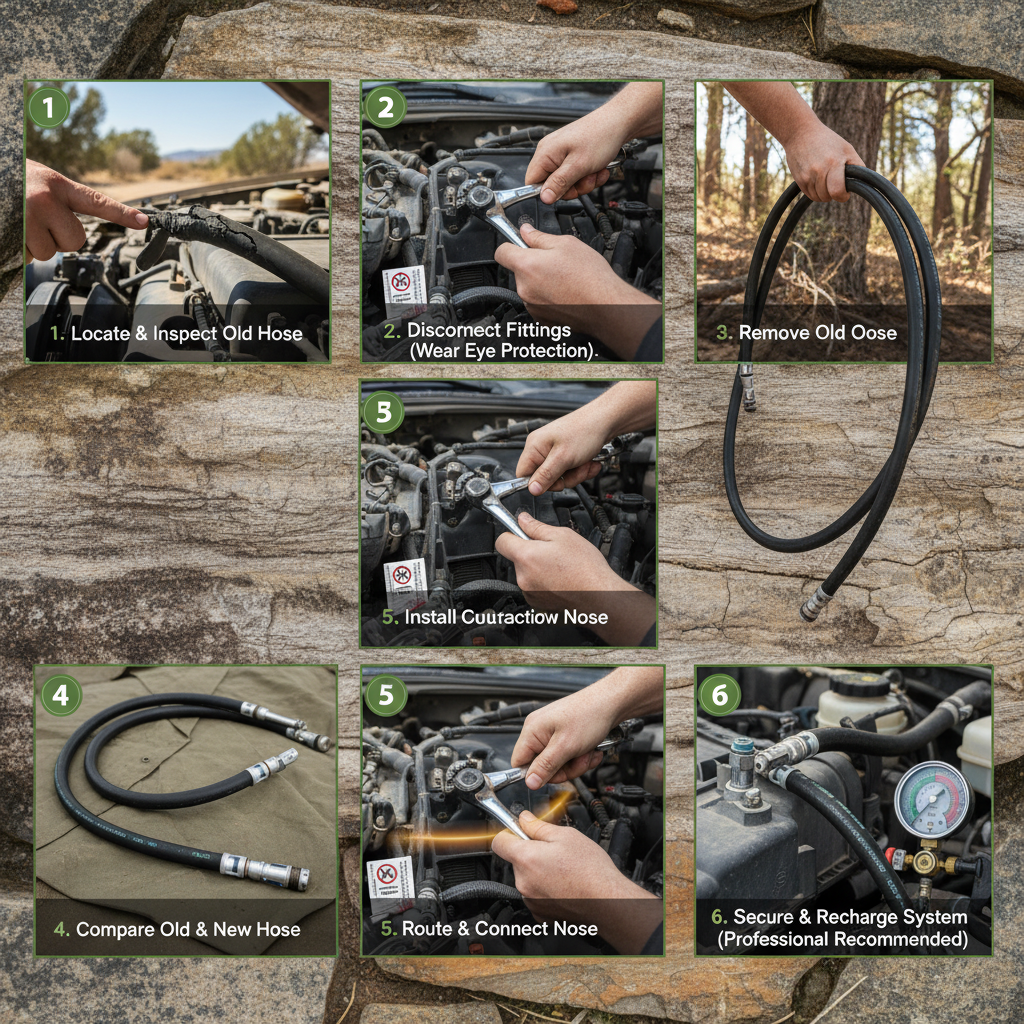
To be honest, the brake hose china market is wild right now. Everyone’s chasing higher pressures, tighter tolerances… it’s like a race to see who can squeeze the most performance out of rubber and steel. You see a lot of ‘new materials’ being hyped, but most of it boils down to tweaking existing compounds. What’s really trending is customization, though. Smaller production runs, specific lengths, different fittings... folks aren’t happy with ‘off the shelf’ anymore.
Have you noticed how many companies get tripped up on the fitting design? It's a classic. They’ll nail the hose itself, but then pair it with a cheap, poorly machined fitting and the whole thing’s compromised. I encountered this at a factory in Ningbo last time – beautiful hose, but the fittings were corroding within a week of testing. It's frustrating, really.
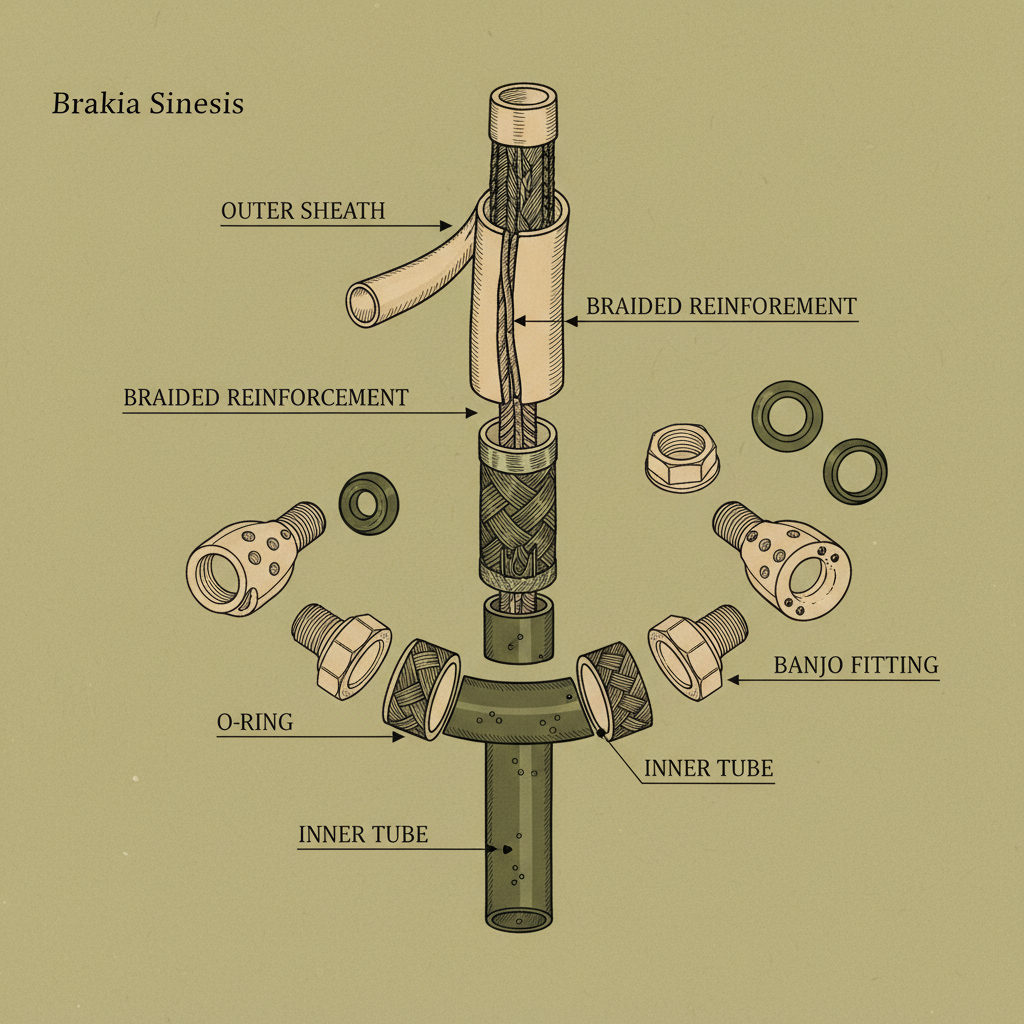
The core of it all, though, remains the same: the rubber compound and the reinforcement braiding. We primarily use a blend of nitrile rubber – it’s got good oil resistance, which is crucial, and holds up well to temperature swings. It's got that slightly acrid smell when you cut it, you know the one. We also play with different ratios of synthetic and natural rubber, depending on the application. Then, the reinforcement. Mostly high-tensile steel wire. It's surprisingly flexible, until you try to bend it back on itself, then it’s a beast. The braiding pattern, that’s key, too. Too loose, and you lose pressure. Too tight, and you risk cracking during flexing.
Industry Trends and Common Pitfalls
Strangely, everyone is focused on ‘smart’ hoses now, with sensors built-in. I’m still not convinced. It adds cost, complexity, and another point of failure. Give me a well-made, reliable hose any day. The biggest pitfall? Ignoring the environment. These hoses aren't just sitting in a garage, they’re getting blasted with salt, mud, oil, and everything in between. You need to design for that.
I also see a lot of companies skimping on the quality control. A burst hose is a dangerous thing, plain and simple. You can’t just rely on automated testing; someone needs to be physically inspecting these things.
Materials and Handling
We work with a lot of different rubbers, obviously. EPDM is good for heat resistance, but it’s not great with oils. Silicone is fantastic for high temps, but it’s expensive and can be tricky to bond to the fittings. The nitrile is our workhorse, though. It's a good all-rounder, relatively cheap, and easy to work with. Handling? Get gloves. Seriously. Some of these compounds can irritate your skin. And don't leave them sitting in direct sunlight – they'll degrade faster than you think.
The steel wire, that’s another story. We source it from a few different suppliers, and the quality varies wildly. You can tell the good stuff by the consistency of the finish. It should be smooth, without any rough spots or inconsistencies. And it shouldn’t smell like rust, obviously.
Anyway, I think the key is understanding the trade-offs. There’s no single ‘perfect’ material. It all depends on the application, the budget, and the expected lifespan.
Testing Procedures: Beyond the Lab
Lab tests are fine, but they don't tell the whole story. You have to test these hoses in real-world conditions. We set up a test rig that simulates the pressure and temperature fluctuations of a typical braking system, and then we run it for hundreds of hours. But that's not enough. We also send hoses out to mechanics and fleet operators for field testing. They put them through the wringer.
That's where you find the real problems. A tiny leak that wouldn’t show up on a lab test, a fitting that loosens after repeated use… the stuff you just can't simulate in a controlled environment.
One thing we started doing recently is freeze-thaw testing. We figured out that some of our hoses were becoming brittle in extremely cold temperatures. So, we started subjecting them to repeated cycles of freezing and thawing to see how they held up. It’s a pain, but it’s worth it.
Real-World Usage and User Behavior
You’d be surprised how people abuse these hoses. Mechanics will sometimes use them as makeshift air lines, or run them over with a forklift. Fleet operators sometimes ignore maintenance schedules and let them deteriorate until they’re on the verge of bursting. It’s frustrating, but you have to design for it.
We’ve also found that some users don't properly bleed the brakes after installing a new hose. That can lead to air bubbles in the system, which can compromise braking performance. It’s not our fault, of course, but we try to include clear instructions and warnings in our packaging.
brake hose china Performance Metrics
Advantages, Disadvantages, and Customization
The advantage of a good brake hose china is simple: reliability. You don’t want to be thinking about your brakes when you’re driving. You just want them to work. The disadvantage? Well, they’re not glamorous. They’re a hidden component, and people don’t appreciate them until they fail.
Customization is where we really shine. Last month, that small boss in Shenzhen who makes smart home devices insisted on changing the interface to … for the brake hose! Said it was “more future-proof”. It was a nightmare to tool up for a tiny order, and honestly, it probably didn't make any difference, but we did it. We can do custom lengths, fittings, colors, even different braiding patterns. It's all about meeting the customer's needs, even if they're a little… unusual.
A Customer Story from Shenzhen
Last month, that small boss in Shenzhen who makes smart home devices – a real character, always dressed in all black – insisted on changing the fitting to a connector. He claimed it would ‘streamline the braking process’ and ‘integrate seamlessly with future automotive tech.’ It was… a choice. We tried to explain the complexities of hydraulic systems, the pressure requirements, the inherent incompatibility of USB-C… he wasn’t having it.
So, we built him a prototype. It looked ridiculous, naturally. We tested it. It worked… barely. The pressure dropped significantly, and the connection felt flimsy. He didn't care. He just wanted to be different. We ended up delivering a small batch, and I haven't heard back from him since. Honestly, I don't want to.
Anyway, I think that story perfectly illustrates the challenges of this business. You're dealing with engineers, mechanics, and occasionally, people who just want a brake hose with a USB-C connector.
Material Specification Overview
This is a rough guide, mind you. Every application is different, and we tailor the specifications accordingly. But it gives you an idea of the range we work with.
We’re constantly tweaking these numbers, trying to find the sweet spot between cost, performance, and durability. It’s a never-ending process.
Later… Forget it, I won’t mention the time we accidentally shipped a batch with the wrong rubber compound.
Key Material Properties
| Material |
Tensile Strength (MPa) |
Temperature Resistance (°C) |
Oil Resistance (Rating 1-10) |
| Nitrile Rubber (NBR) |
20-30 |
-40 to 120 |
8 |
| EPDM Rubber |
15-25 |
-50 to 150 |
5 |
| Silicone Rubber |
10-20 |
-60 to 200 |
6 |
| Steel Wire (Reinforcement) |
1800-2000 |
N/A |
N/A |
| Stainless Steel Wire (Reinforcement) |
2000-2200 |
N/A |
N/A |
| High-Tensile Braiding |
Variable |
Variable |
N/A |
FAQS
That’s a tricky one. It depends on a lot of factors – climate, road conditions, driving style. But generally, we recommend replacing brake hoses every 5-7 years, regardless of mileage. They degrade over time, even if they’re not being used. Rubber just isn’t invincible. It's a good preventative measure to avoid any surprises. We’ve seen hoses fail after only a couple of years in harsh environments, and others last over a decade in milder climates.
Look for cracks, bulges, or any signs of chafing. Pay close attention to the fittings – are they corroded or leaking? Also, check for softening or swelling of the rubber. You can gently squeeze the hose to see if it feels firm and resilient. If it feels mushy or brittle, it’s time to replace it. A good rule of thumb is if you’re even questioning it, just replace it. It’s not worth the risk.
Severe consequences. A burst brake hose can lead to complete brake failure, resulting in an accident. Even a small leak can reduce braking performance, increasing stopping distances. It’s not something to mess with. If you suspect a brake hose is damaged, get it inspected and replaced immediately. It’s a safety issue, plain and simple.
Generally, replacement is always recommended. You shouldn't attempt to repair a damaged brake hose. The structural integrity is compromised, and any repair is likely to fail. It’s just not worth the risk. Plus, many jurisdictions have regulations that prohibit the repair of brake hoses. It’s a safety issue, and you want to be sure your brakes are functioning properly.
Extreme temperatures can significantly affect brake hose performance. High temperatures can cause the rubber to degrade and lose its elasticity, while low temperatures can make it brittle and prone to cracking. That’s why it’s important to choose a hose that’s rated for the temperature range you’ll be operating in. We test our hoses extensively in both hot and cold environments to ensure they can withstand the stresses of real-world driving conditions.
Look for hoses that meet or exceed FMVSS 106 standards (Federal Motor Vehicle Safety Standard 106). This is the minimum safety requirement for brake hoses in the United States. Also, look for certifications from reputable organizations like ISO. These certifications demonstrate that the hose has been tested and meets certain quality and performance standards. Don’t just buy the cheapest hose you can find – you get what you pay for.
Conclusion
Ultimately, brake hose china is a deceptively complex component. It's not glamorous, but it's absolutely critical for safety. Understanding the materials, the manufacturing process, and the potential failure modes is essential for ensuring reliable braking performance. From choosing the right rubber compound to designing robust fittings, every detail matters.
Whether this thing works or not, the worker will know the moment he tightens the screw. And if you need a dependable brake hose, or just someone to talk shop with, come check out www.kemoautohose.com – we're always happy to help.