
Understanding the 5/16 Transmission Hose Applications and Specifications
Mar . 10, 2026 01:55 Back to list
Understanding the 5/16 Transmission Hose Applications and Specifications
Understanding the 5/16” Transmission Hose: Applications and Specifications
The 5/16” transmission hose is a critical component in various industrial and automotive applications. This hose is designed to reliably transmit fluids, gases, and other materials under pressure. Its versatility, durability, and specific dimensions make it a popular choice for professionals. Understanding the key features, materials, and applications of this hose is essential for ensuring optimal performance and safety in your operations. We at Kemo Hose specialize in providing high-quality transmission hoses tailored to your specific needs.

What Exactly is a 5/16” Transmission Hose?
A 5/16” transmission hose refers to a hose with an inner diameter (ID) of 5/16 of an inch. This measurement is crucial as it dictates the flow rate and compatibility with various fittings and connections. These hoses are commonly manufactured using materials like rubber, PVC, or polyurethane, each offering specific benefits depending on the application. They are typically reinforced with braiding or spiraling to withstand high pressures and prevent bursting. Choosing the right hose material is paramount, considering the type of fluid being transmitted, operating temperature, and potential exposure to chemicals.
Key Applications of the 5/16” Transmission Hose
The 5/16” transmission hose is incredibly versatile, finding applications in numerous industries. Some common uses include: Automotive fuel lines, pneumatic tools, air compressors, small engine applications, hydraulic systems, and coolant transfer. Its compact size makes it ideal for tight spaces where larger hoses would be impractical. Because of its prevalence in automotive systems, it is essential for mechanics, repair shops, and vehicle manufacturers to have a reliable supply of high-quality 5/16” transmission hose.
Key Highlights: The 5/16" transmission hose offers a balance between flexibility and durability, making it suitable for various demanding applications. Its compatibility with common fittings simplifies installation and maintenance.
5/16” Transmission Hose Materials: A Comparative Analysis
Selecting the appropriate material for your 5/16” transmission hose is vital for optimal performance and longevity. Common materials include rubber, PVC, and polyurethane. Each possesses distinct properties in terms of temperature resistance, chemical compatibility, and pressure rating. Here's a comparative overview:
Selecting the Right 5/16” Transmission Hose from Kemo Hose
At Kemo Hose, we offer a comprehensive selection of 5/16” transmission hoses engineered for durability and reliability. We understand that each application has unique requirements, and we provide hoses made from various materials to meet those needs. Our team of experts is available to help you choose the perfect hose for your specific application, considering factors such as fluid type, pressure requirements, and operating temperature. We pride ourselves on delivering high-quality products and exceptional customer service.
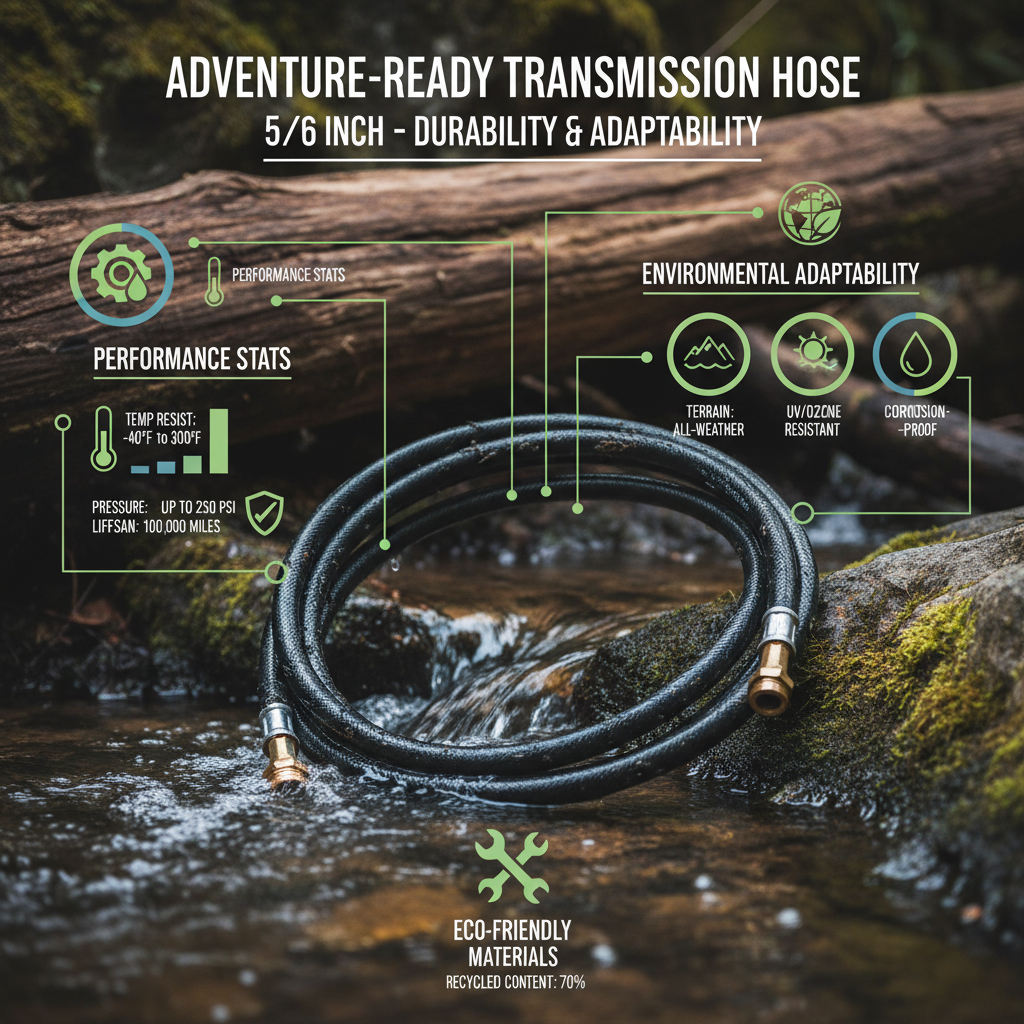
Ensuring Longevity: Proper Handling and Maintenance
To maximize the lifespan and performance of your 5/16” transmission hose, proper handling and maintenance are crucial. Avoid kinking the hose, as this can damage the internal structure and restrict flow. Inspect the hose regularly for signs of wear and tear, such as cracks, abrasions, or swelling. Replace the hose immediately if any damage is detected. Store the hose in a cool, dry place away from direct sunlight and harsh chemicals. Following these simple guidelines will help ensure your hose provides reliable service for years to come.
Conclusion: Kemo Hose – Your Trusted Partner for Transmission Hose Solutions
Choosing the right 5/16” transmission hose is a critical decision for ensuring the efficiency and safety of your operations. At Kemo Hose, we provide a diverse range of high-quality hoses and expert support to meet your specific needs. Contact us today to learn more about our products and services.
Frequently Asked Questions (FAQs)
What pressure rating should I look for in a 5/16” transmission hose?
The appropriate pressure rating depends entirely on the application. Determine the maximum pressure the hose will be subjected to during operation and choose a hose with a rating that exceeds this value by a safe margin. Consulting the equipment manufacturer's specifications is a good starting point. If you are unsure, our team at Kemo Hose can help you determine the correct pressure rating based on your specific requirements. Underrating a hose can lead to failure and potential hazards.
Can a 5/16” transmission hose be used for gasoline?
Yes, but it's crucial to select a hose specifically designed for gasoline or fuel transfer. Standard hoses may not be compatible with gasoline and can degrade over time, leading to leaks and potential fire hazards. Look for hoses specifically labeled as "fuel resistant" or "gasoline compatible." These hoses are made from materials like nitrile rubber or specialized polymers that can withstand the corrosive effects of gasoline. Kemo Hose offers a range of gasoline-compatible 5/16" transmission hoses.
How do I determine the correct length of 5/16” transmission hose I need?
Measure the distance between the connection points accurately. It’s always a good idea to add a few extra inches to allow for flexibility and maneuverability. Avoid stretching the hose tightly, as this can put stress on the connections and reduce its lifespan. Consider any bends or curves in the routing path and ensure the hose can accommodate them without kinking. If you are unsure, it’s better to err on the side of having slightly more hose than needed.
What is the difference between a braided and unbraided 5/16" transmission hose?
Braided hoses have an outer layer of braided reinforcement (typically steel or synthetic fibers) that significantly increases their pressure rating and resistance to bursting. Unbraided hoses are suitable for lower-pressure applications. Braided hoses are more durable and less prone to expansion under pressure, making them ideal for demanding industrial and automotive uses. If your application involves high pressure or harsh conditions, a braided hose is highly recommended.
Latest news
-
Transmission Oil Cooler Pipe Maintenance and Selection Guide
NewsApr.16,2026
-
Ultimate Guide to Choosing Transmission Oil Cooler Line Hose
NewsApr.09,2026
-
Essential Guide to Transmission Oil Cooler Hose 5/16 for Vehicle Longevity
NewsApr.07,2026
-
Understanding the Critical Role of Transmission Oil Cooler Hose 1 2 for Vehicle Longevity
NewsApr.04,2026
-
Understanding Transmission Oil Coolant Lines For Optimal Vehicle Performance
NewsMar.31,2026
-
Comprehensive Guide to Oil Coolant Pipe Selection and Industrial Applications
NewsMar.28,2026