
Comprehensive Guide to the 5/16 Transmission Oil Cooler Hose and Its Importance
Mar . 11, 2026 02:05 Back to list
Comprehensive Guide to the 5/16 Transmission Oil Cooler Hose and Its Importance
Understanding the 5/16" Transmission Oil Cooler Hose: A Comprehensive Guide
The 5/16" transmission oil cooler hose is a critical component in maintaining the optimal operating temperature of automatic transmissions in a variety of vehicles. Ensuring its proper function is paramount for extending transmission life and preventing costly repairs. This article will delve into the specifics of this hose, covering its function, common issues, materials, proper installation, and where to find high-quality replacements at Kemohose. We will also explore factors influencing its longevity and offer preventative maintenance tips.
The Role of the 5/16" Transmission Oil Cooler Hose
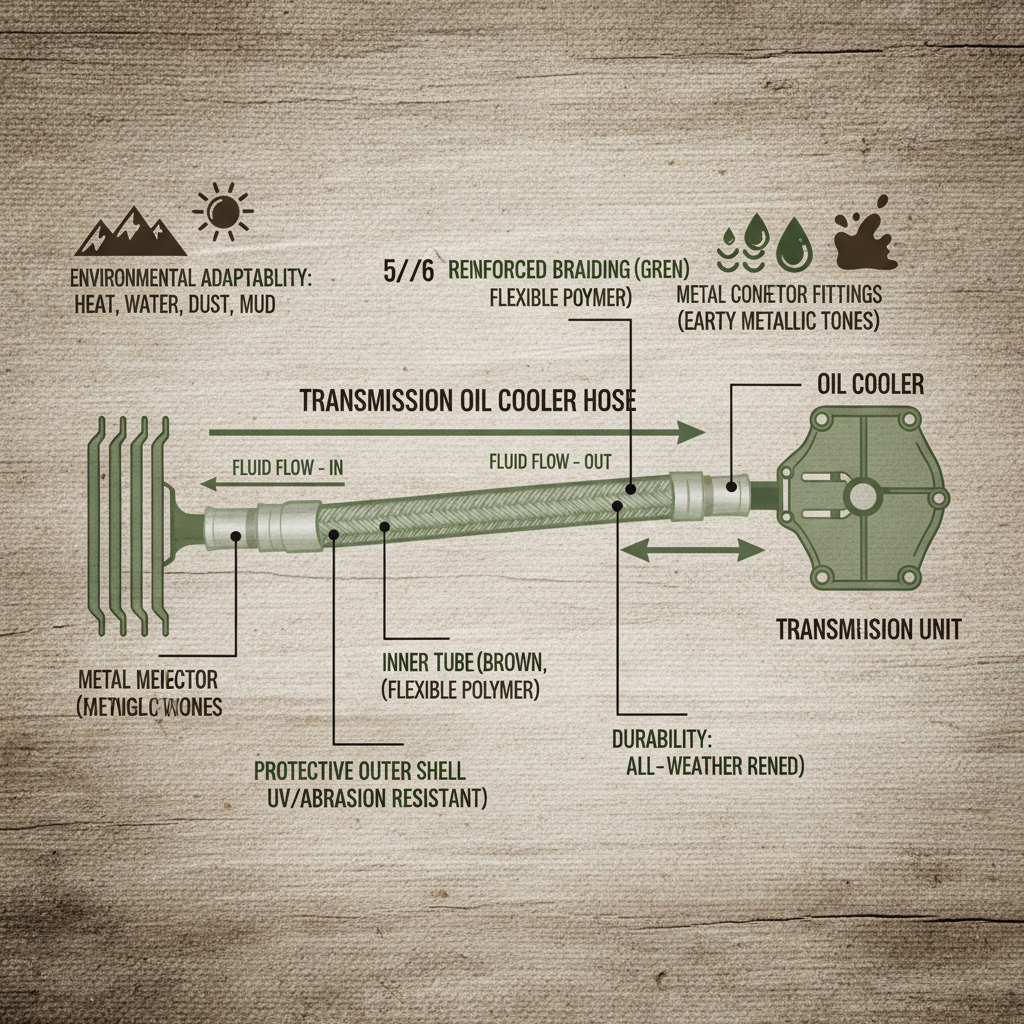
The primary function of the 5/16" transmission oil cooler hose is to circulate transmission fluid to the oil cooler, which is typically located near the radiator. This process helps dissipate heat generated by the transmission, preventing overheating and ensuring efficient operation. Overheating can lead to fluid breakdown, internal component damage, and ultimately, transmission failure. The 5/16" designation refers to the inner diameter of the hose, a standard size for many vehicle applications. A properly functioning hose maintains consistent fluid flow, contributing to the overall health and longevity of the transmission.
Common Issues and Failure Points
Several factors can contribute to the failure of a 5/16" transmission oil cooler hose. These include age, heat exposure, exposure to transmission fluid chemicals, and physical abrasion. Common issues include cracking, swelling, leaks, and complete hose rupture. Cracking often occurs due to prolonged exposure to heat and UV radiation. Swelling can result from prolonged contact with certain types of transmission fluid. Leaks, even small ones, can lead to a loss of fluid pressure and overheating. Regularly inspecting the hose for these signs of wear is crucial for preventative maintenance.
Key Warning Signs: Look for cracks, swelling, leaks around the connections, or a general deterioration of the hose material. Address any issues promptly to prevent further damage.
Materials Used in 5/16" Transmission Oil Cooler Hoses
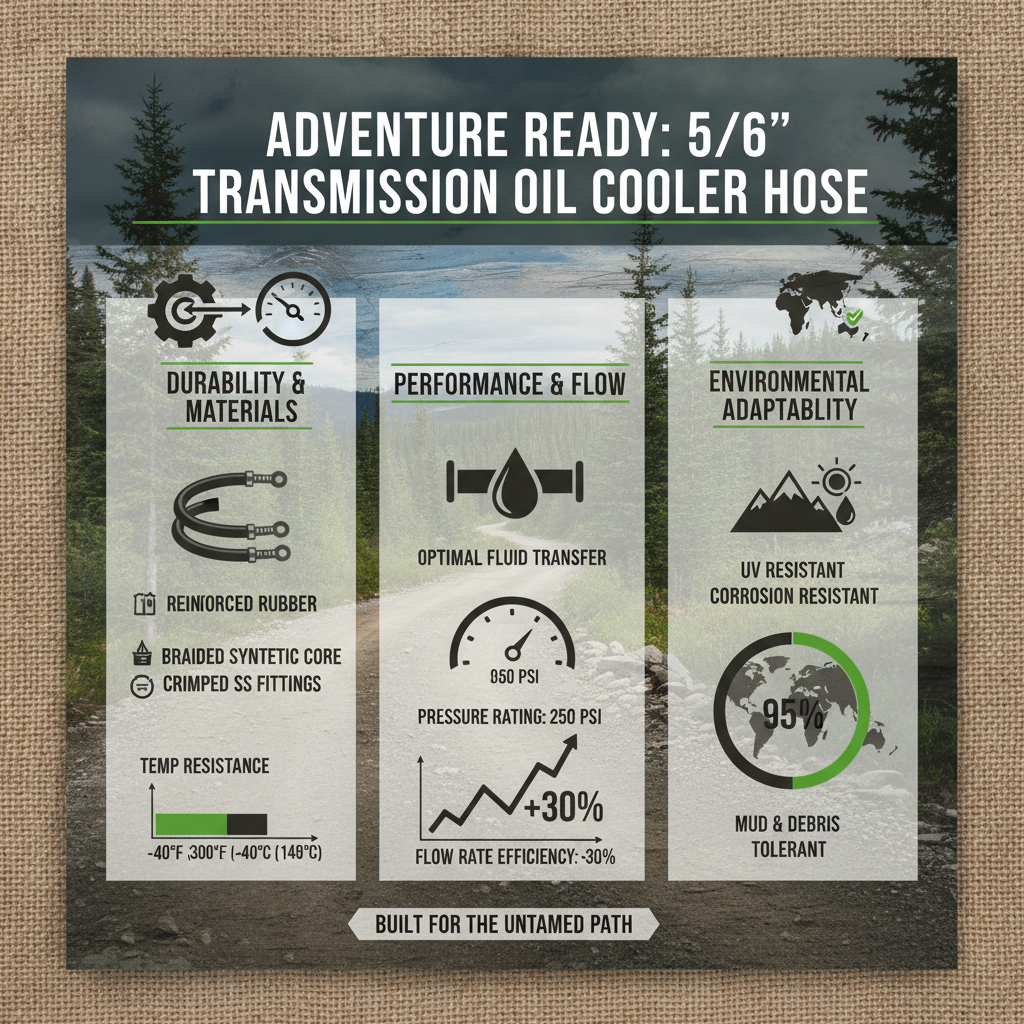
Transmission oil cooler hoses are commonly constructed from several materials, each with its own advantages and disadvantages. Common materials include nitrile rubber, reinforced rubber, and fluoropolymer (such as Viton). Nitrile rubber provides good resistance to petroleum-based fluids but may not withstand extreme temperatures as effectively. Reinforced rubber hoses incorporate fabric or wire braiding for increased strength and burst resistance. Fluoropolymers offer superior resistance to heat, chemicals, and abrasion but are typically more expensive. Kemohose specializes in hoses constructed from high-quality materials designed for long-lasting performance.
Material Comparison:
• Nitrile Rubber: Good fluid resistance, cost-effective.
• Reinforced Rubber: Enhanced strength and burst resistance.
• Fluoropolymer (Viton): Superior heat and chemical resistance.
5/16" Transmission Oil Cooler Hose: Specifications & Alternatives
While 5/16" is a common size, variations exist. It’s crucial to verify the correct size for your specific vehicle model. The hose length also varies depending on the vehicle's transmission cooler location. Here’s a comparison of common hose types:
Proper Installation & Preventative Maintenance
Correct installation is essential for ensuring the hose functions properly. Ensure the hose is securely clamped at both ends, avoiding over-tightening, which can damage the hose. Regularly inspect the hose and connections for leaks or signs of wear. Flush the transmission fluid according to the manufacturer’s recommendations to prevent contamination. Avoid exposing the hose to excessive heat or harsh chemicals. At Kemohose, we provide not only high-quality hoses but also expert advice on proper installation and maintenance.
Conclusion: Protecting Your Transmission
Investing in a high-quality 5/16" transmission oil cooler hose from a reputable supplier like Kemohose is a proactive step towards maintaining the health and longevity of your vehicle's transmission. Regular inspection and preventative maintenance will help avoid costly repairs and ensure smooth, reliable performance. Don’t wait for a failure – prioritize transmission health today.
Frequently Asked Questions (FAQs)
How often should I replace my transmission oil cooler hose?
Generally, it’s recommended to replace your transmission oil cooler hose every 30,000 to 60,000 miles, or every 2-3 years, whichever comes first. However, this can vary depending on driving conditions and the quality of the hose. If you notice any signs of wear or leaks, replace it immediately. A preventative replacement is always better than dealing with a transmission failure. Consider inspecting it annually as part of your routine maintenance schedule.
Can I use a universal transmission oil cooler hose?
While universal hoses are available, it's generally best to use a hose specifically designed for your vehicle model. Universal hoses may not fit properly or be compatible with the transmission fluid used in your vehicle. This can lead to leaks or premature hose failure. Kemohose offers hoses specifically designed for a wide range of vehicles, ensuring a perfect fit and optimal performance.
What type of transmission fluid is compatible with these hoses?
Most 5/16" transmission oil cooler hoses are compatible with standard Dexron/Mercon transmission fluid. However, some newer vehicles may require specific synthetic fluids. Always check your vehicle's owner's manual for the recommended transmission fluid type. Using the incorrect fluid can damage the hose and the transmission. The hoses available at Kemohose are designed to withstand a broad range of commonly used transmission fluids.
How do I know if my transmission is overheating?
Signs of a potentially overheating transmission include slipping gears, delayed engagement, rough shifting, and a burning smell. If you experience any of these symptoms, check your transmission fluid level and inspect the oil cooler hose for leaks. Ignoring these signs can lead to severe transmission damage. Prompt attention and repair are crucial.
Latest news
-
Transmission Oil Cooler Pipe Maintenance and Selection Guide
NewsApr.16,2026
-
Ultimate Guide to Choosing Transmission Oil Cooler Line Hose
NewsApr.09,2026
-
Essential Guide to Transmission Oil Cooler Hose 5/16 for Vehicle Longevity
NewsApr.07,2026
-
Understanding the Critical Role of Transmission Oil Cooler Hose 1 2 for Vehicle Longevity
NewsApr.04,2026
-
Understanding Transmission Oil Coolant Lines For Optimal Vehicle Performance
NewsMar.31,2026
-
Comprehensive Guide to Oil Coolant Pipe Selection and Industrial Applications
NewsMar.28,2026