
Comprehensive Guide to Petrol Hose Selection Types and Safe Usage
Feb . 24, 2026 10:52 Back to list
Comprehensive Guide to Petrol Hose Selection Types and Safe Usage
Understanding Petrol Hose: A Comprehensive Guide
When dealing with the transfer of fuel and other liquids, the right hose is paramount. A petrol hose, specifically designed for these applications, ensures safe and efficient operation. This article will provide an in-depth look at petrol hoses – their types, applications, materials, and key considerations for selecting the right hose for your needs. Choosing the correct hose is vital for preventing leaks, ensuring compatibility with the fuel being transferred, and maintaining overall safety standards. Kemohose offers a wide range of high-quality petrol hoses to meet diverse requirements.
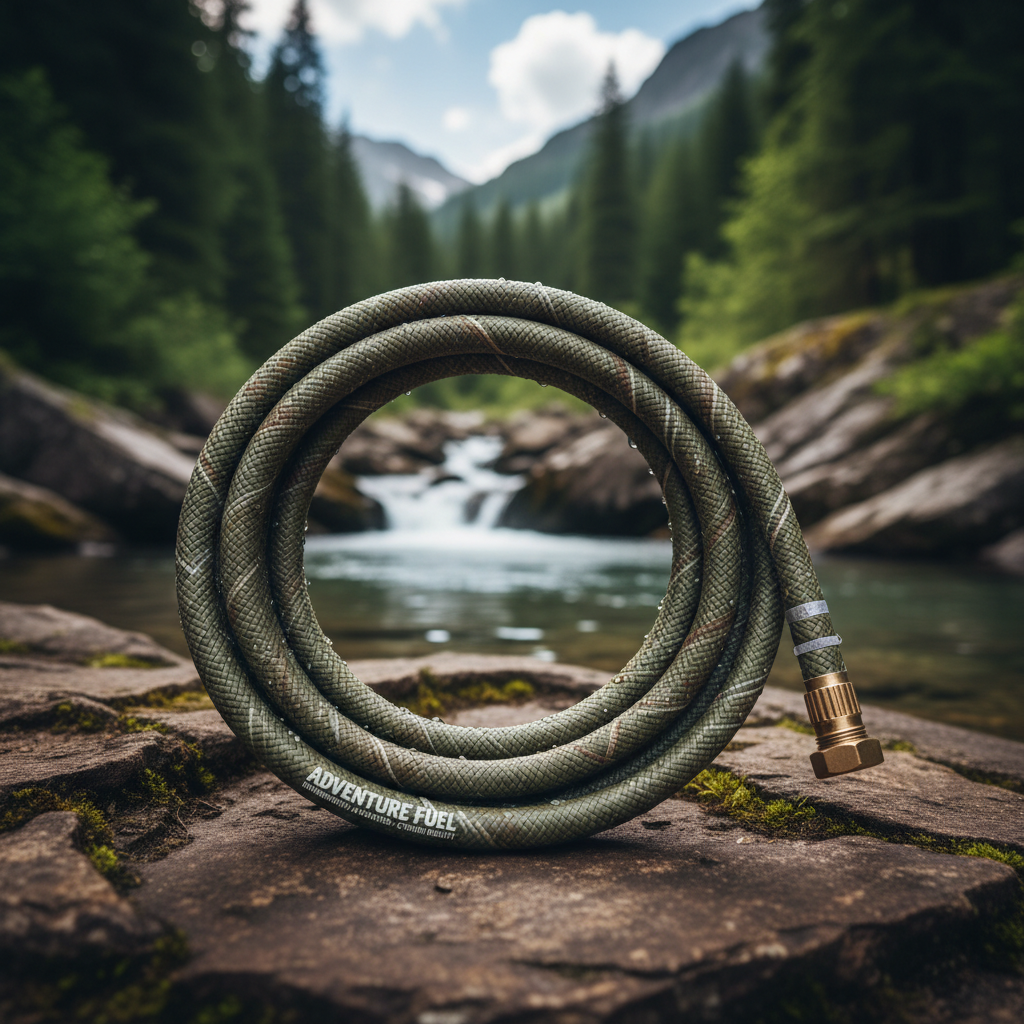
Types of Petrol Hoses
Petrol hoses aren’t one-size-fits-all. Several types cater to specific applications and fuel types. Common variations include:
- Rubber Petrol Hose: Often reinforced with textile braiding for added strength and flexibility.
- PVC Petrol Hose: Lightweight and cost-effective, suitable for lower-pressure applications.
- Composite Petrol Hose: Combining multiple layers of materials for enhanced chemical resistance and durability.
- Wire-Braided Petrol Hose: Offers exceptional strength and is ideal for high-pressure fuel transfer.
The optimal choice hinges on the fuel type, operating pressure, temperature, and environmental conditions. Kemohose provides detailed specifications and expert advice to help you select the perfect petrol hose for your specific needs.
Key Takeaway: Choosing the correct type of petrol hose is essential for safe and efficient fuel transfer. Consider the fuel type, pressure, temperature, and environmental factors when making your selection.
Materials Used in Petrol Hose Construction
The materials used in petrol hose construction directly impact its performance and longevity. Common materials include:
- Rubber (NBR, EPDM): Offers excellent resistance to fuel, oil, and abrasion.
- PVC (Polyvinyl Chloride): Provides good chemical resistance and is a cost-effective option.
- PTFE (Polytetrafluoroethylene): Known for its exceptional chemical resistance and high-temperature performance.
- Textile Braiding (Polyester, Nylon): Provides reinforcement and increases burst pressure.
- Steel Wire Braiding: Offers maximum strength and durability for high-pressure applications.
The selection of materials is crucial for ensuring compatibility with the fuel being transferred and preventing degradation over time. Kemohose prioritizes using high-quality materials to ensure the reliability and longevity of its petrol hoses.
Material Selection Considerations:
• Fuel Compatibility: Ensure the material is resistant to the specific fuel.
• Temperature Range: The material should withstand the expected operating temperatures.
• Pressure Requirements: Select a material that can handle the maximum operating pressure.
Petrol Hose Selection: Key Considerations
Selecting the right petrol hose requires careful consideration of several factors:
- Fuel Type: Gasoline, diesel, aviation fuel – each requires a hose with specific chemical compatibility.
- Operating Pressure: Choose a hose with a working pressure rating exceeding the maximum pressure in your system.
- Temperature Range: Ensure the hose can withstand the extreme temperatures it will be exposed to.
- Hose Diameter: Select the appropriate diameter for the required flow rate.
- Length: Choose a length that allows for adequate reach without excessive coiling or kinking.
Ignoring these factors can lead to hose failure, leaks, and potentially hazardous situations. Kemohose offers a comprehensive range of petrol hoses designed to meet these diverse needs.
Applications of Petrol Hoses
Petrol hoses are integral to numerous industries and applications, including:
- Fueling Stations: Delivering gasoline and diesel to vehicles.
- Bulk Fuel Storage: Transferring fuel between tanks and vehicles.
- Refueling Trucks: Supplying fuel to remote locations.
- Aviation: Transferring aviation fuel to aircraft.
- Racing Industry: Providing high-flow fuel delivery for racing vehicles.
Each application demands a hose specifically engineered for its unique requirements. Kemohose offers specialized petrol hoses for all these applications and more.
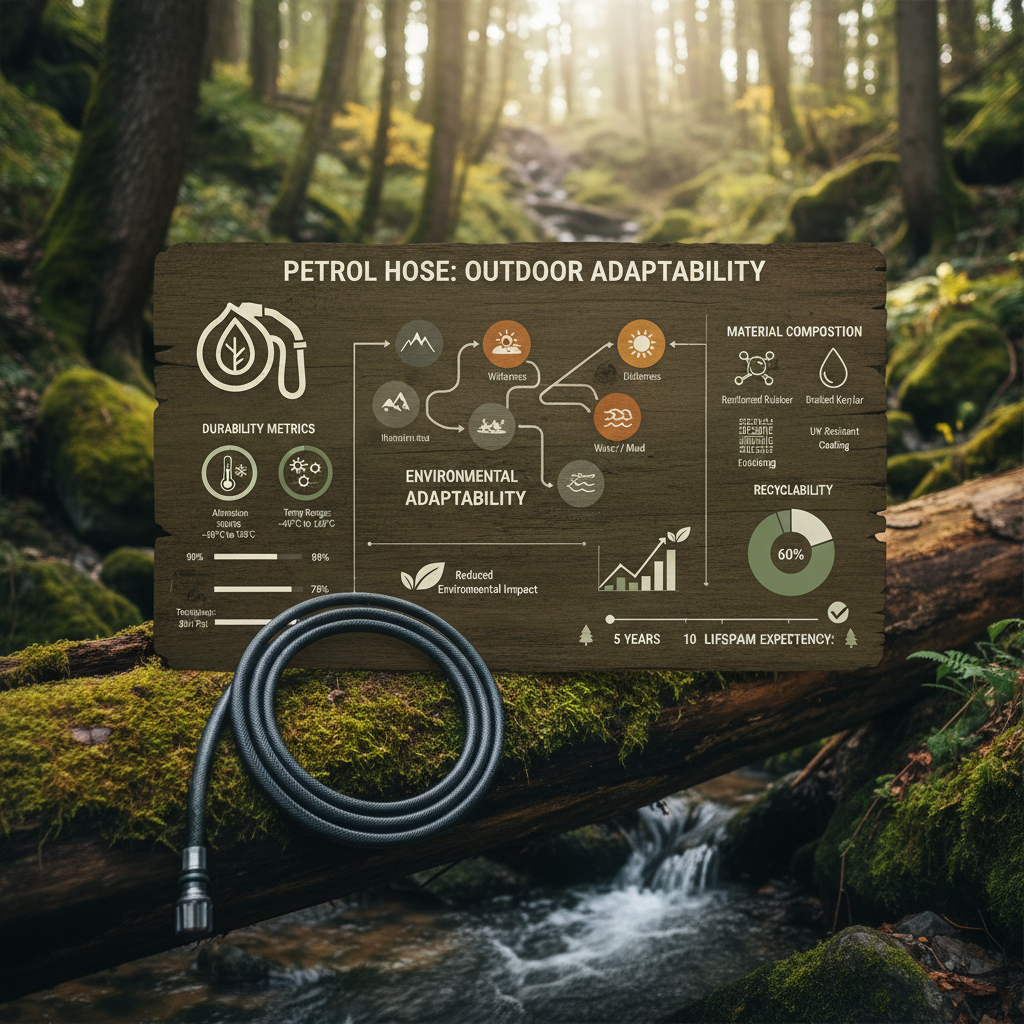
Maintaining and Inspecting Your Petrol Hose
Regular maintenance and inspection are crucial for ensuring the safe and reliable operation of petrol hoses. Key practices include:
- Visual Inspection: Check for cracks, abrasions, kinks, or swelling.
- Pressure Testing: Periodically test the hose for leaks at its maximum working pressure.
- Proper Storage: Store hoses in a cool, dry, and dark location away from direct sunlight and chemicals.
- Avoid Kinking: Prevent sharp bends or kinks that can damage the hose.
Following these guidelines will prolong the life of your petrol hose and minimize the risk of accidents. Kemohose provides expert advice on hose maintenance and safety.
Conclusion: Choosing the Right Petrol Hose for Safety and Efficiency
Selecting the correct petrol hose is not merely a matter of convenience, but a critical safety concern. Factors like fuel type, pressure, temperature, and application all play a vital role in ensuring optimal performance and preventing hazardous situations. Kemohose is dedicated to providing high-quality, reliable petrol hoses and expert support to meet your specific needs. Prioritize safety and efficiency – choose Kemohose.
Frequently Asked Questions (FAQs)
What is the maximum lifespan of a petrol hose?
The lifespan of a petrol hose varies depending on usage conditions and quality. However, a general guideline is to replace hoses every 3-5 years, even if they appear visually sound. Factors like exposure to UV radiation, extreme temperatures, and abrasion can accelerate degradation. Regular inspections are crucial to identify any signs of wear and tear. Kemohose recommends following manufacturer guidelines and implementing a routine replacement schedule to ensure safety.
How do I determine the correct hose diameter for my application?
The correct hose diameter depends on the flow rate and pressure requirements of your system. A smaller diameter will restrict flow, while a larger diameter may be unnecessary and potentially create turbulence. Consult flow rate charts and pressure drop calculations to determine the optimal diameter. You can also contact Kemohose’s technical experts for assistance in selecting the appropriate size for your specific application.
What safety precautions should I take when handling petrol hoses?
Always ground the hose during fuel transfer to prevent static electricity buildup. Avoid kinking or crushing the hose. Never exceed the maximum working pressure. Ensure the hose is properly connected and free of leaks before starting fuel transfer. Wear appropriate personal protective equipment (PPE), such as gloves and safety glasses. And always adhere to local safety regulations and guidelines. Kemohose provides detailed safety instructions with all its products.
Are Kemohose petrol hoses compliant with industry standards?
Yes, Kemohose petrol hoses are manufactured to meet or exceed relevant industry standards, including those set by regulatory bodies. We prioritize safety and quality and ensure our hoses undergo rigorous testing and certification to guarantee their performance and reliability. Documentation regarding compliance is readily available upon request.
Latest news
-
Transmission Oil Cooler Pipe Maintenance and Selection Guide
NewsApr.16,2026
-
Ultimate Guide to Choosing Transmission Oil Cooler Line Hose
NewsApr.09,2026
-
Essential Guide to Transmission Oil Cooler Hose 5/16 for Vehicle Longevity
NewsApr.07,2026
-
Understanding the Critical Role of Transmission Oil Cooler Hose 1 2 for Vehicle Longevity
NewsApr.04,2026
-
Understanding Transmission Oil Coolant Lines For Optimal Vehicle Performance
NewsMar.31,2026
-
Comprehensive Guide to Oil Coolant Pipe Selection and Industrial Applications
NewsMar.28,2026