
Comprehensive Guide to Selecting the Optimal Petrol Hose Pipe for Safe Fuel Transfer
Feb . 25, 2026 02:05 Back to list
Comprehensive Guide to Selecting the Optimal Petrol Hose Pipe for Safe Fuel Transfer
Choosing the Right Petrol Hose Pipe: A Comprehensive Guide
Selecting the appropriate petrol hose pipe is crucial for safe and efficient fuel transfer. A substandard hose can lead to leaks, spills, and even fire hazards. This article will delve into the key considerations when choosing a petrol hose, covering materials, specifications, applications, and safety standards. We'll provide a detailed overview to help you make an informed decision. Understanding the specific requirements of your application is paramount – from fuel type to operating pressure and environmental conditions.
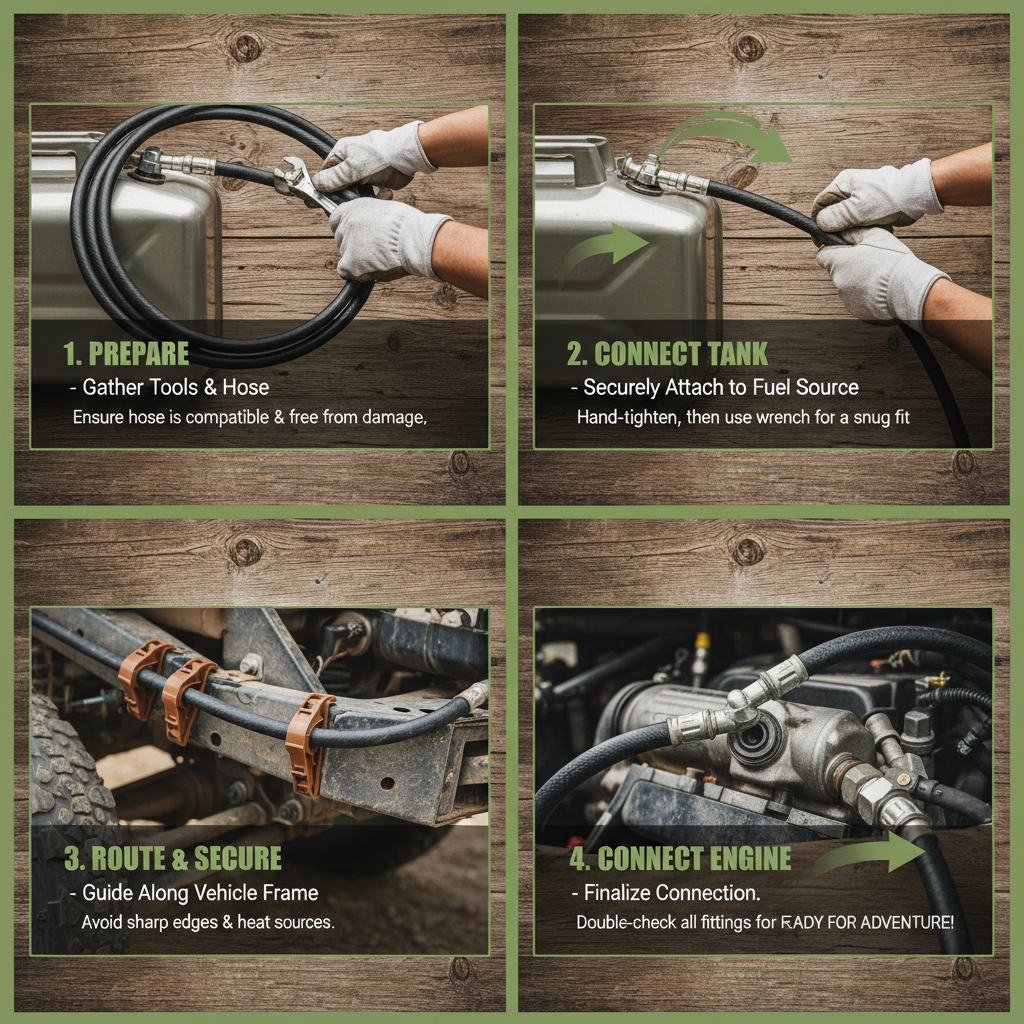
Understanding Petrol Hose Pipe Materials
Petrol hose pipes are constructed from various materials, each offering different strengths and weaknesses. Common materials include synthetic rubber (such as NBR – Nitrile Butadiene Rubber), PVC (Polyvinyl Chloride), and composite constructions. NBR provides excellent resistance to petroleum-based fuels, making it a popular choice for many applications. PVC is often used for lower-pressure applications due to its cost-effectiveness, however, it is less resistant to fuels. Composite hoses combine different materials to achieve specific performance characteristics. Selecting the right material depends heavily on the type of fuel being transferred, the expected operating temperature, and the required level of chemical resistance. It is vital to choose a hose specifically designed for petroleum products to avoid degradation and potential leaks.
Key Takeaway: NBR offers superior fuel resistance, while PVC is more cost-effective for lower-pressure applications. Composite hoses deliver tailored performance.
Key Specifications to Consider for Petrol Hose Pipes
When selecting a petrol hose pipe, several key specifications must be considered. These include the working pressure (the maximum pressure the hose can safely handle), burst pressure (the pressure at which the hose will rupture), temperature range (the operating temperature limits), and diameter (the internal diameter of the hose). The hose length should also be appropriate for the intended application, avoiding excessive bends or strain. Furthermore, ensure the hose is compatible with the fittings being used to prevent leaks or failures. Failing to consider these specifications can lead to dangerous situations and costly repairs.
Essential Specifications:
• Working Pressure: The maximum safe operating pressure.
• Burst Pressure: The pressure at which the hose fails.
• Temperature Range: The safe operating temperature limits.
• Diameter: The internal diameter of the hose.
Comparing Petrol Hose Pipe Types
Different types of petrol hose pipes are available, each suited for specific applications. Static wire hoses are designed for grounding to prevent static buildup during fuel transfer. Non-static hoses are suitable for applications where static electricity is not a significant concern. Suction hoses are specifically designed to withstand vacuum pressure during fuel withdrawal, while delivery hoses are built for pressurized fuel delivery. Choosing the correct type based on the application is critical for safety and performance. A detailed understanding of these distinctions will help ensure the right hose is selected for the job.
Applications of Petrol Hose Pipes Across Industries
Petrol hose pipes are indispensable in numerous industries. Fuel stations rely on them for dispensing gasoline and diesel. Agriculture utilizes them for refueling farm equipment. Mining operations require robust hoses for transferring fuel to machinery. The automotive industry utilizes them in workshops and garages for fuel system maintenance. The selection criteria will vary depending on the specific application – for instance, a fuel station hose will need to withstand constant use and exposure to the elements, while a mining hose may require exceptional abrasion resistance.
Safety Standards and Regulations for Petrol Hose Pipes
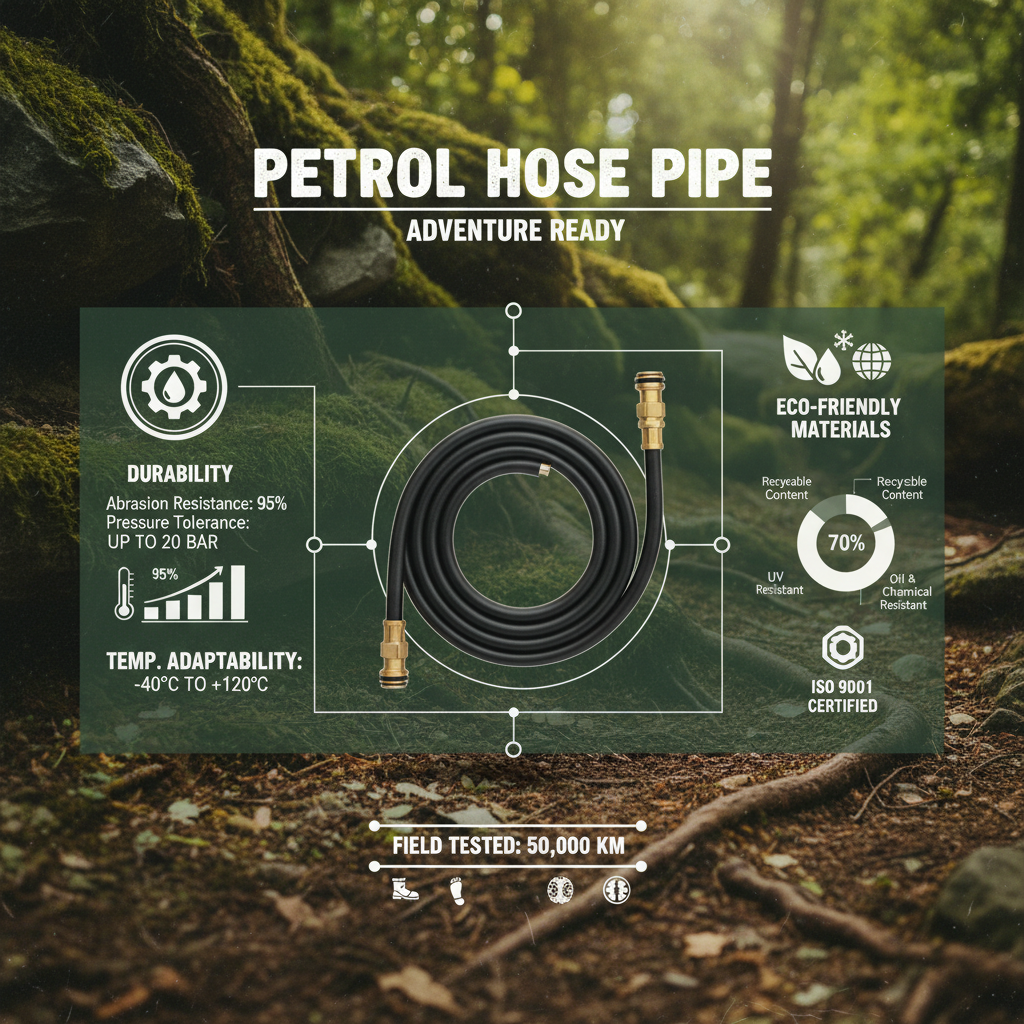
Petrol hose pipes must comply with relevant safety standards to ensure safe operation. These standards, like EN 12115 and other regional regulations, dictate requirements for materials, construction, testing, and labeling. Compliance guarantees the hose can withstand the intended pressures and temperatures without failure, minimizing the risk of leaks or spills. Always verify that the hose you select is certified to meet the applicable standards for your region and application. Using non-compliant hoses can result in fines, liability issues, and, most importantly, put lives at risk. Kemohose provides hoses adhering to stringent international standards.
Conclusion: Choosing the Right Petrol Hose for Safety and Efficiency
Selecting the right petrol hose pipe is paramount for safe and efficient fuel handling. Consider the fuel type, operating pressure, temperature range, and applicable safety standards. By investing in a high-quality hose that meets your specific needs, you can minimize risks and ensure reliable performance. Don't compromise on safety—choose wisely and prioritize quality.
Frequently Asked Questions (FAQs)
What is the expected lifespan of a petrol hose pipe?
The lifespan of a petrol hose pipe depends on factors like usage frequency, exposure to UV radiation, and the type of fuel it carries. Generally, hoses should be inspected annually and replaced every 3-5 years, even if they show no visible signs of wear. More frequent replacement may be necessary in harsh environments or with heavy use. Regular inspection for cracks, abrasions, and swelling is crucial. Proper storage—away from direct sunlight and extreme temperatures—can extend the hose's lifespan. Always adhere to manufacturer recommendations.
What safety precautions should be taken when handling petrol hose pipes?
When handling petrol hose pipes, always ensure the fuel source is turned off and the hose is depressurized before disconnecting fittings. Avoid bending or kinking the hose, as this can damage the internal structure. Inspect the hose for leaks or damage before each use. Never expose the hose to extreme temperatures or harsh chemicals not compatible with the hose material. Wear appropriate personal protective equipment (PPE), such as gloves and safety glasses, to prevent skin contact with fuel. Ground the hose properly during fuel transfer to prevent static electricity buildup.
How do I determine the correct hose diameter for my application?
The correct hose diameter depends on the flow rate and pressure requirements of your application. A larger diameter hose allows for a higher flow rate but may require a more powerful pump. A smaller diameter hose may restrict flow but can be suitable for lower-pressure applications. Consult flow rate charts and pump specifications to determine the appropriate hose diameter. It's crucial to match the hose diameter to the pump's output and the requirements of the fuel delivery system. Using an incorrect diameter can lead to inefficient fuel transfer or damage to the pump.
What are the benefits of using a reinforced petrol hose pipe?
Reinforced petrol hose pipes, typically incorporating a textile or wire braid, offer increased strength, durability, and resistance to kinking. They are ideal for applications where the hose is subjected to high pressure, abrasion, or frequent bending. The reinforcement prevents the hose from collapsing under vacuum pressure and protects against damage from external forces. While more expensive than non-reinforced hoses, reinforced hoses provide a longer lifespan and enhanced safety, making them a worthwhile investment in demanding environments.
Latest news
-
Transmission Oil Cooler Pipe Maintenance and Selection Guide
NewsApr.16,2026
-
Ultimate Guide to Choosing Transmission Oil Cooler Line Hose
NewsApr.09,2026
-
Essential Guide to Transmission Oil Cooler Hose 5/16 for Vehicle Longevity
NewsApr.07,2026
-
Understanding the Critical Role of Transmission Oil Cooler Hose 1 2 for Vehicle Longevity
NewsApr.04,2026
-
Understanding Transmission Oil Coolant Lines For Optimal Vehicle Performance
NewsMar.31,2026
-
Comprehensive Guide to Oil Coolant Pipe Selection and Industrial Applications
NewsMar.28,2026