
Choosing the Right Rubber Hose for Fuel Line for Optimal System Performance
Jan . 28, 2026 11:00 Back to list
Choosing the Right Rubber Hose for Fuel Line for Optimal System Performance
Choosing the Right Rubber Hose for Fuel Line: A Comprehensive Guide
Selecting the appropriate rubber hose for fuel line is crucial for the safe and efficient operation of various systems, from automotive to industrial machinery. A compromised fuel line can lead to leaks, reduced performance, and potentially hazardous situations. This article will delve into the key considerations when choosing a fuel hose, covering materials, specifications, applications, and factors to ensure compatibility and longevity. We’ll explore the importance of proper selection and offer insights into finding the perfect hose for your needs at Kemohose.
Understanding Fuel Hose Materials
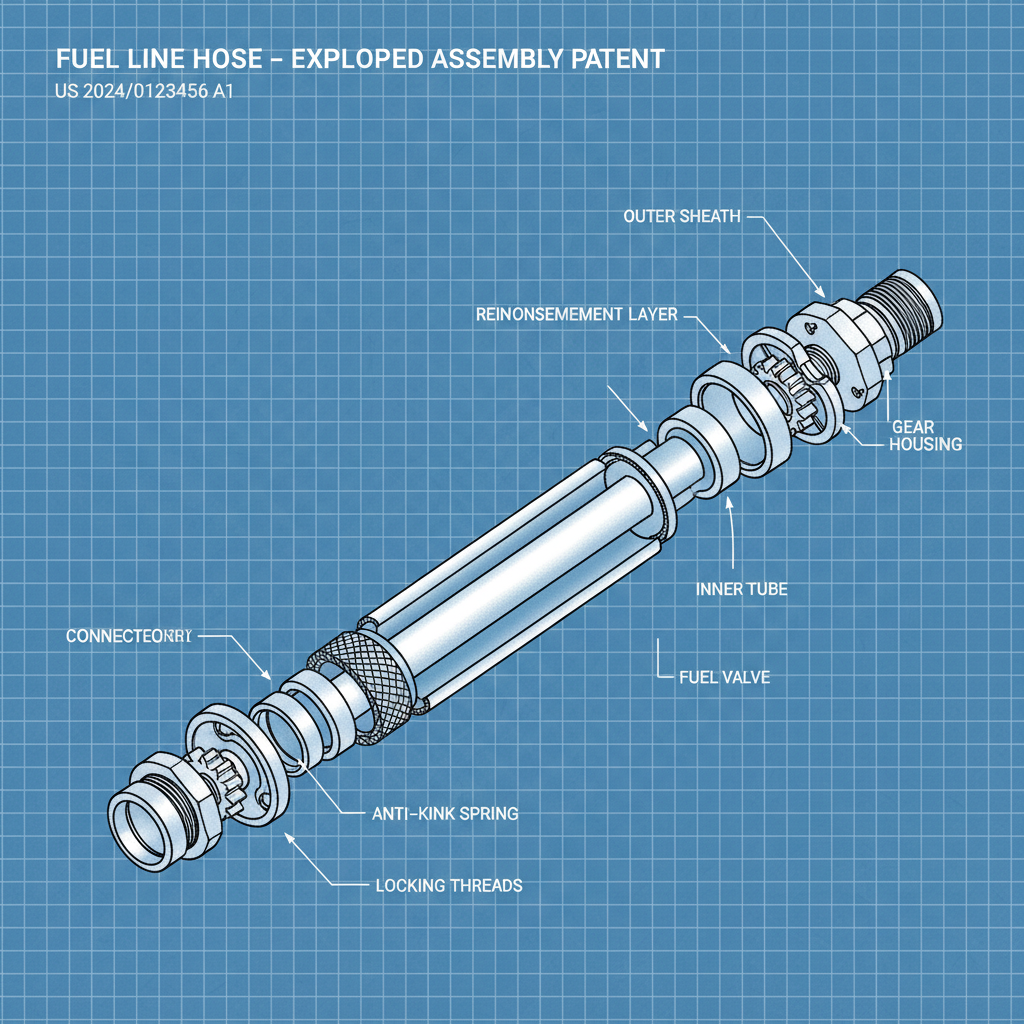
Fuel hoses are manufactured from various materials, each with its own strengths and weaknesses. Common materials include nitrile rubber (NBR), neoprene, and fluorocarbon (FKM, commonly known as Viton). NBR is a popular choice due to its excellent resistance to petroleum-based fuels, oils, and hydraulic fluids. Neoprene offers good resistance to weathering, ozone, and abrasion. FKM provides superior resistance to a wider range of chemicals, including aggressive fuels and high temperatures, but is typically more expensive. The ideal material depends on the specific fuel being conveyed, the operating temperature, and the expected service life. Kemohose offers a wide array of fuel hoses constructed from these materials, catering to diverse applications.
Key Takeaway: The right material ensures compatibility with the fuel type, temperature, and pressure requirements of your application, maximizing hose longevity and safety.
Key Considerations When Selecting a Rubber Hose for Fuel Line
Beyond the material, several other factors influence the selection process. These include the hose's inner diameter (ID), outer diameter (OD), working pressure, burst pressure, and reinforcement type. ID determines the flow rate, while OD impacts the hose’s ability to fit within available space. Working pressure indicates the maximum pressure the hose can safely handle during operation, and burst pressure represents the pressure at which the hose will fail. Reinforcement – typically braided textile or wire – enhances the hose’s strength and resistance to pressure. Choosing a hose with appropriate specifications is crucial for safe and reliable performance.
Essential Specifications:
• Inner Diameter (ID)
• Outer Diameter (OD)
• Working Pressure
• Burst Pressure
• Reinforcement Type
Comparing Fuel Hose Materials
A direct comparison of common fuel hose materials highlights their relative strengths and weaknesses. Selecting the optimal material requires understanding these trade-offs. Here's a breakdown:
Applications and Common Fuel Hose Types
Fuel hoses serve a wide range of applications, each demanding specific features. Automotive fuel lines require hoses that can withstand the pressures and temperatures of modern fuel injection systems. Industrial applications, such as fueling heavy machinery, demand durable hoses with high flow rates. Marine applications require hoses resistant to saltwater and UV exposure. Kemohose provides specialized fuel hoses tailored to these diverse needs.
Ensuring Longevity and Safe Operation
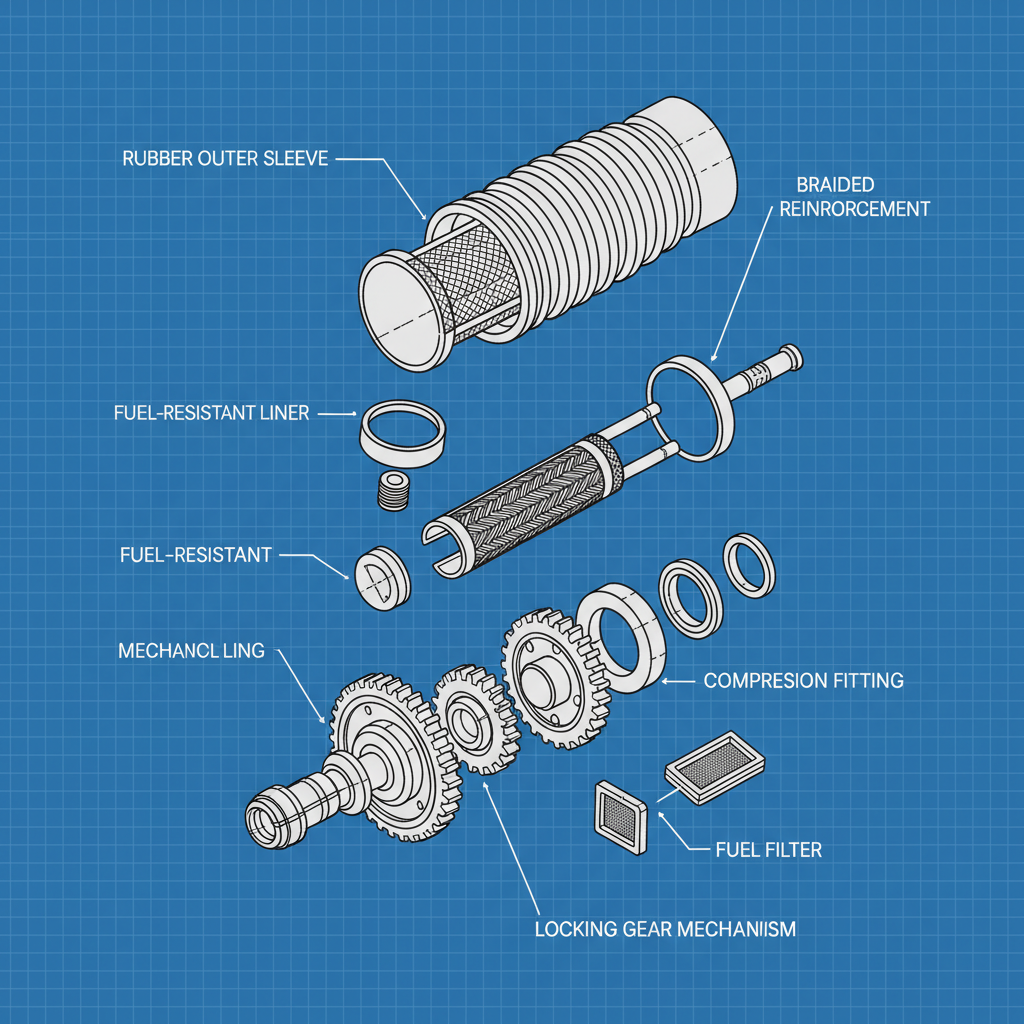
Proper handling, installation, and maintenance are vital for maximizing the lifespan and ensuring the safe operation of your fuel hoses. Avoid kinking or bending the hose excessively, as this can weaken the structure and lead to leaks. Regularly inspect the hose for cracks, abrasions, or signs of deterioration. Replace the hose immediately if any damage is detected. Additionally, ensure compatibility with the fuel type and avoid exposing the hose to incompatible chemicals. Following these guidelines will help maintain a safe and efficient fuel delivery system.
Conclusion: Choosing the Right Fuel Hose
Selecting the correct rubber hose for fuel line is a critical aspect of maintaining a safe and reliable system. By considering material compatibility, specifications, and application requirements, you can ensure optimal performance and longevity. Kemohose provides a comprehensive selection of high-quality fuel hoses to meet your specific needs. Invest in the right hose – it’s an investment in safety and efficiency.
Frequently Asked Questions (FAQs)
What is the lifespan of a typical fuel hose?
The lifespan of a fuel hose varies depending on usage conditions, fuel type, and environmental factors. Generally, a fuel hose should be inspected annually and replaced every 5-7 years, or sooner if signs of wear, cracking, or swelling are observed. Exposure to harsh chemicals, extreme temperatures, and prolonged UV exposure can significantly reduce the hose’s lifespan. Regularly checking for leaks and maintaining proper fuel filtration will also extend its longevity.
Can I use a fuel hose for other fluids?
It’s generally not recommended to use a fuel hose for fluids other than those it was specifically designed for. Different fluids have different chemical properties that can cause the hose material to degrade, leading to leaks and failures. Always check the hose's specifications to ensure compatibility with the intended fluid. Using an incompatible fluid could compromise the hose’s integrity and create a hazardous situation.
What safety precautions should I take when replacing a fuel hose?
When replacing a fuel hose, always disconnect the fuel supply and relieve any pressure in the system. Work in a well-ventilated area and avoid open flames or sparks. Use appropriate tools and follow the manufacturer’s instructions for installation. Ensure all connections are secure and properly clamped. After installation, carefully check for leaks before restarting the system. If you are not comfortable performing this task yourself, it’s best to consult a qualified mechanic.
How does temperature affect fuel hose performance?
Temperature plays a significant role in fuel hose performance. Extreme temperatures, both hot and cold, can affect the hose's flexibility, pressure capacity, and resistance to degradation. High temperatures can cause the hose to soften and swell, while low temperatures can make it brittle and prone to cracking. Choosing a hose with a temperature range appropriate for the intended application is essential for reliable operation.
Latest news
-
Transmission Oil Cooler Pipe Maintenance and Selection Guide
NewsApr.16,2026
-
Ultimate Guide to Choosing Transmission Oil Cooler Line Hose
NewsApr.09,2026
-
Essential Guide to Transmission Oil Cooler Hose 5/16 for Vehicle Longevity
NewsApr.07,2026
-
Understanding the Critical Role of Transmission Oil Cooler Hose 1 2 for Vehicle Longevity
NewsApr.04,2026
-
Understanding Transmission Oil Coolant Lines For Optimal Vehicle Performance
NewsMar.31,2026
-
Comprehensive Guide to Oil Coolant Pipe Selection and Industrial Applications
NewsMar.28,2026