
Choosing the Best Rubber Hose for Gasoline Applications and Safety
Jan . 28, 2026 11:35 Back to list
Choosing the Best Rubber Hose for Gasoline Applications and Safety
Choosing the Right Rubber Hose for Gasoline: A Comprehensive Guide
Selecting the appropriate rubber hose for gasoline is crucial for safe and efficient fuel transfer. Gasoline is a volatile and corrosive substance, demanding hoses built with materials that can withstand its harsh properties. This article will delve into the key considerations when choosing a gasoline hose, covering material types, construction, standards, and applications. We’ll explore how to ensure compatibility, prevent leaks, and prioritize safety. Understanding these aspects will help you make an informed decision and protect your operations.
Understanding Gasoline Hose Materials
The material of a rubber hose for gasoline is paramount. The most common material is nitrile rubber (NBR), known for its excellent resistance to gasoline, oils, and fuels. Other materials include chloroprene (CR), also known as neoprene, offering good all-around resistance, and specialized synthetic rubbers designed for specific gasoline blends. It's vital to check the hose's material compatibility with the exact type of gasoline being used, as different formulations may require different resistance properties. Avoid hoses made of materials like natural rubber, as they quickly degrade when exposed to gasoline.
Key Takeaway: Nitrile rubber (NBR) is generally the best choice for gasoline hoses due to its superior fuel resistance and durability.
Construction and Reinforcement: Ensuring Durability
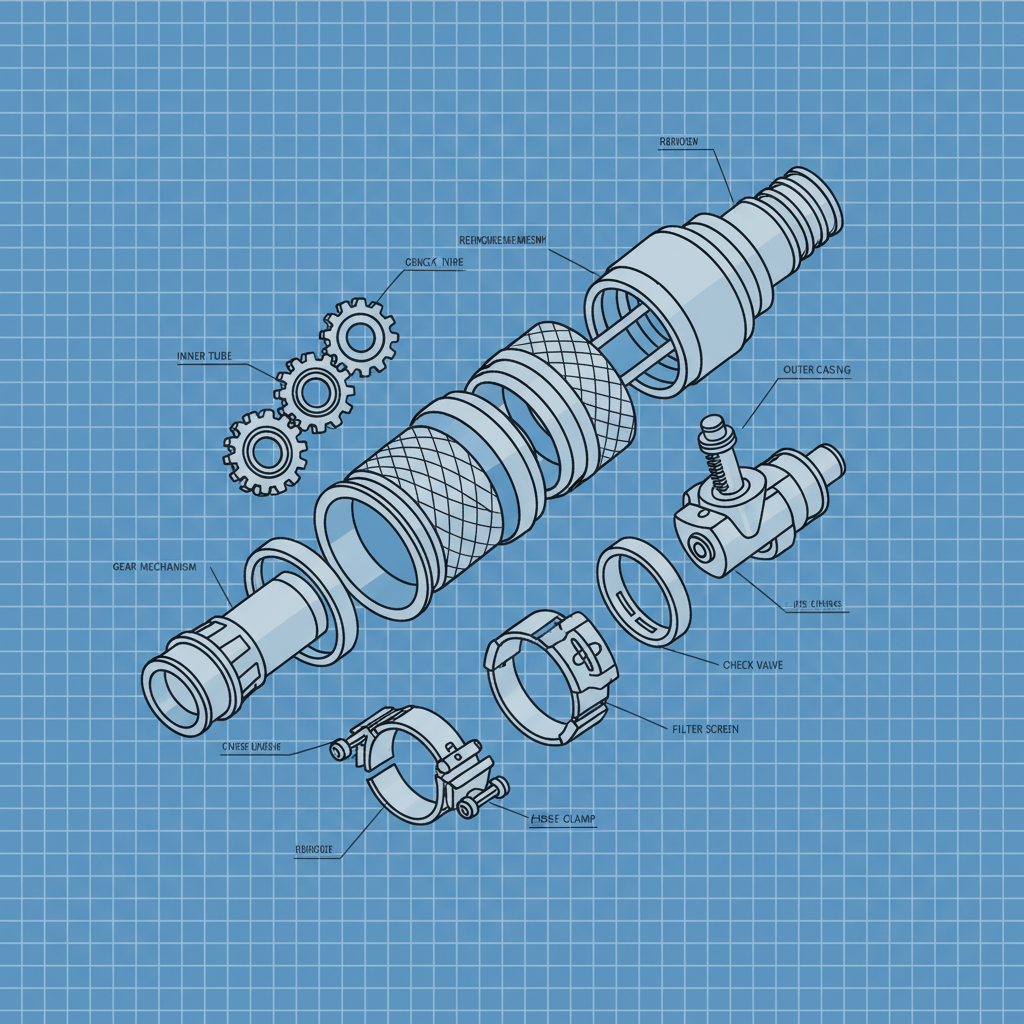
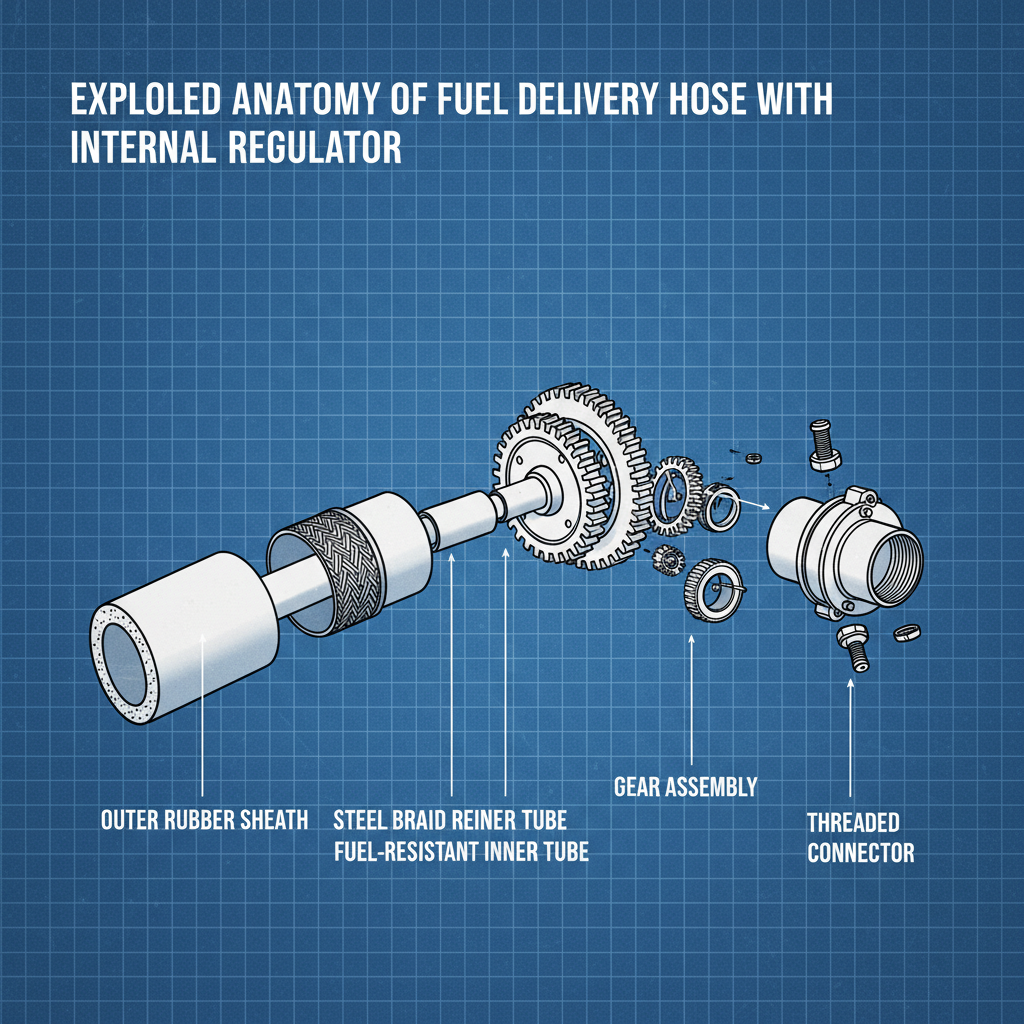
Beyond the material, the hose's construction plays a significant role. Gasoline hoses are typically constructed with multiple layers: an inner tube resistant to fuel, a reinforcement layer for strength and pressure resistance, and an outer cover for protection against abrasion and weathering. The reinforcement layer often consists of textile braiding (typically polyester or nylon) or a spiral-wound steel wire. Steel-wire reinforced hoses are preferred for higher pressure applications and greater durability. The number of layers and the quality of reinforcement dictate the hose's working pressure and lifespan.
Construction Features:
• Inner Tube: Fuel-resistant NBR or CR.
• Reinforcement: Textile braid or steel wire spiral.
• Outer Cover: Abrasion and weather-resistant rubber.
• Layer Count: Impacts pressure rating and durability.
Key Considerations for Rubber Hoses for Gasoline Selection
When choosing a rubber hose for gasoline, consider these factors: the type of gasoline, the working pressure, the temperature range, the hose length, and the fittings required. Ensure the hose is rated for the maximum pressure it will encounter during operation. Pay attention to the temperature range; some hoses may become brittle in cold temperatures or soften in extreme heat. Correct fitting selection is also vital; using incompatible fittings can lead to leaks and failures.
Industry Standards and Safety Regulations
Gasoline hoses must comply with relevant industry standards and safety regulations. In the US, look for hoses meeting the requirements of SAE J30R9, which specifically addresses fuel transfer hoses. European standards include EN 12115. Compliance ensures the hose has been tested for pressure resistance, leak prevention, and material compatibility. Regular inspection and adherence to recommended replacement schedules are also crucial for maintaining safety. Always prioritize hoses certified by reputable testing organizations.
Selecting the Right Hose from Kemo Hose
At Kemo Hose, we offer a wide range of rubber hoses for gasoline that meet and exceed industry standards. Our hoses are constructed with high-quality materials, reinforced for durability, and rigorously tested for safety. We provide expert guidance to help you select the optimal hose for your specific application, ensuring reliable performance and long-term value. Browse our selection today and experience the Kemo Hose difference.
Conclusion: Ensuring Safe and Efficient Fuel Transfer
Choosing the right rubber hose for gasoline is paramount for safety and operational efficiency. By considering material compatibility, construction quality, and industry standards, you can prevent leaks, minimize risks, and ensure reliable fuel transfer. Kemo Hose provides a comprehensive selection of high-quality hoses and expert guidance to meet your specific needs. Invest in quality and safety – choose Kemo Hose.
Frequently Asked Questions (FAQs)
What is the lifespan of a gasoline rubber hose?
The lifespan of a gasoline rubber hose depends on several factors, including usage frequency, exposure to environmental elements (UV light, temperature fluctuations), and the type of gasoline it handles. Generally, a gasoline hose should be replaced every 3-5 years, even if it appears to be in good condition. Regularly inspect the hose for cracks, abrasions, swelling, or any signs of deterioration. If any of these are observed, replace the hose immediately. Proper storage when not in use can also extend its lifespan – avoid direct sunlight and extreme temperatures.
What fittings are compatible with gasoline hoses?
The fittings used with gasoline hoses must be specifically designed for fuel transfer and compatible with the hose material. Common fitting materials include brass, stainless steel, and fuel-resistant plastics. Avoid using fittings made of materials that can corrode or react with gasoline. Ensure the fittings are properly crimped or secured to the hose to prevent leaks. Always check the fitting's pressure rating to ensure it matches or exceeds the hose's working pressure. Kemo Hose offers a range of compatible fittings designed for secure and reliable connections.
How do I properly store a gasoline hose when not in use?
Proper storage is crucial for maintaining the lifespan and integrity of a gasoline hose. Before storing, completely drain any remaining gasoline from the hose. Coil the hose loosely to avoid kinking or creasing. Store the hose in a cool, dry, and well-ventilated area, away from direct sunlight, heat sources, and chemicals. Avoid storing the hose in a location where it could be stepped on or damaged. A hose reel can be a convenient storage solution.
What safety precautions should I take when handling gasoline hoses?
When handling gasoline hoses, prioritize safety. Always ground the hose to prevent static electricity buildup, which could ignite gasoline vapors. Avoid bending or kinking the hose during use, as this can restrict flow and create pressure. Never use a damaged hose. Wear appropriate personal protective equipment (PPE), including gloves and eye protection. Work in a well-ventilated area. In the event of a spill, immediately shut off the fuel source and clean up the spill using appropriate absorbent materials.
Latest news
-
Transmission Oil Cooler Pipe Maintenance and Selection Guide
NewsApr.16,2026
-
Ultimate Guide to Choosing Transmission Oil Cooler Line Hose
NewsApr.09,2026
-
Essential Guide to Transmission Oil Cooler Hose 5/16 for Vehicle Longevity
NewsApr.07,2026
-
Understanding the Critical Role of Transmission Oil Cooler Hose 1 2 for Vehicle Longevity
NewsApr.04,2026
-
Understanding Transmission Oil Coolant Lines For Optimal Vehicle Performance
NewsMar.31,2026
-
Comprehensive Guide to Oil Coolant Pipe Selection and Industrial Applications
NewsMar.28,2026