
Understanding Auto Transmission Hose Function Types and Maintenance
Mar . 12, 2026 02:05 Back to list
Understanding Auto Transmission Hose Function Types and Maintenance
Understanding Your Auto Transmission Hose: A Comprehensive Guide
The auto transmission hose is a critical component in your vehicle’s automatic transmission system, responsible for delivering vital transmission fluid under pressure. Ensuring its integrity is paramount for smooth shifting, optimal performance, and preventing costly transmission damage. This guide will delve into the function, types, materials, signs of failure, and proper maintenance of auto transmission hoses, helping you understand how to keep your vehicle running efficiently. Ignoring potential issues with your transmission hose can lead to significant repair bills down the line.
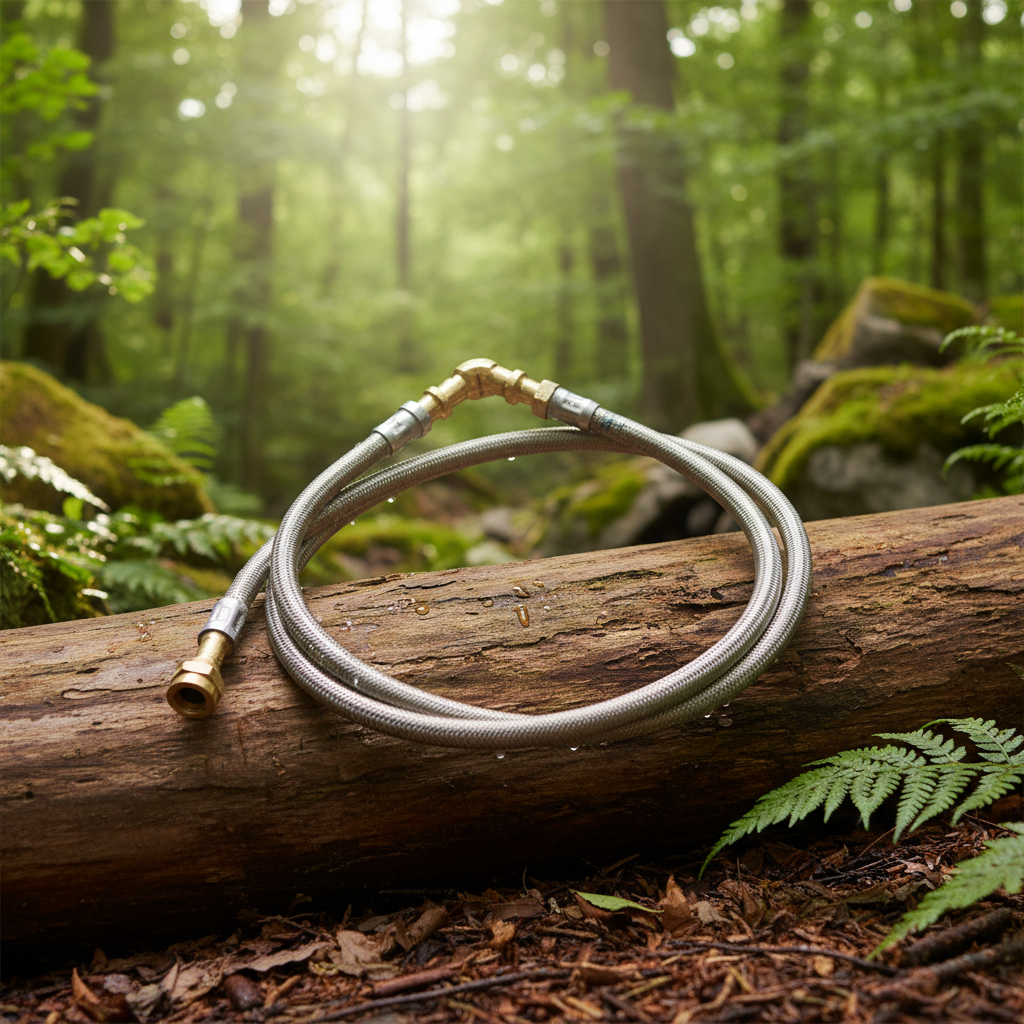
The Function of an Auto Transmission Hose
The primary function of the auto transmission hose is to circulate transmission fluid between the transmission, cooler, and filter. This fluid is vital for several key operations: lubricating moving parts, providing hydraulic pressure for shifting gears, and dissipating heat generated during transmission operation. A properly functioning auto transmission hose ensures consistent fluid flow, maintaining optimal transmission temperature and performance. Without adequate fluid circulation, the transmission can overheat, leading to slipping gears, rough shifting, and ultimately, complete failure.
Key Responsibilities: Lubrication of transmission parts, hydraulic pressure for gear shifts, and temperature regulation. A quality hose from Kemohose will guarantee these functions are performed optimally.
Types of Auto Transmission Hoses
Auto transmission hoses come in several types, each designed for specific applications and materials. The most common include:
- Rubber Hoses: Traditionally used, these are flexible and cost-effective but susceptible to cracking and deterioration over time.
- Steel Braided Hoses: Offer enhanced durability and resistance to pressure, kinking, and abrasion.
- PTFE (Teflon) Hoses: Provide superior chemical resistance and temperature tolerance, making them ideal for high-performance applications.
Selecting the right type of auto transmission hose depends on your vehicle’s make and model, as well as your driving conditions. Kemohose offers a wide selection to meet diverse needs.
Hose Type Comparison:
• Rubber Hoses: Cost-effective, flexible, lower durability.
• Steel Braided Hoses: Increased durability, resistance to kinking and abrasion.
• PTFE (Teflon) Hoses: Excellent chemical and temperature resistance.
Materials Used in Auto Transmission Hose Construction
The materials used in auto transmission hoses significantly impact their performance and longevity. Common materials include:
- NBR (Nitrile Butadiene Rubber): Excellent resistance to oil and fuel.
- EPDM (Ethylene Propylene Diene Monomer): Superior resistance to heat, ozone, and weathering.
- Stainless Steel Braiding: Provides strength and prevents kinking.
- PTFE (Polytetrafluoroethylene): Exceptional chemical resistance and high-temperature tolerance.
Kemohose utilizes high-quality materials to ensure our hoses meet or exceed OEM specifications.
Recognizing Signs of a Failing Auto Transmission Hose
Early detection of a failing auto transmission hose can prevent major transmission damage. Watch out for these warning signs:
Maintenance and Replacement of Auto Transmission Hoses
Regular inspection of your auto transmission hose is crucial. Look for cracks, bulges, leaks, or any signs of deterioration. Replacing the hose proactively can prevent costly transmission repairs. Kemohose offers a wide range of replacement hoses designed for easy installation and long-lasting performance. When replacing, always ensure the new hose is compatible with your vehicle’s make and model and meets OEM specifications.

Conclusion: Ensuring Your Transmission's Health
Maintaining a healthy transmission relies heavily on the integrity of its hoses. By understanding the function, types, and potential issues associated with your auto transmission hose, you can proactively address potential problems and prevent costly repairs. Choose quality hoses from Kemohose for reliable performance and peace of mind.
Frequently Asked Questions (FAQs)
How often should I inspect my auto transmission hose?
It’s recommended to visually inspect your auto transmission hose at least twice a year, or with every oil change. Pay close attention to any signs of cracks, leaks, or swelling. A more thorough inspection, including checking for fluid pressure loss, should be performed by a qualified mechanic if you suspect a problem. Regular preventative maintenance, coupled with quality parts from Kemohose, can significantly extend the life of your transmission.
Can I repair a leaking auto transmission hose, or should I replace it?
While small leaks might seem repairable with temporary fixes like hose clamps, it’s generally not recommended. These repairs are often short-lived and don't address the underlying deterioration of the hose material. A leaking hose is a sign of weakness and potential failure, and replacing it with a new, high-quality hose from Kemohose is the safest and most reliable solution. Attempting repairs can lead to further leaks and potential transmission damage.
What is the best type of auto transmission hose for high-performance vehicles?
For high-performance vehicles that experience increased temperatures and pressures, a PTFE (Teflon) hose is typically the best choice. PTFE hoses offer superior chemical resistance, high-temperature tolerance, and durability. Steel braided hoses are also a good option for added strength and resistance to kinking. Kemohose offers a selection of both PTFE and steel braided hoses specifically designed for demanding applications.
What tools are needed to replace an auto transmission hose?
Replacing an auto transmission hose generally requires a few basic tools, including a socket set, wrench set, pliers, hose clamp pliers (if applicable), drain pan, and safety glasses. You may also need a flare nut wrench for disconnecting fluid lines. Always disconnect the negative battery cable before starting any work on your vehicle. If you're not comfortable performing this task yourself, it’s best to consult a qualified mechanic. Using genuine replacement parts like those available at Kemohose is vital for a successful repair.
Latest news
-
Transmission Oil Cooler Pipe Maintenance and Selection Guide
NewsApr.16,2026
-
Ultimate Guide to Choosing Transmission Oil Cooler Line Hose
NewsApr.09,2026
-
Essential Guide to Transmission Oil Cooler Hose 5/16 for Vehicle Longevity
NewsApr.07,2026
-
Understanding the Critical Role of Transmission Oil Cooler Hose 1 2 for Vehicle Longevity
NewsApr.04,2026
-
Understanding Transmission Oil Coolant Lines For Optimal Vehicle Performance
NewsMar.31,2026
-
Comprehensive Guide to Oil Coolant Pipe Selection and Industrial Applications
NewsMar.28,2026