
Understanding Alcohol Fuel Line Systems for Optimal Engine Performance
Feb . 11, 2026 02:05 Back to list
Understanding Alcohol Fuel Line Systems for Optimal Engine Performance
Understanding Alcohol Fuel Line Systems
When considering alternative fuels, particularly in specialized applications, the integrity of the fuel delivery system is paramount. Alcohol fuel line systems require specific hose constructions to withstand the corrosive properties of fuels like ethanol and methanol. This article will provide a comprehensive overview of alcohol fuel lines, their applications, materials, and crucial considerations for selecting the right hose for your needs. Selecting the appropriate fuel line is vital for preventing leaks, ensuring engine performance, and maintaining safety. We'll explore the unique challenges of handling alcohol-based fuels and how Kemohose provides robust solutions.
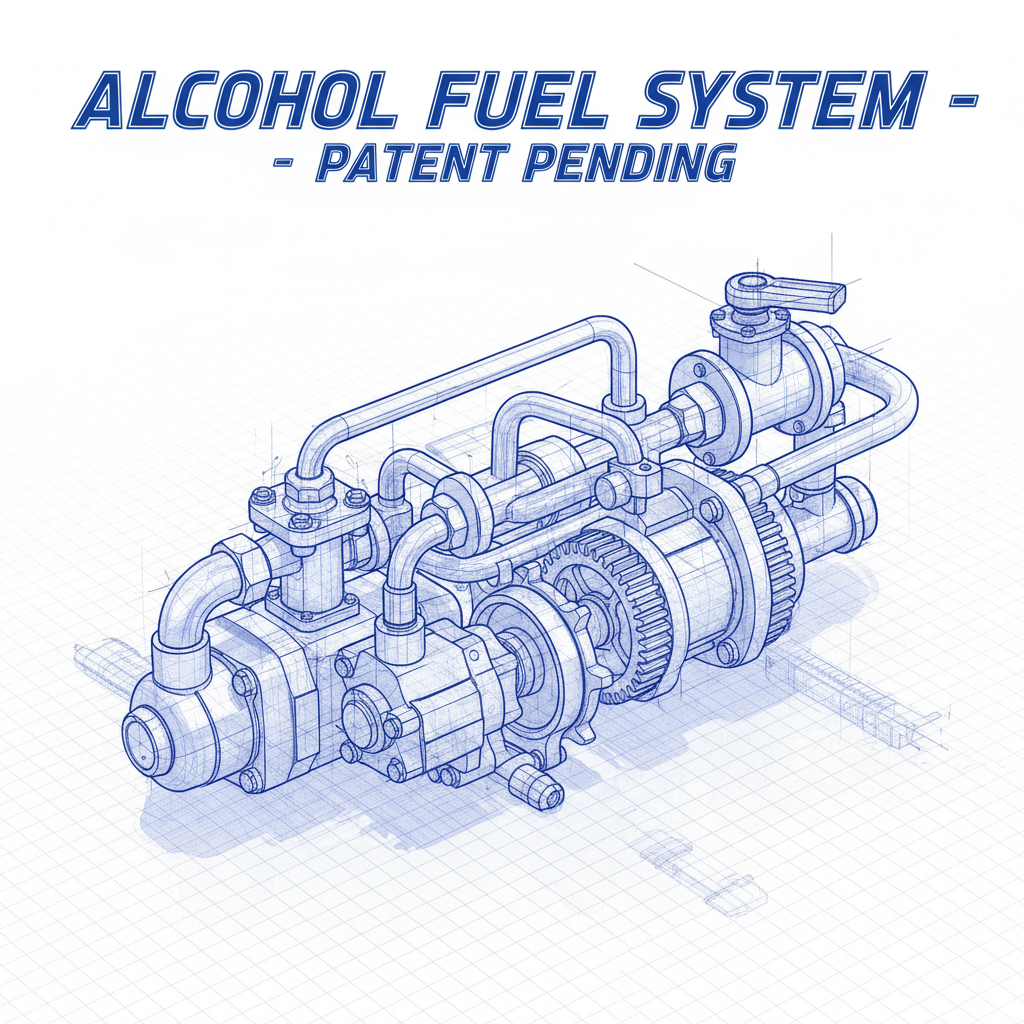
Why Alcohol Requires Specialized Fuel Lines
Unlike gasoline, alcohol-based fuels are highly corrosive and can degrade standard rubber hoses over time. This degradation can lead to fuel leaks, reduced fuel pressure, and ultimately, engine failure. Ethanol, in particular, is known for its ability to absorb water, which further exacerbates the corrosion process. Therefore, fuel lines designed for alcohol must be constructed from materials resistant to these corrosive effects. Materials like fluoropolymers (such as PTFE), nitrile rubber with specific formulations, and specialized composite materials are commonly used. Choosing the right material is the first step in ensuring a reliable and safe fuel system. At Kemohose, we prioritize the use of high-quality materials for exceptional durability.
Key Considerations: Alcohol-based fuels are corrosive and can degrade standard rubber hoses. Specialized materials like fluoropolymers and nitrile rubber are essential for durability and safety.
Common Applications for Alcohol Fuel Lines
Alcohol fuel lines find use in various applications, including: Racing (drag racing, circle track, and off-road), Flex-fuel vehicles (FFVs), small engine equipment (lawnmowers, generators), and industrial applications utilizing ethanol or methanol as fuel sources. Each application presents unique challenges related to fuel pressure, temperature, and the concentration of alcohol in the fuel blend. Racing applications often demand the highest levels of performance and reliability, requiring hoses capable of withstanding extreme conditions. FFVs require hoses that can handle varying alcohol concentrations, while small engine equipment needs durable lines that can withstand extended outdoor exposure. Kemohose offers a wide range of alcohol fuel lines tailored to these diverse needs.
Application Examples:
• Racing: High-performance, high-pressure applications
• Flex-Fuel Vehicles: Variable alcohol concentration
• Small Engines: Durable, weather-resistant lines
• Industrial: Consistent fuel delivery in demanding environments
Alcohol Fuel Line Materials: A Comparative Analysis
Choosing the right material for your alcohol fuel line is crucial. Here's a comparison of commonly used materials:
Key Considerations When Selecting Alcohol Fuel Lines
Beyond material selection, several factors are crucial: Fuel type and concentration (ethanol, methanol, or blends), operating pressure, temperature range, hose diameter, and length. It’s also vital to check for compatibility with fittings and clamps. Always prioritize hoses certified for alcohol fuel use. Regular inspection for cracks, swelling, or softening is essential for maintaining safety and preventing leaks. Proper installation, avoiding sharp bends and kinks, will also prolong the hose's lifespan. Kemohose provides expert advice and high-quality products to ensure a safe and reliable fuel system.
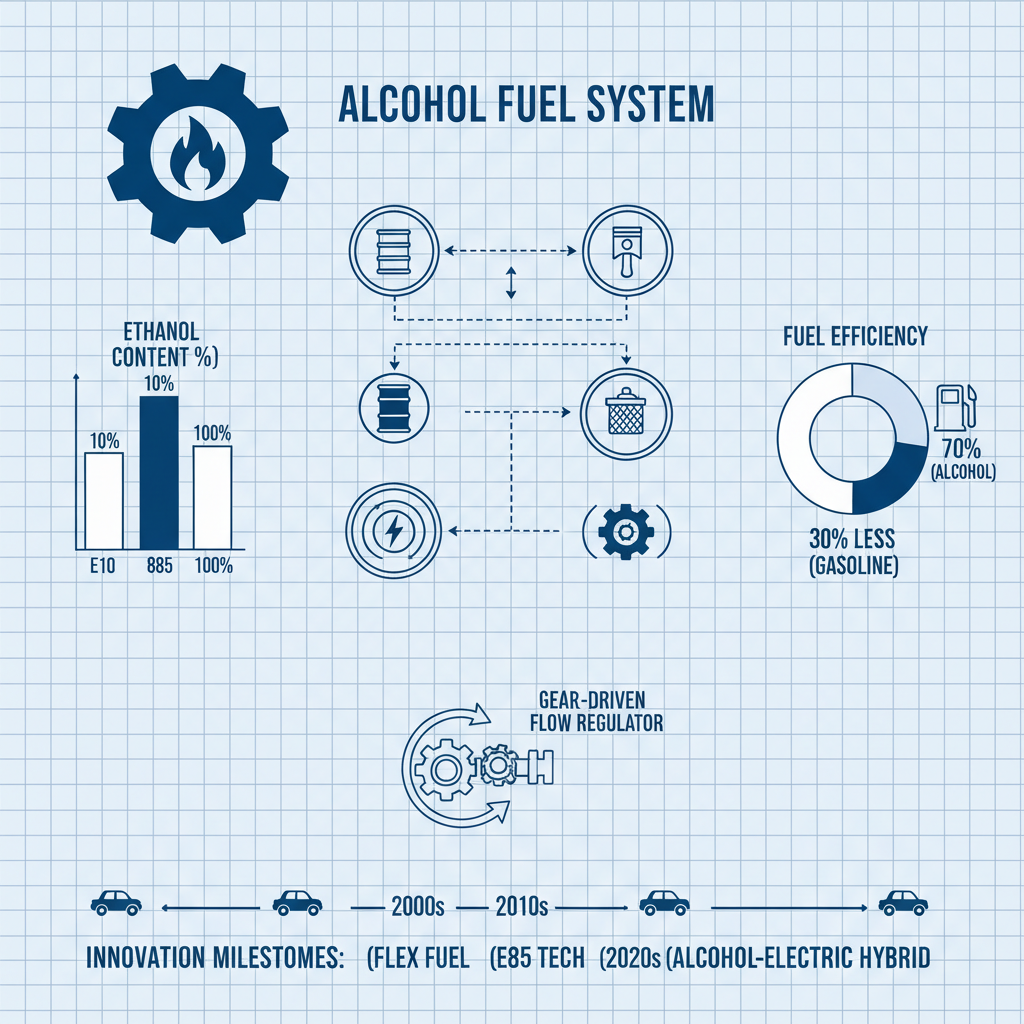
Product Showcase: Kemohose Alcohol Fuel Line Solutions
Kemohose offers a comprehensive range of alcohol fuel lines designed to meet the demands of various applications. Our hoses are constructed from high-quality materials, including PTFE, specialized nitrile rubber, and Viton, ensuring exceptional resistance to corrosion and degradation. We provide a variety of sizes and lengths to accommodate different fuel systems. Our alcohol fuel lines are rigorously tested to meet or exceed industry standards, providing peace of mind and reliable performance. We are committed to delivering durable, safe, and effective solutions for all your alcohol fuel line needs.
Conclusion: Choosing the Right Fuel Line for Peace of Mind
Investing in high-quality alcohol fuel lines from Kemohose is a crucial step in ensuring the reliability, safety, and longevity of your fuel system. Don't compromise on quality – choose Kemohose for exceptional performance and peace of mind.
Frequently Asked Questions (FAQs)
How often should I replace my alcohol fuel lines?
It’s generally recommended to replace alcohol fuel lines every 3-5 years, or sooner if any signs of deterioration are observed, such as cracking, swelling, or softening. Alcohol's corrosive properties can gradually degrade the hose material, even if it appears visually intact. Regular inspection is crucial. Consider replacing lines annually in high-performance racing applications. Furthermore, if the fuel line has been exposed to a spill or harsh chemicals, it should be replaced immediately.
What is the best material for high-ethanol fuel?
For high-ethanol fuels (E85 and above), PTFE (Teflon) is generally considered the most resistant material. Specialty nitrile rubber blends formulated for alcohol fuels also offer excellent performance. Avoid standard rubber hoses, as they will quickly degrade. Viton is another excellent option, although it comes at a higher cost. The key is to ensure the material is specifically rated for the ethanol concentration you’re using. Kemohose can help you select the appropriate material for your specific needs.
Can I use standard fuel line clamps with alcohol fuel lines?
While some standard clamps may work, it's best to use clamps specifically designed for fuel lines, especially when dealing with alcohol fuels. These clamps are typically made from stainless steel to resist corrosion and provide a secure, leak-proof seal. Avoid using clamps that can corrode or weaken over time, as this could lead to fuel leaks. Band-type clamps are generally preferred for alcohol fuel lines.
Where can I find reliable alcohol fuel lines?
You can find reliable alcohol fuel lines at Kemohose. We specialize in providing high-quality fuel lines and fittings for a wide range of applications, including those using alcohol-based fuels. Our products are rigorously tested and meet or exceed industry standards. We also offer expert advice to help you select the right fuel line for your specific needs.
Latest news
-
Transmission Oil Cooler Pipe Maintenance and Selection Guide
NewsApr.16,2026
-
Ultimate Guide to Choosing Transmission Oil Cooler Line Hose
NewsApr.09,2026
-
Essential Guide to Transmission Oil Cooler Hose 5/16 for Vehicle Longevity
NewsApr.07,2026
-
Understanding the Critical Role of Transmission Oil Cooler Hose 1 2 for Vehicle Longevity
NewsApr.04,2026
-
Understanding Transmission Oil Coolant Lines For Optimal Vehicle Performance
NewsMar.31,2026
-
Comprehensive Guide to Oil Coolant Pipe Selection and Industrial Applications
NewsMar.28,2026