
The Vital Role of the Injector Return Hose in Diesel Engine Performance
Jan . 30, 2026 14:35 Back to list
The Vital Role of the Injector Return Hose in Diesel Engine Performance
Understanding the Importance of an Injector Return Hose
The injector return hose is a critical component in any diesel engine system. Its primary function is to safely return unused fuel from the injectors back to the fuel tank. A failing or damaged injector return hose can lead to fuel leaks, reduced engine performance, and even engine damage. This article will delve into the features, common issues, selection criteria, and maintenance of injector return hoses, providing a comprehensive overview for mechanics, fleet managers, and diesel engine enthusiasts. Ensuring the integrity of this component is vital for maintaining optimal engine operation and preventing costly repairs.
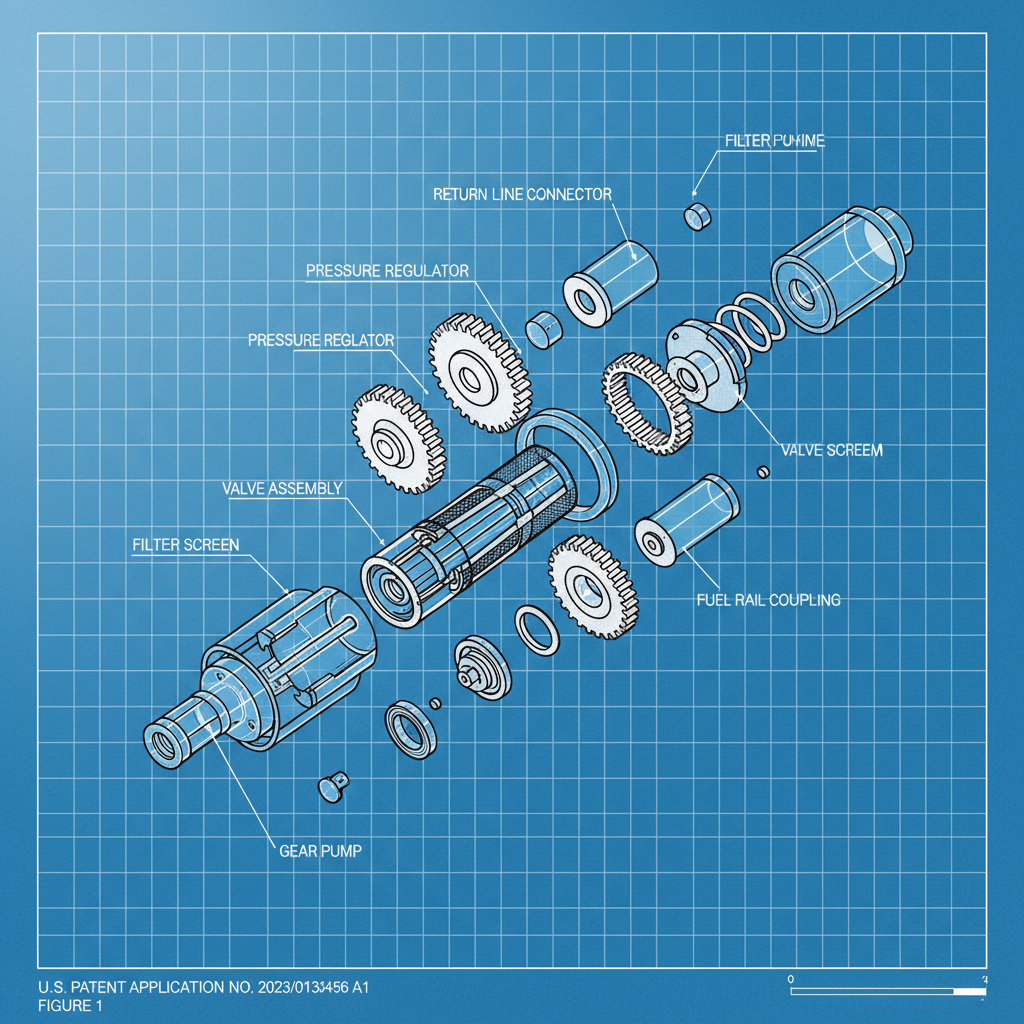
Key Features and Materials of Injector Return Hoses
Injector return hoses are designed to withstand the harsh conditions within a diesel engine environment. They are typically constructed from a blend of materials, including a synthetic rubber inner lining resistant to diesel fuel, a reinforcing layer for strength and durability, and an outer cover to protect against abrasion and environmental factors. Common materials include nitrile rubber (NBR), ethylene propylene diene monomer (EPDM), and fluorocarbon rubber (FKM), each offering different levels of resistance to temperature, pressure, and chemical exposure. The hoses must also be able to withstand the constant pulsations and vibrations of the engine. A quality injector return hose is built for longevity and reliability.
Key Highlights: Constructed from fuel-resistant materials, reinforced for durability, and designed to withstand engine vibrations and pulsations.
Common Problems with Injector Return Hoses
Several issues can plague injector return hoses, impacting engine performance. These include cracking and hardening due to age and exposure to heat and fuel, leading to leaks. Hoses can also become kinked or collapsed internally, restricting fuel flow. Furthermore, improper installation or the use of incompatible fuels can accelerate degradation. Identifying these problems early is crucial. Symptoms of a failing hose include visible fuel leaks, black smoke from the exhaust (indicating incomplete combustion), reduced engine power, and a drop in fuel efficiency. Regularly inspecting the hoses for signs of wear and tear is essential preventative maintenance.
Common Issues:
• Cracking and hardening due to age and fuel exposure.
• Kinking or internal collapse, restricting fuel flow.
• Fuel leaks leading to potential fire hazards.
• Reduced engine power and fuel efficiency.
Choosing the Right Injector Return Hose: A Comparison
Selecting the correct injector return hose is vital for optimal engine performance and longevity. Consider the engine manufacturer's specifications, fuel type, and operating temperature. Different hose materials offer varying levels of compatibility and resistance. For instance, FKM hoses provide superior resistance to aggressive biofuels but come at a higher cost. The hose's diameter and length must also match the engine's requirements. Using an undersized hose can restrict fuel flow, while an oversized hose may be prone to kinking. Always opt for high-quality hoses from reputable suppliers like Kemohose to ensure reliability and durability.
Installation and Maintenance Best Practices
Proper installation is crucial for maximizing the lifespan of your injector return hose. Ensure the hose is routed correctly, avoiding sharp bends or contact with hot engine components. Use appropriate clamps to secure the hose connections. Regularly inspect the hose for signs of wear, cracks, or leaks. Replace the hose proactively at recommended intervals or if any damage is detected. When replacing, ensure the new hose is compatible with the fuel type and engine specifications. Preventative maintenance is significantly more cost-effective than dealing with the consequences of a failed hose.
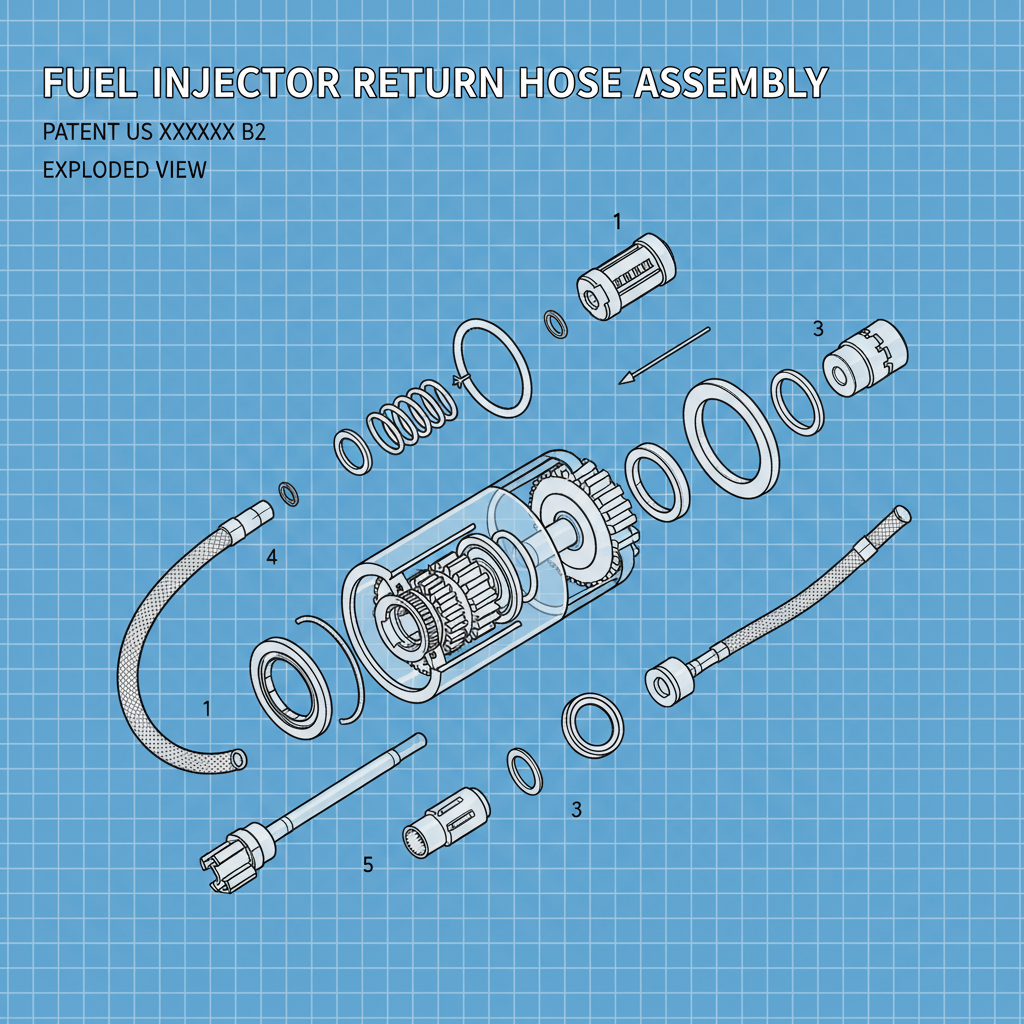
Conclusion: Prioritizing Injector Return Hose Health
The injector return hose is a small but vital component of any diesel engine. By understanding its function, common problems, and proper maintenance procedures, you can prevent costly repairs and ensure optimal engine performance. Investing in high-quality hoses and regular inspections is a wise investment for any fleet manager or diesel engine owner. Don't neglect this essential part of your engine system.
Frequently Asked Questions (FAQs)
How often should I replace my injector return hose?
Generally, injector return hoses should be replaced every 2-3 years, or approximately 60,000 - 80,000 miles, depending on operating conditions. However, it’s crucial to visually inspect the hose regularly for any signs of cracking, hardening, or swelling. If any damage is observed, the hose should be replaced immediately, regardless of its age. Severe operating conditions, such as frequent exposure to extreme temperatures or aggressive fuels, may necessitate more frequent replacements. Refer to your engine manufacturer's recommendations for specific intervals.
What type of fuel is incompatible with standard injector return hoses?
Modern biofuels, particularly those with a high ethanol or biodiesel content, can be incompatible with standard nitrile rubber (NBR) hoses. These fuels can cause NBR hoses to swell, crack, or deteriorate, leading to leaks. It’s essential to use hoses specifically designed for biofuel compatibility, typically made from materials like FKM (fluorocarbon rubber) or EPDM. Always check the hose manufacturer’s specifications to ensure compatibility with the fuel being used.
Can a leaking injector return hose pose a fire hazard?
Yes, a leaking injector return hose can absolutely pose a fire hazard. Diesel fuel is flammable, and a leak near hot engine components, such as the exhaust manifold, can easily ignite. Even a small leak can create a dangerous situation. Promptly address any fuel leaks and ensure all connections are secure. Regularly inspect the hoses and surrounding areas for any signs of fuel accumulation.
What tools are needed to replace an injector return hose?
Replacing an injector return hose typically requires a few basic tools, including hose clamp pliers, a screwdriver, possibly a socket set depending on the clamp type, and a pair of safety glasses. In some cases, you may need a hose removal tool to assist in dislodging stubborn hoses. It's also advisable to have a container on hand to catch any spilled fuel. Always disconnect the negative battery terminal before starting any work on the fuel system.
Latest news
-
Transmission Oil Cooler Pipe Maintenance and Selection Guide
NewsApr.16,2026
-
Ultimate Guide to Choosing Transmission Oil Cooler Line Hose
NewsApr.09,2026
-
Essential Guide to Transmission Oil Cooler Hose 5/16 for Vehicle Longevity
NewsApr.07,2026
-
Understanding the Critical Role of Transmission Oil Cooler Hose 1 2 for Vehicle Longevity
NewsApr.04,2026
-
Understanding Transmission Oil Coolant Lines For Optimal Vehicle Performance
NewsMar.31,2026
-
Comprehensive Guide to Oil Coolant Pipe Selection and Industrial Applications
NewsMar.28,2026