
The Importance of a Quality Fuel Injector Return Hose for Optimal Vehicle Performance
Jan . 27, 2026 17:35 Back to list
The Importance of a Quality Fuel Injector Return Hose for Optimal Vehicle Performance
Understanding the Importance of a Fuel Injector Return Hose
The fuel injector return hose is a critical component in a modern fuel system, responsible for safely channeling excess fuel back to the fuel tank. Often overlooked, its failure can lead to fuel leaks, reduced engine performance, and even potential fire hazards. This article provides an in-depth look at the function, materials, signs of failure, and choosing the right replacement, with a focus on the high-quality options available at Kemohose. Understanding this hose is crucial for maintaining optimal vehicle operation and safety.
The Function of a Fuel Injector Return Hose
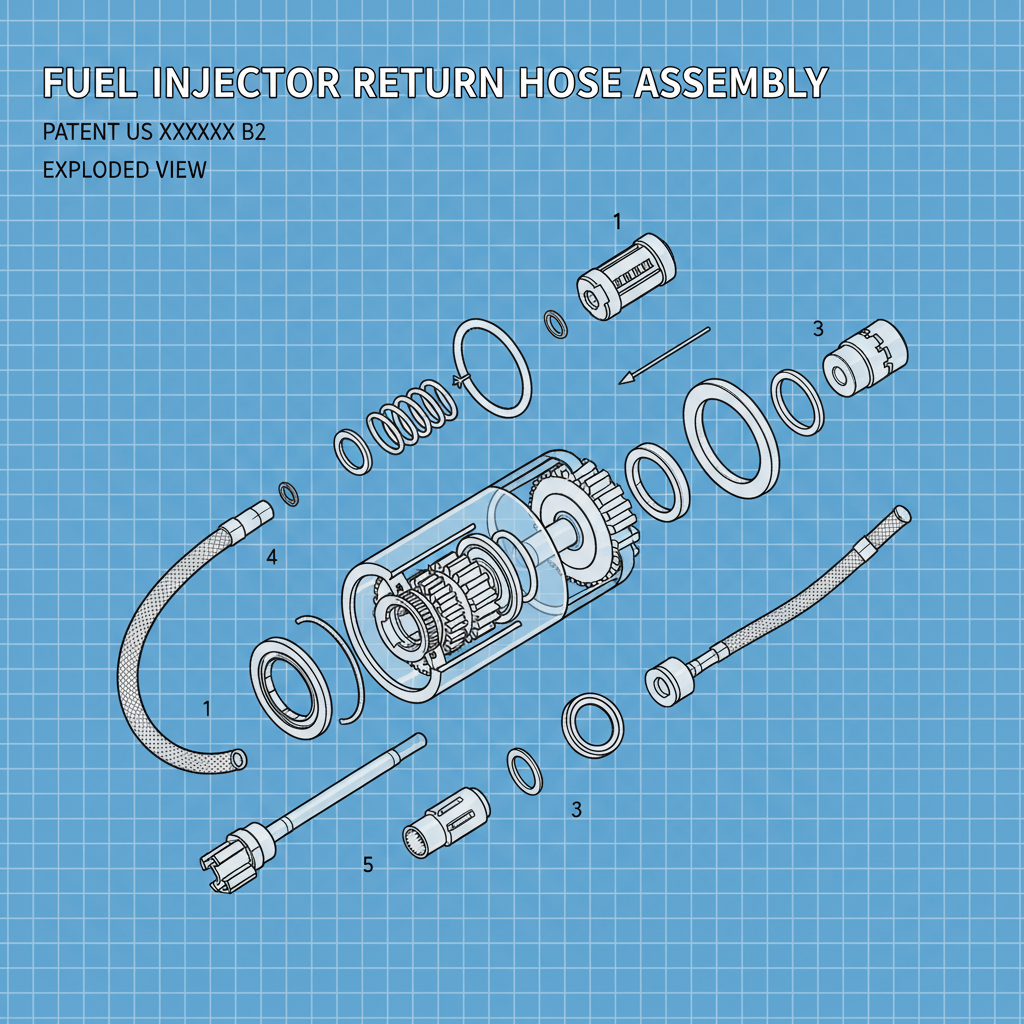
The primary function of a fuel injector return hose is to return unused fuel from the fuel injectors back to the fuel tank. Modern fuel injection systems operate at high pressures. Not all fuel delivered to the injectors is used for combustion; excess fuel needs to be managed. This return system prevents pressure buildup, ensures consistent fuel supply, and helps regulate fuel temperature. Without a functioning return hose, the fuel pressure can become dangerously high, potentially damaging injectors and other fuel system components. It's a vital part of maintaining a safe and efficient engine.
Key Takeaway: A properly functioning fuel injector return hose is essential for maintaining consistent fuel pressure and preventing damage to the fuel injection system.
Materials Used in Fuel Injector Return Hoses
Fuel injector return hoses must be constructed from materials that are compatible with gasoline, diesel, and other fuel additives. Common materials include:
- NBR (Nitrile Butadiene Rubber): Provides good resistance to oil and fuels. Often used in standard applications.
- EPDM (Ethylene Propylene Diene Monomer): Offers excellent resistance to heat, ozone, and weathering. Ideal for high-temperature environments.
- FKM (Fluorocarbon, Viton): Superior resistance to a wide range of chemicals and high temperatures, making it suitable for aggressive fuel blends.
- SAE J30R9: This standard specifies a thermoplastic hose designed for fuel transfer, known for its flexibility and durability.
At Kemohose, we prioritize hoses made from high-quality materials designed to withstand the demands of modern fuel systems.
Material Comparison:
• NBR: Good for standard fuel resistance, cost-effective.
• EPDM: Excellent heat and weather resistance.
• FKM: Best chemical and temperature resistance, highest cost.
• SAE J30R9: Durable and flexible thermoplastic option.
Signs of a Failing Fuel Injector Return Hose
Recognizing the signs of a failing fuel injector return hose is crucial for preventing more serious issues. Common symptoms include:
- Fuel Leaks: The most obvious sign - visible fuel leaks around the hose or fuel injectors.
- Fuel Smell: A persistent fuel odor, especially after driving.
- Reduced Engine Performance: Stuttering, misfires, or loss of power.
- Difficulty Starting: The engine may struggle to start due to fuel pressure issues.
- Check Engine Light: The engine management system may detect fuel pressure irregularities and illuminate the check engine light.
If you notice any of these symptoms, it’s important to inspect the hose and replace it if necessary. Ignoring these signs can lead to costly repairs and potential safety hazards.
Choosing the Right Fuel Injector Return Hose
Selecting the correct replacement fuel injector return hose is vital. Consider the following:
- Vehicle Make and Model: Ensure the hose is specifically designed for your vehicle.
- Fuel Type: Choose a hose compatible with the fuel your vehicle uses (gasoline, diesel, ethanol blends).
- Material: Select a material based on the operating temperature and fuel type. FKM is often preferred for its superior resistance.
- Inner Diameter (ID): Match the ID of the old hose to ensure proper fit and fuel flow.
- Reinforcement: Look for hoses with reinforced construction for added durability.
Kemohose offers a wide range of high-quality fuel injector return hoses, with detailed specifications to help you find the perfect fit for your vehicle.
Kemohose Fuel Injector Return Hose Specifications
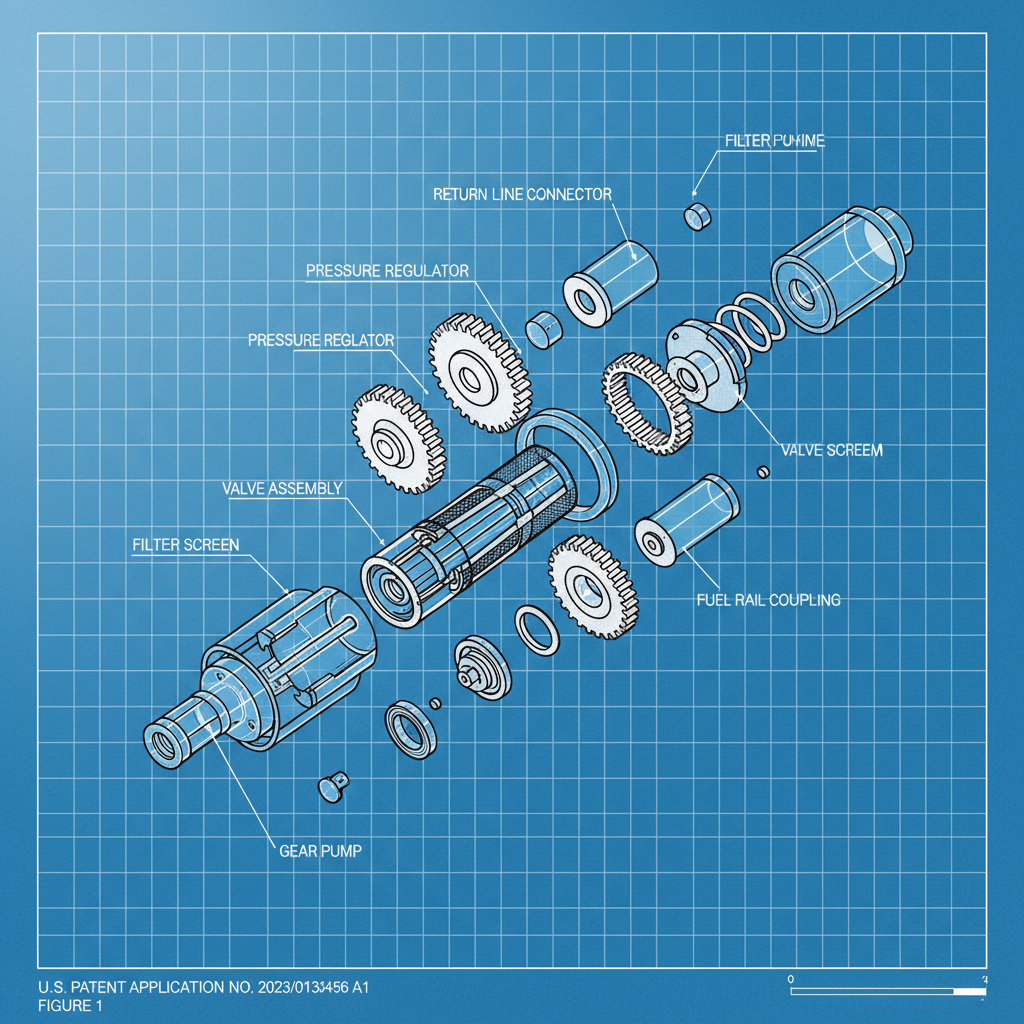
Here’s a look at some of the popular Fuel Injector Return Hoses that Kemohose offers:
Conclusion: Protect Your Engine with Quality Hoses
Replacing a worn or damaged fuel injector return hose is a proactive step towards maintaining your vehicle's performance and safety. Kemohose provides a comprehensive selection of high-quality hoses, expert advice, and reliable service. Don’t wait for a fuel leak or engine issue – prioritize your vehicle's health today!
Frequently Asked Questions (FAQs)
How often should I replace my fuel injector return hose?
While there isn't a fixed schedule, it’s recommended to inspect the hose every 2-3 years, or sooner if you notice any signs of wear, cracks, or leaks. Fuel hoses degrade over time due to exposure to fuel, heat, and environmental factors. Preventative replacement is always preferable to dealing with a sudden failure and potential fuel leak. The quality of the hose material also impacts longevity, with FKM hoses generally lasting longer than NBR hoses.
Can I temporarily repair a leaking fuel injector return hose?
No. Attempting a temporary repair on a fuel line is extremely dangerous. Fuel is highly flammable, and any leak poses a serious fire hazard. Even seemingly minor leaks can quickly escalate. The correct and safest course of action is to replace the hose immediately. Do not use tape, clamps, or other makeshift solutions. Always disconnect the battery before working on the fuel system, and work in a well-ventilated area.
What tools do I need to replace a fuel injector return hose?
Typically, you'll need a few basic tools for this task: fuel line disconnect tools (specific to your vehicle's fittings), pliers, screwdrivers, a wrench set, and safety glasses. It’s also advisable to have a container to catch any spilled fuel and a shop rag to clean up any messes. If you're not comfortable performing this repair yourself, it’s best to take your vehicle to a qualified mechanic.
Latest news
-
Transmission Oil Cooler Pipe Maintenance and Selection Guide
NewsApr.16,2026
-
Ultimate Guide to Choosing Transmission Oil Cooler Line Hose
NewsApr.09,2026
-
Essential Guide to Transmission Oil Cooler Hose 5/16 for Vehicle Longevity
NewsApr.07,2026
-
Understanding the Critical Role of Transmission Oil Cooler Hose 1 2 for Vehicle Longevity
NewsApr.04,2026
-
Understanding Transmission Oil Coolant Lines For Optimal Vehicle Performance
NewsMar.31,2026
-
Comprehensive Guide to Oil Coolant Pipe Selection and Industrial Applications
NewsMar.28,2026