
The Importance of a 1 2 Inch Oil Cooler Hose for Optimal Engine Performance
Mar . 05, 2026 02:05 Back to list
The Importance of a 1 2 Inch Oil Cooler Hose for Optimal Engine Performance
Understanding the Significance of a 1 2 Inch Oil Cooler Hose
Maintaining optimal engine temperature is critical for performance and longevity, particularly in demanding applications. A crucial component in this process is the oil cooler hose, and selecting the right size, such as a 1 2 inch oil cooler hose, is paramount. This article delves into the importance of these hoses, factors to consider when choosing one, common applications, and why Kemohose provides reliable solutions. Understanding the nuances of oil cooler hoses ensures efficient cooling and prevents costly engine damage.
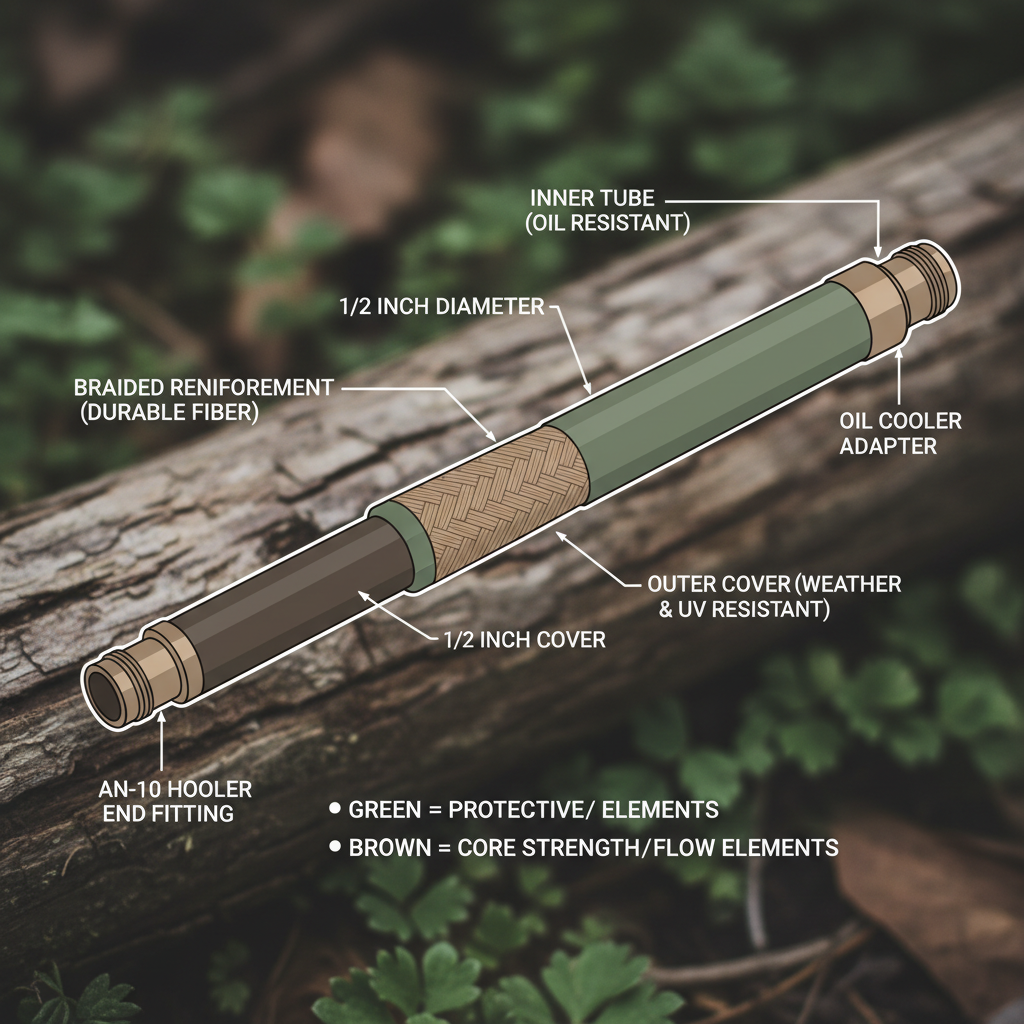
The Role of a 1 2 Inch Oil Cooler Hose
An oil cooler hose’s primary function is to circulate oil from the engine to the oil cooler and back. This process dissipates heat, preventing the oil from breaking down and losing its lubricating properties. A 1 2 inch diameter hose is a common size for many applications, offering a balance between flow rate and pressure drop. Choosing a hose constructed from high-quality materials, resistant to oil degradation and high temperatures, is essential. The hose needs to withstand constant pressure and exposure to corrosive fluids. Improperly sized or constructed hoses can lead to inefficient cooling, overheating, and potentially catastrophic engine failure. A robust and reliable oil cooler hose is a critical investment in engine health.
Key Benefit: Efficient heat dissipation, preventing oil breakdown and maintaining optimal engine lubrication.
Applications of 1 2 Inch Oil Cooler Hoses
The 1 2 inch oil cooler hose finds extensive use across various industries. In the automotive sector, it’s commonly found in turbocharged vehicles, high-performance engines, and heavy-duty trucks where cooling demands are significant. The marine industry utilizes these hoses in engine cooling systems for boats and ships. Industrial machinery, particularly those operating under heavy loads, also rely on efficient oil cooling facilitated by these hoses. Motorcycles, ATVs, and other powersports vehicles are additional applications. Kemohose caters to these diverse sectors, providing tailored solutions for specific applications.
Common Applications:
• Automotive (Turbocharged Engines)
• Marine (Boat and Ship Engines)
• Industrial Machinery
• Powersports (Motorcycles, ATVs)
Choosing the Right 1 2 Inch Oil Cooler Hose: Material Matters
The material composition of a 1 2 inch oil cooler hose significantly impacts its performance and longevity. Common materials include nitrile rubber, silicone, and fluoropolymer. Nitrile rubber is cost-effective and offers good oil resistance. Silicone provides superior heat resistance and flexibility. Fluoropolymer boasts exceptional chemical resistance, making it ideal for harsh environments. Consider the operating temperature, oil type, and exposure to chemicals when selecting a material. Kemohose offers hoses crafted from various materials to meet diverse requirements.
Why Choose Kemohose for Your Oil Cooler Hose Needs?
Kemohose specializes in high-performance hose solutions, including a comprehensive range of 1 2 inch oil cooler hoses. We prioritize quality, durability, and reliability. Our hoses are manufactured using premium materials and undergo rigorous testing to ensure they meet or exceed industry standards. We also offer custom hose assemblies to cater to specific application requirements. With competitive pricing and exceptional customer service, Kemohose is your trusted partner for oil cooler hose solutions.

Maintaining Your 1 2 Inch Oil Cooler Hose
Regular inspection of your 1 2 inch oil cooler hose is crucial for preventing failures. Check for signs of cracking, swelling, or abrasion. Ensure the hose is securely clamped and free from kinks. Replace the hose immediately if any damage is detected. Following these maintenance tips will extend the life of your hose and ensure optimal engine cooling. Preventative maintenance is always more cost-effective than dealing with the consequences of a failed oil cooler hose. Kemohose can provide guidance on proper hose maintenance.
Conclusion: Investing in Quality for Long-Term Performance
Selecting the right 1 2 inch oil cooler hose is a critical investment in engine reliability and longevity. By understanding the factors discussed in this article and choosing a reputable supplier like Kemohose, you can ensure optimal cooling performance and prevent costly engine damage.
Frequently Asked Questions (FAQs)
What is the typical service life of an oil cooler hose?
The service life of an oil cooler hose varies depending on operating conditions, oil type, and hose material. Generally, hoses should be inspected annually and replaced every 3-5 years, or sooner if any signs of degradation are observed. Factors like frequent exposure to high temperatures, aggressive chemicals, or physical abrasion can shorten the lifespan. Regular inspection and preventative maintenance are key to maximizing the life of your oil cooler hose. Investing in a high-quality hose from Kemohose can provide increased durability and reliability.
What causes oil cooler hoses to fail?
Common causes of oil cooler hose failure include heat degradation, chemical attack from the oil itself, physical abrasion, and kinking. Constant exposure to high temperatures can cause the hose material to become brittle and crack. Oil contamination and aggressive additives can also accelerate degradation. Physical damage, such as rubbing against other engine components, can wear through the hose wall. Proper hose routing and protection can help prevent these failures.
Can I use a different size hose if a 1 2 inch isn't available?
Using a hose size other than the specified 1 2 inch is generally not recommended. Changing the hose diameter can significantly affect oil flow rate and cooling efficiency. A smaller diameter will restrict flow, potentially leading to overheating. A larger diameter may reduce pressure and not provide adequate cooling. Always use the correct hose size recommended by the engine manufacturer. Kemohose stocks a wide range of sizes and can help you find the correct hose for your application.
What are the signs that my oil cooler hose needs replacing?
Signs that your oil cooler hose needs replacing include visible cracks, swelling, stiffness, or oil leaks. If the hose feels brittle or shows signs of deterioration, it should be replaced immediately. A noticeable decrease in oil pressure or an increase in engine temperature can also indicate a hose failure. Regular visual inspections are the best way to identify potential problems before they lead to serious engine damage.
Latest news
-
Transmission Oil Cooler Pipe Maintenance and Selection Guide
NewsApr.16,2026
-
Ultimate Guide to Choosing Transmission Oil Cooler Line Hose
NewsApr.09,2026
-
Essential Guide to Transmission Oil Cooler Hose 5/16 for Vehicle Longevity
NewsApr.07,2026
-
Understanding the Critical Role of Transmission Oil Cooler Hose 1 2 for Vehicle Longevity
NewsApr.04,2026
-
Understanding Transmission Oil Coolant Lines For Optimal Vehicle Performance
NewsMar.31,2026
-
Comprehensive Guide to Oil Coolant Pipe Selection and Industrial Applications
NewsMar.28,2026