
High-Quality Heating Oil Hose | Durable and Reliable Solutions
Sep . 12, 2024 01:56 Back to list
High-Quality Heating Oil Hose | Durable and Reliable Solutions
Understanding Heating Oil Hoses Essential Components for Efficient Fuel Delivery
Heating oil hoses are critical components in the heating oil delivery system, designed to transport fuel safely and efficiently from storage tanks to heating systems. In regions with cold climates, heating oil is a primary source of warmth, making the reliability of the entire fuel supply system paramount. This article delves into the intricacies of heating oil hoses, their construction, types, and maintenance to ensure optimal operation.
Construction and Materials
Heating oil hoses are specifically engineered to withstand the unique demands of transporting heating oil. They are typically constructed from durable materials such as rubber or synthetic polymers, which provide resistance to oil and temperature variations. These materials are chosen for their ability to prevent leaks and maintain flexibility under low temperatures, ensuring that the hose remains operational even in freezing conditions.
A typical heating oil hose is reinforced with braided or spiraled layers of fabric or steel, which enhances its strength and pressure resistance. This reinforcement is crucial, as heating oil hoses often operate under significant pressure, particularly during fuel delivery. The inner lining is designed to withstand direct contact with heating oil, while the outer layer protects the hose from environmental factors such as UV rays, abrasion, and chemical exposure.
Types of Heating Oil Hoses
There are two main types of hoses used for heating oil applications suction hoses and discharge hoses.
heating oil hose
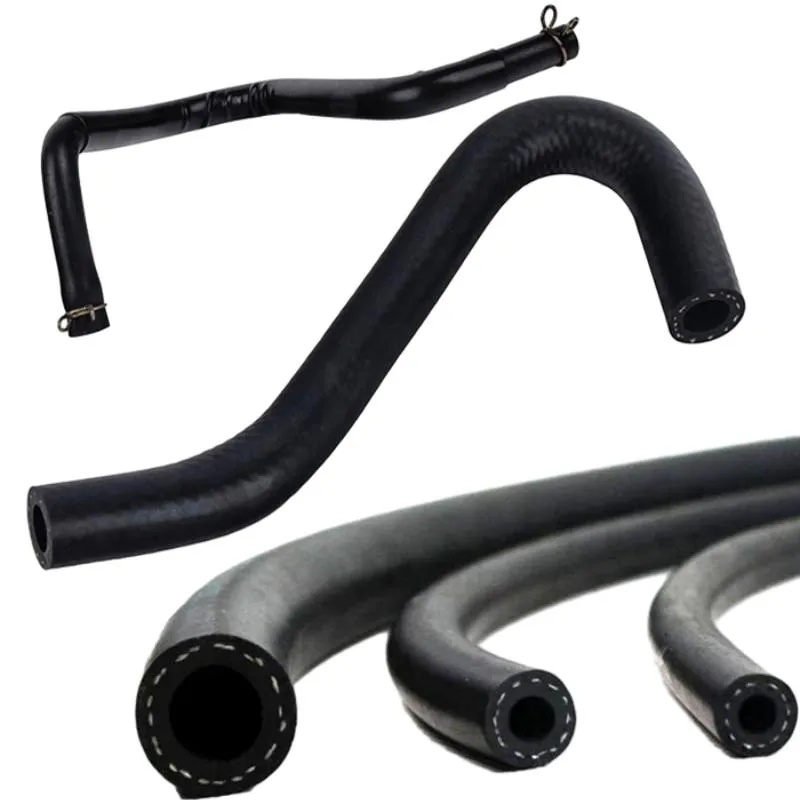
1. Suction Hoses These hoses transport heating oil from the storage tank to the delivery pump. They are typically designed to handle the vacuum created when oil is drawn from the tank. Suction hoses must be flexible and lightweight to facilitate easy installation and maneuvering.
2. Discharge Hoses These hoses carry the heating oil from the pump to the heating system or directly into the home’s oil tank. They are constructed to handle higher pressure since they are used in the pressurization process during delivery. Discharge hoses need to be sturdy enough to prevent kinks or collapses, which can disrupt oil flow.
Maintenance and Safety
Regular maintenance of heating oil hoses is critical to prevent leaks, environmental hazards, and costly fuel loss. Homeowners and service technicians should perform routine inspections to check for signs of wear and tear, such as cracks, abrasions, or soft spots. If any damage is discovered, the affected sections of the hose should be replaced immediately.
Additionally, proper storage of heating oil hoses is essential. They should be coiled neatly and stored in a dry, shaded area to avoid exposure to extreme weather conditions and direct sunlight. Hoses left outside can degrade more quickly, leading to safety hazards.
Conclusion
Heating oil hoses play an essential role in ensuring that heating oil is delivered efficiently and safely from storage tanks to heating systems. Understanding their construction, types, and maintenance requirements allows homeowners and fuel service providers to implement best practices for their use. By prioritizing the integrity of heating oil hoses, one can ensure a reliable heating solution during the cold months, safeguarding homes against the chill while maintaining environmental safety. Whether you are involved in heating oil delivery or are a homeowner using heating oil, respecting and maintaining these vital components is key to an efficient heating system.
Latest news
-
Seven-Layer Type C A/C Hose-HEBEI KEMO AUTO PARTS TECHNOLOGY CO., LTD
NewsSep.02,2025
-
Seven-Layer Type C A/C Hose-HEBEI KEMO AUTO PARTS TECHNOLOGY CO., LTD|Low Permeability,Pulse-Resistance
NewsSep.02,2025
-
Seven-Layer A/C Hose-Hebei Kemo|Low Permeability & Aging Resistance
NewsSep.01,2025
-
Seven-Layer Type C A/C Hose - HEBEI KEMO AUTO PARTS TECHNOLOGY CO., LTD | Durability, Efficiency
NewsSep.01,2025
-
7-Layer Type C Automotive Air Conditioning Hose - KEMO
NewsSep.01,2025
-
Seven-Layer Type C A/C Hose-HEBEI KEMO AUTO PARTS TECHNOLOGY CO., LTD
NewsSep.01,2025