
fuel return hose
Sep . 19, 2024 12:47 Back to list
fuel return hose
The Importance of Fuel Return Hoses in Automotive Systems
In the complex world of automotive engineering, many components work together to ensure the efficient operation of vehicles. One crucial component that often goes unnoticed is the fuel return hose. While many drivers may not fully understand its function, the fuel return hose plays a vital role in the fuel delivery system, impacting performance, efficiency, and overall vehicle health.
What is a Fuel Return Hose?
The fuel return hose is a specialized tubing designed to transport excess fuel back to the fuel tank after it has passed through the engine. In a typical fuel injection system, the fuel pump sends fuel to the engine at high pressure. However, not all the fuel is consumed during combustion. The fuel return hose facilitates the return of this unused or excess fuel to maintain an optimal fuel level within the system, ensuring that the engine receives the correct amount needed for efficient operation.
How Does It Work?
When the engine is running, fuel is injected into the combustion chamber as required. As the engine operates, a portion of the fuel remains unused, particularly in situations where the engine operates at lower RPMs or when the vehicle is idling. The unused fuel travels through the fuel return line—a critical component of the fuel management system—where it is redirected back to the fuel tank. This process not only helps to manage the fuel pressure in the system but also prevents overheating of the fuel, which could lead to vapor lock and other performance issues.
Benefits of a Properly Functioning Fuel Return Hose
fuel return hose
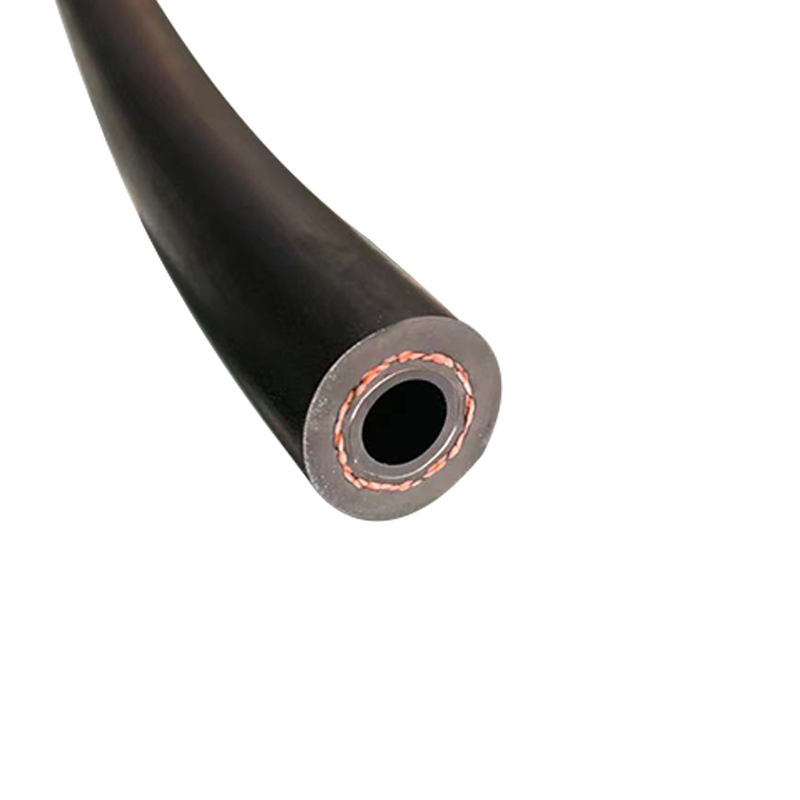
1. Engine Efficiency A well-maintained fuel return hose ensures that the engine receives the optimal amount of fuel necessary for combustion. When the return line functions correctly, it helps to maintain proper fuel pressure, which is essential for efficient engine performance.
2. Prevention of Fuel Contamination The return hose helps to cycle fuel back to the tank, reducing the chances of fuel becoming stale or contaminated. Regular circulation of fuel minimizes sediment buildup, which can compromise fuel quality over time.
3. Enhanced Performance A functioning fuel return system contributes to smoother engine operation and improved throttle response. When the fuel system is balanced, the engine can perform at its peak capacity, providing better acceleration and overall driving experience.
4. Longevity of Engine Components Proper fuel management via the return system reduces the strain on fuel injectors and other engine components, ultimately extending their lifespan and reducing maintenance costs.
Conclusion
While the fuel return hose may not be the most glamorous component within a vehicle, its importance cannot be overstated. Understanding its role in the fuel delivery system can help car owners appreciate the intricacies of automotive engineering and the significance of regular maintenance. Ensuring that the fuel return hose is in good condition—free from leaks, cracks, or blockages—can lead to a more efficient engine, better fuel economy, and a satisfying driving experience. For any vehicle owner, acknowledging the role of components like the fuel return hose is essential for fostering a deeper understanding of how their vehicle operates and the importance of regular maintenance for longevity and performance.
Latest news
-
Seven-Layer Type C A/C Hose-HEBEI KEMO AUTO PARTS TECHNOLOGY CO., LTD
NewsSep.02,2025
-
Seven-Layer Type C A/C Hose-HEBEI KEMO AUTO PARTS TECHNOLOGY CO., LTD|Low Permeability,Pulse-Resistance
NewsSep.02,2025
-
Seven-Layer A/C Hose-Hebei Kemo|Low Permeability & Aging Resistance
NewsSep.01,2025
-
Seven-Layer Type C A/C Hose - HEBEI KEMO AUTO PARTS TECHNOLOGY CO., LTD | Durability, Efficiency
NewsSep.01,2025
-
7-Layer Type C Automotive Air Conditioning Hose - KEMO
NewsSep.01,2025
-
Seven-Layer Type C A/C Hose-HEBEI KEMO AUTO PARTS TECHNOLOGY CO., LTD
NewsSep.01,2025