Look, I've been running around construction sites all year, getting my hands dirty with materials and talking shop with engineers. Car AC hose pipe manufacturing… it’s more than just rubber and fittings, you know? It's about keeping things cool when tempers—and engines—are flaring. These days, everyone’s chasing higher pressures and smaller diameters, squeezing more efficiency out of every inch. Seems simple, right? It’s not.
To be honest, the biggest trend I’m seeing is the demand for eco-friendly materials. Everyone wants to go “green,” but finding something that can handle the heat, the pressure, and the constant flexing of an engine compartment... that’s the tricky part. A lot of folks think they can just swap in a bio-based rubber, but it degrades faster, especially with newer refrigerants. I encountered this at a factory in Ningbo last time, they were so proud of their ‘eco-hose’ until it cracked after a month of testing.
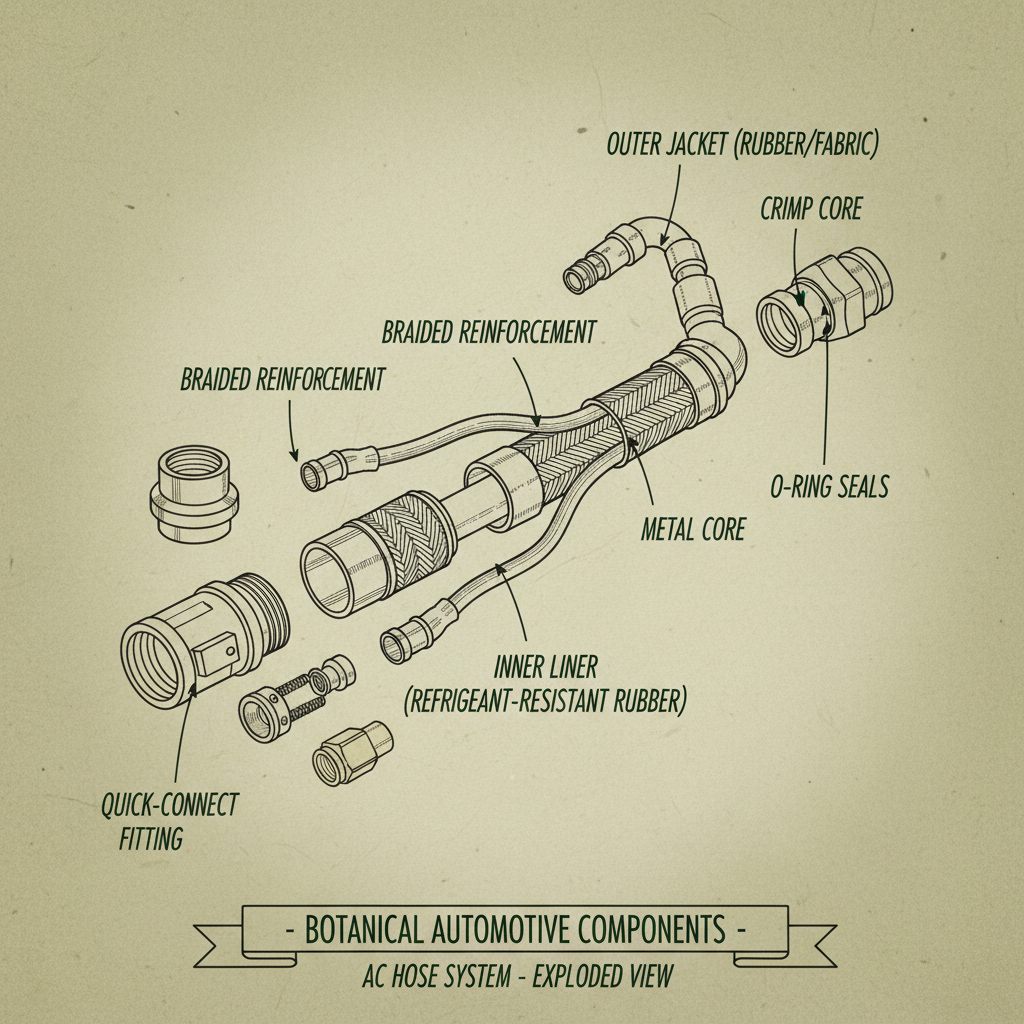
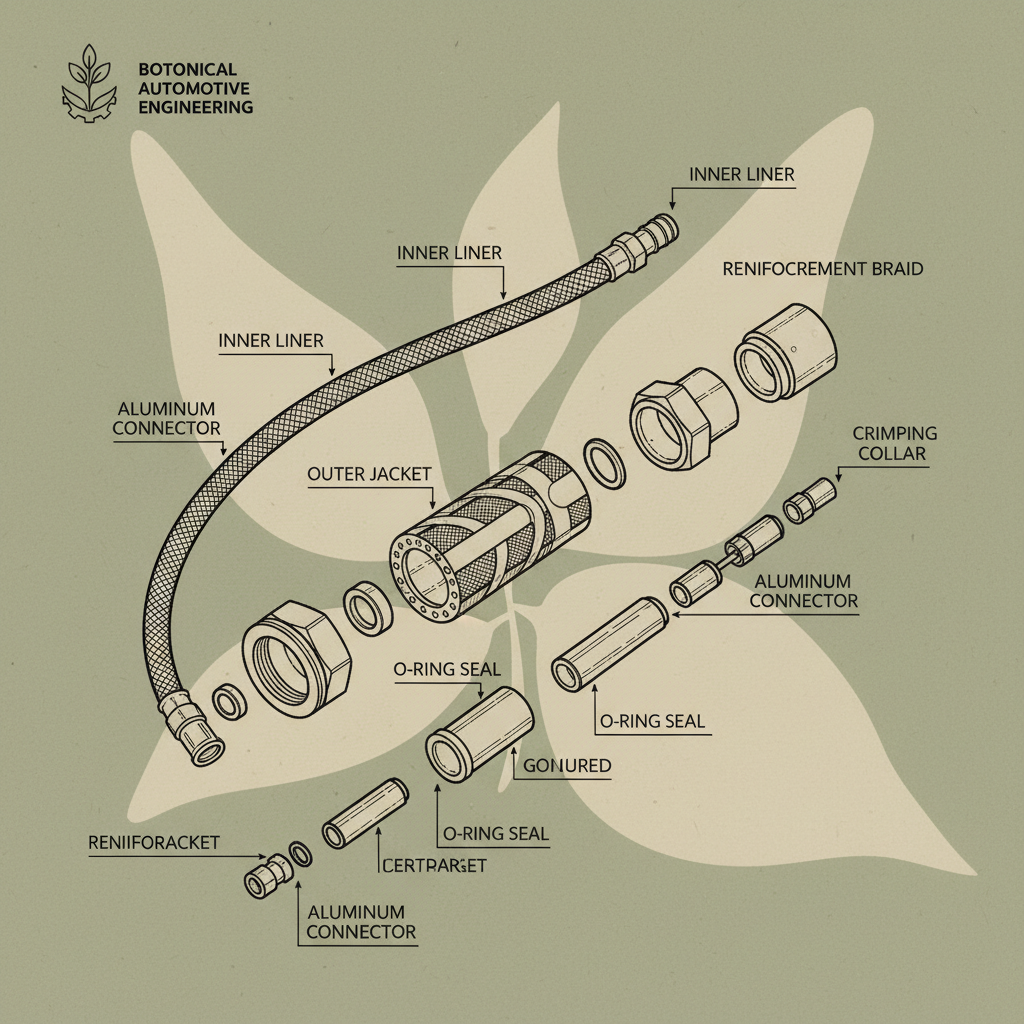
And another thing – don’t underestimate the importance of the braid. People focus on the rubber compound, but the reinforcement is where things really fall apart. You need the right weave, the right material – stainless steel is king, but even that varies in quality. Have you noticed how some stainless just feels… weaker? Strangel,y, that’s often the cheaper stuff.
Anyway, I think the biggest pitfall right now is chasing overly aggressive miniaturization without thinking about long-term durability. Everyone wants a thinner hose to save weight and space, but that often means sacrificing wall thickness and reinforcement. You end up with something that looks good on paper, but blows out after a year. And another thing, forgetting about vibration. Engines shake, you know? A hose that doesn't handle vibration will wear out fast.
Also, this whole “universal fit” idea? Yeah, right. Every car manufacturer has slightly different standards, different routing paths. Trying to make one hose fit everything is a recipe for leaks and headaches.
Honestly, it depends. A lot. But generally, expect anywhere from 5 to 10 years. It really comes down to the material, the climate, and how well the car is maintained. If you live in a hot, dusty environment, or if you rarely service your AC system, it’s going to be on the lower end of that scale. Look for cracks, leaks, or swelling – those are all signs it’s time for a replacement.
I wouldn't recommend it, unless you're a trained technician with the right tools. AC systems operate under high pressure, and a botched repair can be dangerous. You’re better off taking it to a professional. Trying to patch a hose with tape or sealant is just a temporary fix, and it’s likely to fail again. Plus, you’ll probably end up causing more damage in the process.
EPDM is your standard, all-around performer. It’s affordable and works well in most applications. HNBR is a step up in terms of heat and chemical resistance, making it a better choice for high-performance vehicles or those exposed to harsh environments. HNBR is more expensive, but it will last longer and hold up better under stress. It's a tradeoff between cost and durability.
Critically important! The braiding provides the hose’s strength and resistance to bursting. Stainless steel is the gold standard, offering the best durability and corrosion resistance. Polyester braiding is cheaper, but it’s not as strong. Aramid braiding (like Kevlar) offers a good balance of strength and weight. Don’t skimp on the braiding – it’s what keeps the hose from exploding.
Look for a manufacturer with a solid reputation, good quality control processes, and a wide range of products. Ask about their testing procedures and their material sourcing. Don’t be afraid to ask for samples and test them yourself. A good manufacturer will be happy to provide you with the information you need to make an informed decision. And, honestly, visit their factory if you can.
ISO 9001 is a good starting point, indicating a commitment to quality management. Some manufacturers also have certifications specific to the automotive industry, like IATF 16949. These certifications demonstrate that the manufacturer meets rigorous standards for product development, manufacturing, and continuous improvement. It shows they’re taking things seriously.
So, there you have it. Car AC hose pipe manufacturing is a surprisingly complex business. It’s not just about making a rubber tube. It’s about understanding materials, pressures, temperatures, and the realities of the automotive environment. It’s about balancing cost, durability, and performance.
Ultimately, whether this thing works or not, the worker will know the moment he tightens the screw. You can have the fanciest materials and the most sophisticated design, but if the hose doesn’t fit properly or the crimp is bad, it’s going to leak. And that's just the way it is. If you're looking for reliable car AC hose pipes, check out kemohose.com.