
Comprehensive Guide to Petroleum Hose Selection and Safe Operation
Feb . 26, 2026 02:05 Back to list
Comprehensive Guide to Petroleum Hose Selection and Safe Operation
Understanding Petroleum Hose: A Comprehensive Guide
Petroleum hose plays a vital role in the safe and efficient transfer of fuel and other petroleum products across various industries. Selecting the right hose is crucial for preventing leaks, ensuring compatibility with the specific fluid being transferred, and maintaining operational safety. This article dives deep into the world of petroleum hose, covering types, applications, key considerations, and best practices. Whether you're involved in fuel delivery, oil exploration, or industrial processing, this guide will provide valuable insights. Understanding the nuances of petroleum hose construction and specifications is fundamental to avoiding costly errors and ensuring regulatory compliance.

Types of Petroleum Hose
Petroleum hoses are not one-size-fits-all. They are categorized based on their construction materials, pressure ratings, and the types of petroleum products they are designed to handle. Common types include: Rubber hoses, often reinforced with fabric or wire braiding, offering flexibility and good resistance to abrasion. PTFE (Teflon) hoses, known for their excellent chemical resistance and ability to handle high temperatures. Composite hoses, combining layers of different materials to achieve specific performance characteristics. Selecting the appropriate type depends on the specific application and the properties of the fluid being transferred. Consider the required temperature range, pressure levels, and chemical compatibility to ensure optimal performance and safety. Explore the diverse range of options available at Kemohose.com to find the perfect solution for your needs.
Key Highlights: Different hose types offer varied levels of chemical resistance, temperature tolerance, and pressure handling capabilities. Careful evaluation of these factors is essential for selecting the right hose for your specific application.
Applications of Petroleum Hose
The applications for petroleum hose are widespread and diverse. Fuel delivery trucks rely heavily on specialized hoses for the safe and efficient transfer of gasoline, diesel, and other fuels. Oil refineries utilize robust hoses for transferring crude oil and refined products throughout the processing facility. Marine operations employ flexible hoses for bunkering (fueling ships) and loading/unloading petroleum products. Agricultural applications also require petroleum hoses for fueling farm equipment. In addition, industries like mining and construction frequently use these hoses for powering machinery. Choosing a hose specifically designed for the intended application ensures long-term reliability and minimizes the risk of leaks or failures.
Application-Specific Considerations:
• Fuel delivery requires hoses with specific compatibility for gasoline, diesel, and ethanol blends.
• Marine applications demand hoses that are resistant to saltwater and UV exposure.
• Refinery operations necessitate hoses capable of handling high temperatures and aggressive chemicals.
Key Considerations When Selecting a Petroleum Hose
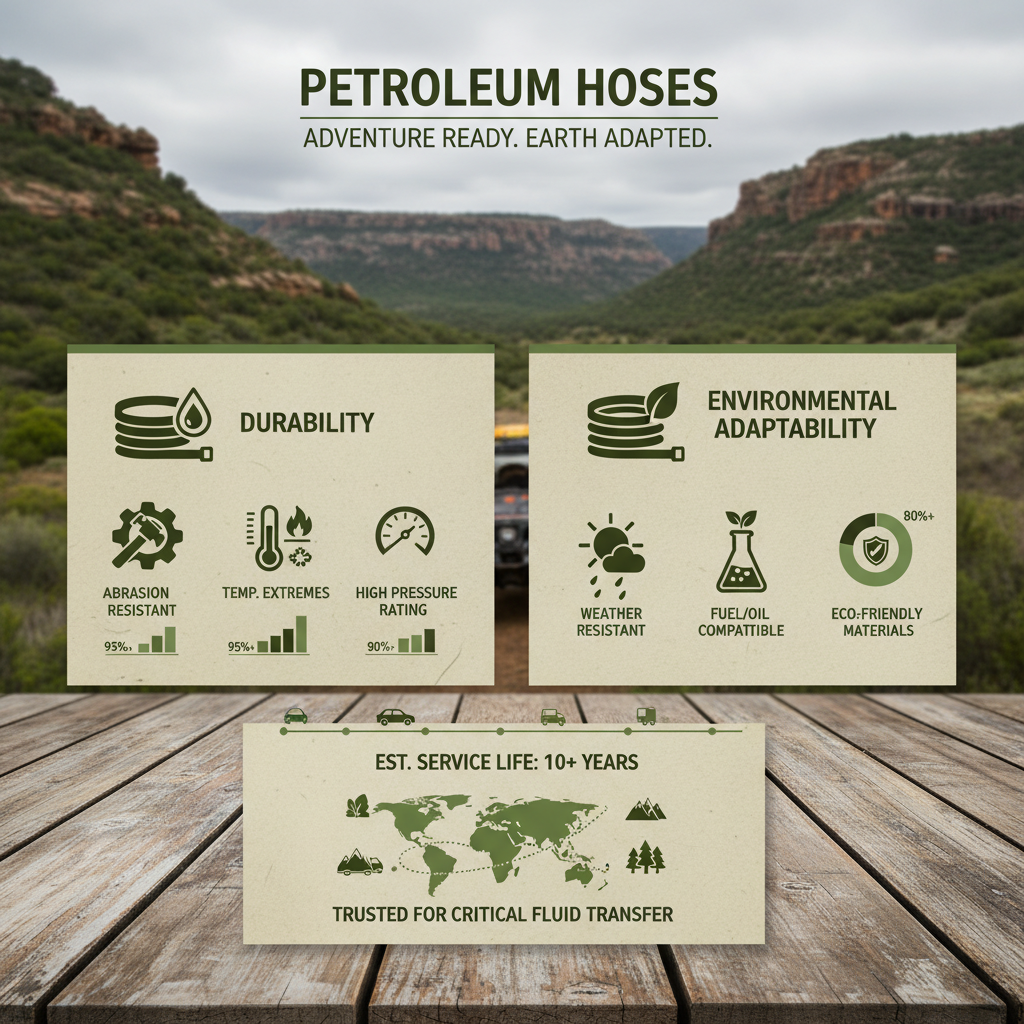
Several factors must be considered when selecting the right petroleum hose. Chemical compatibility is paramount – the hose material must be resistant to the specific fuel or petroleum product being transferred. Pressure rating should exceed the maximum anticipated pressure to ensure safety. Temperature range needs to accommodate the operating temperature of the fluid and the ambient environment. Abrasion resistance is important for applications where the hose may be exposed to rough surfaces. Regulatory compliance with standards like SAE J30BL is essential for safety and legal reasons. Don't compromise on quality – choose hoses from reputable manufacturers like Kemohose to ensure long-lasting performance and reliability.
Maintaining Your Petroleum Hose for Longevity
Proper maintenance is vital for extending the life of your petroleum hose and preventing costly failures. Regularly inspect the hose for cracks, abrasions, or leaks. Avoid kinking or twisting the hose, as this can damage the reinforcement layers. Store the hose in a cool, dry place, away from direct sunlight and extreme temperatures. After each use, thoroughly drain the hose to prevent residual fuel from corroding the interior. Implement a schedule for routine hose replacement based on usage and environmental conditions. Following these simple maintenance steps will ensure reliable performance and maximize the return on your investment. For detailed maintenance recommendations, consult the manufacturer's guidelines.
Choosing the Right Supplier: Kemohose
Selecting a reputable supplier is as important as choosing the right hose. Kemohose is a leading provider of high-quality petroleum hoses, offering a wide range of products to meet diverse application needs. We pride ourselves on providing expert technical support, competitive pricing, and prompt delivery. Our team of experienced professionals can help you select the optimal hose for your specific requirements. We are committed to providing our customers with safe, reliable, and long-lasting solutions. Contact us today to learn more about our comprehensive petroleum hose offerings.
Conclusion: Ensuring Safety and Efficiency with Quality Petroleum Hoses
Investing in high-quality petroleum hose is a critical step in ensuring the safe and efficient transfer of fuel and other petroleum products. By carefully considering the factors outlined in this guide and choosing a trusted supplier like Kemohose, you can minimize risks, optimize performance, and protect your investment. Don't compromise on quality – choose reliability and peace of mind.
Frequently Asked Questions (FAQs)
What is the lifespan of a typical petroleum hose?
The lifespan of a petroleum hose varies depending on factors like usage frequency, exposure to UV radiation, the type of fuel being transferred, and proper maintenance. Generally, a hose should be inspected annually and replaced every 3-5 years, or sooner if signs of wear or damage are observed. Hoses used for corrosive fuels may require more frequent replacement. Regular visual inspections and adherence to manufacturer recommendations are crucial for maximizing hose lifespan and ensuring safety.
How do I identify the correct hose for gasoline transfer?
Gasoline requires hoses specifically designed to resist the corrosive effects of gasoline and its additives, including ethanol. Look for hoses labeled “Gasoline Resistant” or compliant with SAE J30BL standards. These hoses typically feature inner tubes made of materials like nitrile rubber or PTFE. It’s crucial to verify the hose's compatibility with the specific gasoline blend (e.g., E10, E85) being used. Never use a hose not rated for gasoline, as it can lead to leaks, fuel degradation, and potential fire hazards.
What are the key safety precautions when using petroleum hose?
Always ground the hose and equipment to prevent static electricity buildup, especially when transferring flammable fuels. Inspect the hose for damage before each use. Avoid kinking or twisting the hose. Use the correct fittings and clamps to ensure a secure connection. Never exceed the hose’s maximum pressure rating. Avoid dragging the hose over sharp objects. Have a spill containment plan in place. Always wear appropriate personal protective equipment (PPE), such as gloves and safety glasses.
Where can I find detailed specifications for Kemohose petroleum hoses?
Detailed specifications for all Kemohose petroleum hoses are readily available on our website, www.kemoautohose.com. You can find product datasheets, technical drawings, and performance characteristics for each hose model. Our team of experts is also available to answer your questions and provide personalized recommendations. Don't hesitate to contact us for assistance in selecting the perfect hose for your application.
Latest news
-
Transmission Oil Cooler Pipe Maintenance and Selection Guide
NewsApr.16,2026
-
Ultimate Guide to Choosing Transmission Oil Cooler Line Hose
NewsApr.09,2026
-
Essential Guide to Transmission Oil Cooler Hose 5/16 for Vehicle Longevity
NewsApr.07,2026
-
Understanding the Critical Role of Transmission Oil Cooler Hose 1 2 for Vehicle Longevity
NewsApr.04,2026
-
Understanding Transmission Oil Coolant Lines For Optimal Vehicle Performance
NewsMar.31,2026
-
Comprehensive Guide to Oil Coolant Pipe Selection and Industrial Applications
NewsMar.28,2026