
Comprehensive Guide to Oil Cooler Tubes for Industrial Applications
Mar . 03, 2026 18:25 Back to list
Comprehensive Guide to Oil Cooler Tubes for Industrial Applications
Understanding Oil Cooler Tubes: A Comprehensive Guide
Oil cooler tubes are critical components in many industrial applications, ensuring optimal engine or machinery performance by regulating oil temperature. At Kemohose, we specialize in providing high-quality, durable oil cooler tubes designed to withstand demanding conditions. This article delves into the function, materials, applications, and selection criteria for oil cooler tubes, providing a thorough understanding for professionals and procurement specialists. Effective cooling is vital for extending the lifespan and efficiency of valuable equipment; choosing the right oil cooler tube is a crucial step in preventative maintenance.

What is an Oil Cooler Tube and Why is it Important?
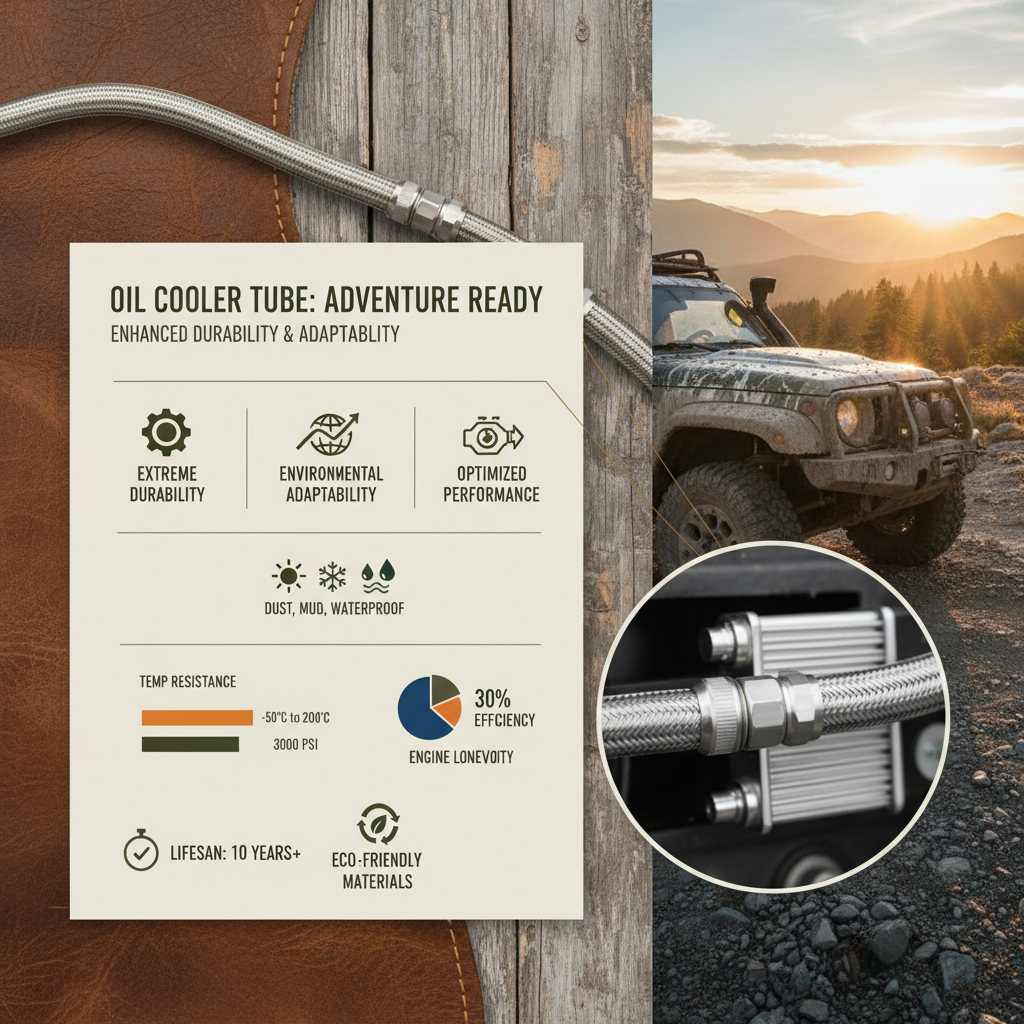
An oil cooler tube is a conduit designed to transport oil to and from an oil cooler, facilitating heat dissipation. This process is vital for maintaining oil viscosity and preventing overheating, which can lead to engine damage or reduced machinery efficiency. Without effective cooling, oil can degrade rapidly, losing its lubricating properties and potentially causing catastrophic failure. The tubes are typically constructed from materials chosen for their thermal conductivity, corrosion resistance, and ability to withstand high pressures. These tubes are integral parts of many industrial systems.
Key Benefits: Prevent overheating, extend oil lifespan, maintain oil viscosity, improve engine/machinery efficiency, and reduce the risk of costly repairs.
Materials Used in Oil Cooler Tube Construction
The choice of material for an oil cooler tube is paramount, dictated by the operating temperature, pressure, and the type of oil being circulated. Common materials include stainless steel (304, 316), carbon steel with protective coatings, aluminum, and specialized alloys. Stainless steel offers excellent corrosion resistance and strength, making it ideal for harsh environments. Aluminum provides good thermal conductivity and is lightweight, while carbon steel is a cost-effective option when properly coated to prevent corrosion. Selecting the appropriate material directly impacts the tube's longevity and performance. Kemohose offers tubes in a variety of materials to meet diverse application requirements.
Applications of Oil Cooler Tubes
Oil cooler tubes find application in a wide array of industries. These include automotive engines, hydraulic systems, industrial machinery, marine engines, and power generation equipment. In automotive applications, they are critical for maintaining engine temperature during high-performance driving. Hydraulic systems rely on oil cooler tubes to prevent overheating of hydraulic fluid, ensuring smooth and reliable operation. In industrial settings, they are used in a variety of machinery to regulate oil temperature and prevent premature wear. The versatility of these tubes makes them essential components in numerous processes.
Key Application Areas:
• Automotive Engines
• Hydraulic Systems
• Industrial Machinery
• Marine Engines
Oil Cooler Tube Selection: Key Considerations
Selecting the right oil cooler tube requires careful consideration of several factors. These include operating temperature, pressure requirements, oil type, environmental conditions, and tube diameter. It's crucial to choose a material that is compatible with the oil being used to prevent corrosion or degradation. The tube diameter must be sufficient to handle the flow rate of the oil without causing excessive pressure drop. Kemohose offers expert advice and a range of tubes to meet specific application needs. Proper selection ensures optimal performance and longevity.
Why Choose Kemohose for Your Oil Cooler Tube Needs?
At Kemohose, we pride ourselves on delivering high-quality oil cooler tubes, exceptional customer service, and competitive pricing. We offer a wide selection of materials and sizes to meet diverse application requirements. Our experienced team provides expert guidance to help you select the optimal tube for your specific needs. We are committed to providing reliable, durable solutions that enhance the performance and longevity of your equipment.
Conclusion: Ensuring Optimal Performance with Reliable Oil Cooler Tubes
Investing in high-quality oil cooler tubes from a trusted supplier like Kemohose is crucial for maintaining the efficiency and longevity of your valuable equipment. By understanding the factors that influence tube selection and choosing the right materials for your application, you can minimize downtime, reduce maintenance costs, and maximize performance. Contact us today to discuss your specific needs and find the perfect solution.
Frequently Asked Questions (FAQs)
What is the typical lifespan of an oil cooler tube?
The lifespan of an oil cooler tube varies depending on factors such as operating conditions, fluid type, and material quality. Generally, a well-maintained tube can last between 5 to 10 years. However, regular inspections are crucial to identify any signs of corrosion, wear, or damage. Factors that can shorten the lifespan include exposure to corrosive fluids, high operating temperatures, and excessive pressure. Replacing the tube proactively can prevent costly equipment failures. Contact Kemohose for recommendations tailored to your specific application.
What are the signs that an oil cooler tube needs to be replaced?
Several signs indicate the need for oil cooler tube replacement. These include visible corrosion, leaks, cracks, bulges, or discoloration. Reduced oil flow, overheating of the oil, and increased pressure drop are also indicators of a failing tube. If you observe any of these symptoms, it's crucial to inspect the tube immediately and replace it if necessary to prevent further damage to your equipment.
Can oil cooler tubes be repaired, or is replacement the only option?
While minor damage might be repairable in some cases, replacement is generally the recommended option for oil cooler tubes. Repairs can compromise the structural integrity of the tube and increase the risk of future failures. Given the critical role these tubes play in maintaining equipment performance, a complete replacement ensures long-term reliability and prevents costly downtime.
What are the benefits of using stainless steel oil cooler tubes?
Stainless steel oil cooler tubes offer superior corrosion resistance, making them ideal for harsh environments. They also provide excellent strength and durability, ensuring a long service life. While they may be more expensive than other materials, their longevity and reliability often make them a cost-effective choice in the long run.
Latest news
-
Transmission Oil Cooler Pipe Maintenance and Selection Guide
NewsApr.16,2026
-
Ultimate Guide to Choosing Transmission Oil Cooler Line Hose
NewsApr.09,2026
-
Essential Guide to Transmission Oil Cooler Hose 5/16 for Vehicle Longevity
NewsApr.07,2026
-
Understanding the Critical Role of Transmission Oil Cooler Hose 1 2 for Vehicle Longevity
NewsApr.04,2026
-
Understanding Transmission Oil Coolant Lines For Optimal Vehicle Performance
NewsMar.31,2026
-
Comprehensive Guide to Oil Coolant Pipe Selection and Industrial Applications
NewsMar.28,2026