
Comprehensive Guide to Automatic Transmission Oil Cooler Hose Selection and Maintenance
Mar . 17, 2026 02:05 Back to list
Comprehensive Guide to Automatic Transmission Oil Cooler Hose Selection and Maintenance
Understanding and Choosing the Right Automatic Transmission Oil Cooler Hose
Maintaining a healthy automatic transmission is crucial for vehicle longevity and performance. A vital component in this system is the automatic transmission oil cooler hose, responsible for circulating transmission fluid to dissipate heat. Selecting the correct hose is paramount to prevent leaks, ensure optimal cooling, and avoid costly transmission damage. This guide will provide a comprehensive overview of these hoses, covering their types, materials, key considerations when choosing, and where to find high-quality options. Proper hose maintenance directly contributes to a smoother, more reliable driving experience.

Types of Automatic Transmission Oil Cooler Hoses
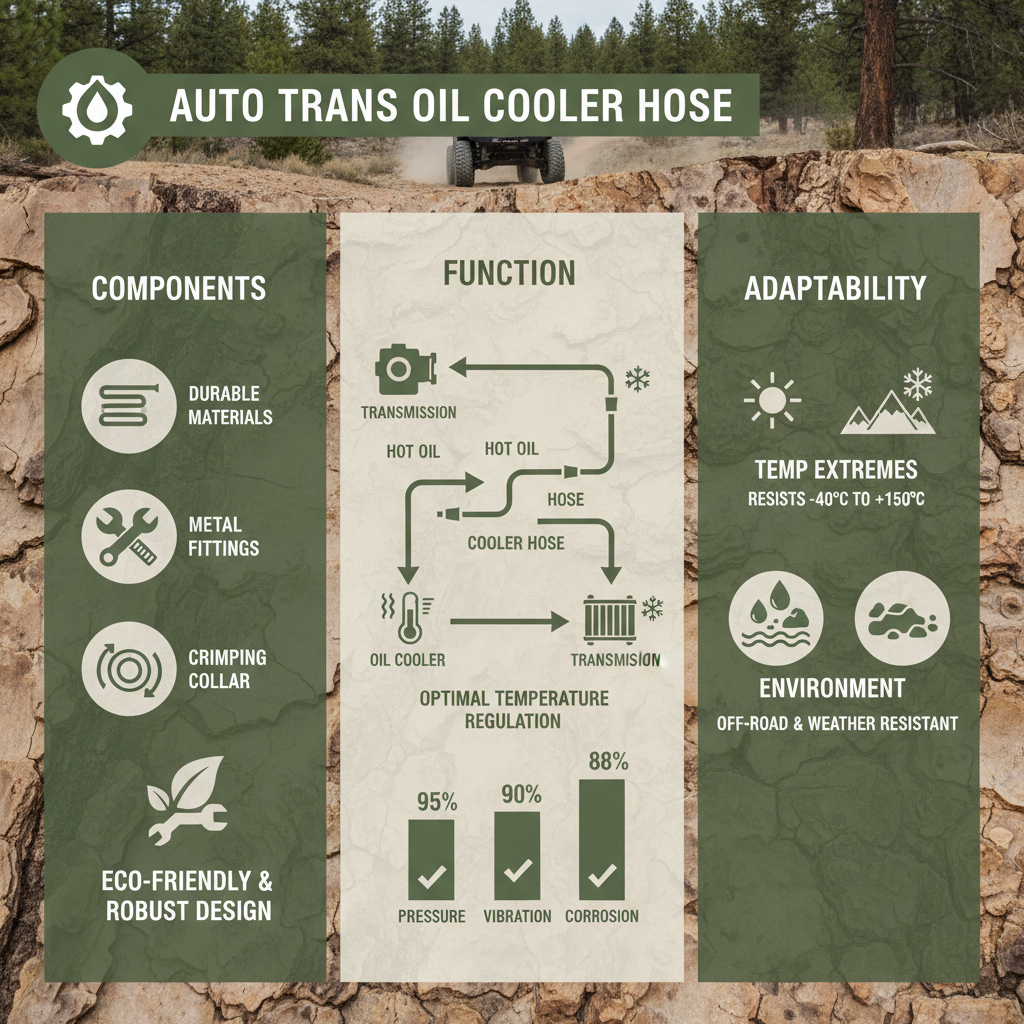
Automatic transmission oil cooler hoses aren’t one-size-fits-all. They come in various types, each designed for specific applications and vehicle models. The most common types include standard rubber hoses reinforced with fabric braiding, and more robust, high-performance hoses constructed from materials like fluoropolymer (PTFE) or multi-layered composite materials. Standard rubber hoses are typically used in older or less demanding applications. Fluoropolymer hoses offer superior resistance to heat, chemicals, and degradation, making them ideal for high-performance vehicles, towing, or racing. Knowing the specific requirements of your vehicle will help you determine the best hose type.
Key Considerations: Choosing the right hose type depends on factors like vehicle usage, transmission fluid type, and operating temperature. Prioritizing durability and compatibility will ensure long-term reliability.
Materials Used in Automatic Transmission Oil Cooler Hoses
The material composition of an automatic transmission oil cooler hose directly impacts its performance and longevity. Common materials include: Neoprene rubber, known for its general-purpose resistance to oil and heat; Nitrile rubber (NBR), offering excellent oil resistance; EPDM rubber, favored for its resistance to coolants and weathering; PTFE (Teflon), providing exceptional resistance to heat, chemicals, and pressure; and Stainless Steel braided reinforcements, enhancing burst strength and durability. Selecting a hose with the appropriate material for your transmission fluid and operating conditions is essential to prevent premature failure.
Material Comparison:
• Neoprene: General-purpose, good oil and heat resistance.
• Nitrile (NBR): Excellent oil resistance.
• EPDM: Coolant and weathering resistant.
• PTFE: Superior heat, chemical, and pressure resistance.
Choosing the Right Automatic Transmission Oil Cooler Hose
Selecting the correct automatic transmission oil cooler hose requires careful consideration of several factors. First, verify the hose's compatibility with your vehicle's make and model. Second, check the hose's pressure rating to ensure it can handle the transmission's operating pressure. Third, consider the operating temperature and choose a hose material that can withstand those temperatures without degradation. Finally, assess the hose's construction quality, looking for robust reinforcement and durable materials. A well-chosen hose will provide years of reliable service.
Signs of a Failing Automatic Transmission Oil Cooler Hose
Recognizing the signs of a failing hose can prevent more significant transmission damage. Common indicators include visible leaks around the hose connections or along the hose body, reduced transmission fluid levels, transmission slipping or erratic shifting, and overheating. If you notice any of these symptoms, it's crucial to inspect the hose and replace it if necessary. Ignoring these warning signs can lead to costly transmission repairs.
Where to Find High-Quality Automatic Transmission Oil Cooler Hoses
Sourcing reliable, high-quality automatic transmission oil cooler hoses is essential for long-term performance. Kemo Hose specializes in the manufacturing and supply of premium hoses for automotive applications. We offer a wide range of hoses, including PTFE and composite options, designed to meet the demanding requirements of modern transmissions. We prioritize quality materials, rigorous testing, and exceptional customer service.
Conclusion: Ensuring Transmission Health with the Right Hose
Choosing the right automatic transmission oil cooler hose is a critical investment in your vehicle's health. By understanding the different types, materials, and signs of failure, you can proactively prevent costly repairs and ensure a smooth, reliable driving experience. Kemo Hose is your trusted partner for high-quality hoses and expert advice.
Frequently Asked Questions (FAQs)
How often should I replace my automatic transmission oil cooler hose?
Generally, it's recommended to inspect your automatic transmission oil cooler hose every 30,000 to 50,000 miles. However, the lifespan can vary depending on driving conditions and hose material. If you frequently tow heavy loads, drive in extreme temperatures, or notice any signs of wear, consider replacing the hose sooner. Proactive replacement can prevent unexpected failures and costly transmission repairs. Using a high-quality hose from a reputable supplier like Kemo Hose can extend the hose's lifespan and provide peace of mind.
Can I repair a leaking automatic transmission oil cooler hose?
While minor leaks might be temporarily patched, it’s generally not recommended to repair an automatic transmission oil cooler hose. Transmission fluid is under pressure, and a patch is unlikely to withstand the stress for long. A failed patch could lead to a sudden and catastrophic loss of transmission fluid. The safest and most reliable option is to replace the hose entirely with a new, high-quality hose from a trusted supplier.
What type of transmission fluid is compatible with different hose materials?
Compatibility between transmission fluid and hose material is critical. Most modern transmission fluids are compatible with nitrile rubber (NBR) hoses. However, some fluids, particularly synthetic or high-performance fluids, can degrade rubber hoses over time. PTFE hoses offer the broadest compatibility and are generally recommended for all types of transmission fluids. Always check the hose manufacturer's specifications to ensure compatibility with your specific transmission fluid.
How do I know if the correct size hose is being installed?
Using the correct size hose is extremely important to prevent leaks and ensure proper fluid flow. Always refer to your vehicle's service manual or consult with a qualified mechanic to determine the correct hose diameter and length. Visually inspect the hose to ensure it fits snugly onto the transmission cooler fittings without being stretched or compressed. A properly sized hose will create a secure and leak-free connection.
Latest news
-
Transmission Oil Cooler Pipe Maintenance and Selection Guide
NewsApr.16,2026
-
Ultimate Guide to Choosing Transmission Oil Cooler Line Hose
NewsApr.09,2026
-
Essential Guide to Transmission Oil Cooler Hose 5/16 for Vehicle Longevity
NewsApr.07,2026
-
Understanding the Critical Role of Transmission Oil Cooler Hose 1 2 for Vehicle Longevity
NewsApr.04,2026
-
Understanding Transmission Oil Coolant Lines For Optimal Vehicle Performance
NewsMar.31,2026
-
Comprehensive Guide to Oil Coolant Pipe Selection and Industrial Applications
NewsMar.28,2026