
Comprehensive Guide to 1 2 Inch Transmission Hose Applications and Benefits
Mar . 07, 2026 02:05 Back to list
Comprehensive Guide to 1 2 Inch Transmission Hose Applications and Benefits
Understanding the Versatility of 1 2 Inch Transmission Hose
When it comes to fluid transfer in various industrial applications, selecting the right hose is critical. The 1 2 inch transmission hose is a popular choice known for its durability, flexibility, and compatibility with a wide range of fluids. This article will explore the key features, applications, and benefits of this hose, offering insights into why it's a trusted solution for professionals across diverse industries. Understanding the nuances of hose selection ensures optimal performance and long-term reliability.

Key Features of the 1 2 Inch Transmission Hose
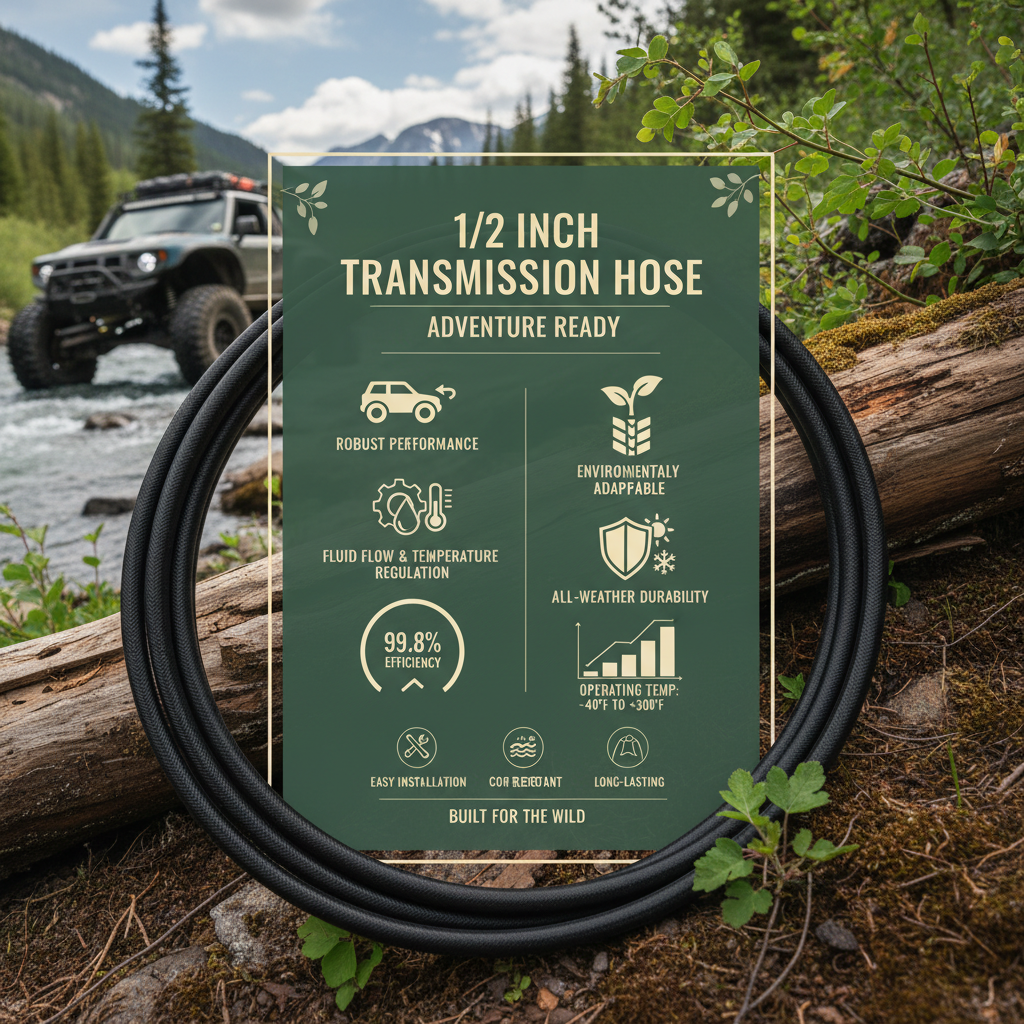
The 1 2 inch transmission hose boasts several key features that make it a preferred choice for many applications. Typically constructed from high-quality rubber or thermoplastic materials, these hoses offer excellent resistance to abrasion, chemicals, and extreme temperatures. The inner lining is designed to prevent fluid contamination and ensure a consistent flow rate. The reinforced construction, often utilizing braided fabric or spiral wire, provides the necessary strength to withstand high pressures. This combination of features makes it suitable for demanding environments and continuous operation. Kemo Hose offers a diverse selection of these hoses tailored to specific industry needs.
Key Highlights: Constructed from high-quality rubber or thermoplastic materials, offering excellent resistance to abrasion, chemicals, and extreme temperatures. Reinforced construction for high-pressure applications.
Applications of the 1 2 Inch Transmission Hose
The versatility of the 1 2 inch transmission hose makes it ideal for a wide array of applications. Common uses include fuel transfer, coolant circulation, hydraulic systems, and pneumatic tools. It's frequently employed in the automotive industry for fuel lines and radiator hoses. In industrial settings, it's used for transferring various fluids like oil, water, and compressed air. Agriculture benefits from its use in irrigation and fertilizer delivery systems. The 1 2 inch size offers a balance between flow capacity and manageability, making it a practical choice for many tasks.
Application Benefits:
• Fuel transfer in automotive and industrial settings
• Coolant circulation for temperature regulation
• Hydraulic and pneumatic systems for power transmission
• Irrigation and fertilizer delivery in agriculture
1 2 Inch Transmission Hose: Material Comparison
Different materials offer varying degrees of performance characteristics. Comparing rubber and thermoplastic hoses highlights these differences. Rubber hoses excel in flexibility and resistance to certain chemicals, while thermoplastic hoses provide superior abrasion resistance and temperature tolerance. Selecting the appropriate material is crucial for ensuring longevity and safe operation. Factors like the type of fluid being transferred, operating temperature, and pressure requirements should guide your decision.
Choosing the Right 1 2 Inch Transmission Hose: Key Considerations
Selecting the right 1 2 inch transmission hose requires careful consideration of several factors. First, identify the fluid being transferred. Ensure the hose material is compatible to prevent degradation and contamination. Second, determine the operating pressure and temperature. Choose a hose rated to exceed these parameters for a safety margin. Third, assess the environment. Consider potential exposure to abrasion, chemicals, or UV radiation. Finally, evaluate the length and flexibility requirements. Kemo Hose provides expert advice to assist you in making the best choice for your specific needs.
Product Specifications & Safety Standards
Our 1 2 inch transmission hoses adhere to stringent industry standards to ensure safety and reliability. These hoses are typically compliant with ISO standards, guaranteeing quality control throughout the manufacturing process. Key specifications include working pressure, burst pressure, temperature range, and material composition. Regular inspections and adherence to manufacturer guidelines are crucial for maintaining optimal performance and extending the lifespan of the hose.
Conclusion: Choosing the Right Hose for Optimal Performance
Selecting the correct 1 2 inch transmission hose is paramount for ensuring efficient and safe fluid transfer. By considering the application, fluid compatibility, pressure requirements, and environmental factors, you can maximize performance and minimize downtime. Kemo Hose offers a comprehensive range of high-quality hoses and expert support to help you make the right choice.
Frequently Asked Questions (FAQs)
What is the typical lifespan of a 1 2 inch transmission hose?
The lifespan of a 1 2 inch transmission hose varies depending on several factors, including the material, operating conditions, and frequency of use. Generally, a well-maintained hose can last between 3 to 7 years. However, regular inspection for cracks, abrasions, or leaks is essential. Harsh chemicals, extreme temperatures, and high pressures can significantly shorten the lifespan. Replacing the hose at the first sign of damage is crucial for preventing leaks and ensuring safety.
What materials are 1 2 inch transmission hoses commonly made from?
1 2 inch transmission hoses are commonly made from rubber, thermoplastic polymers (like PVC or polyethylene), or a combination of materials. Rubber hoses offer excellent flexibility and chemical resistance, while thermoplastic hoses are known for their durability and resistance to abrasion. The specific material chosen depends on the intended application and the type of fluid being transferred. At Kemo Hose, we offer hoses constructed from a variety of materials to meet diverse needs.
How do I determine the correct working pressure for my application?
Determining the correct working pressure is vital for safe and efficient operation. The working pressure should always be less than the hose's maximum rated pressure. Consider the maximum pressure generated by the system, including any pressure spikes or surges. It’s also good practice to incorporate a safety factor of at least 2:1. If you're unsure, consult with a hose specialist at Kemo Hose to ensure you select a hose that meets your specific requirements.
What safety precautions should I take when using a 1 2 inch transmission hose?
Always inspect the hose before each use for any signs of damage. Ensure all connections are secure and properly tightened. Avoid bending the hose sharply, as this can restrict flow and damage the material. Never exceed the hose’s maximum working pressure or temperature. Wear appropriate personal protective equipment (PPE), such as gloves and safety glasses, when handling fluids. Regularly maintain and replace the hose as needed to ensure continued safe operation.
Latest news
-
Transmission Oil Cooler Pipe Maintenance and Selection Guide
NewsApr.16,2026
-
Ultimate Guide to Choosing Transmission Oil Cooler Line Hose
NewsApr.09,2026
-
Essential Guide to Transmission Oil Cooler Hose 5/16 for Vehicle Longevity
NewsApr.07,2026
-
Understanding the Critical Role of Transmission Oil Cooler Hose 1 2 for Vehicle Longevity
NewsApr.04,2026
-
Understanding Transmission Oil Coolant Lines For Optimal Vehicle Performance
NewsMar.31,2026
-
Comprehensive Guide to Oil Coolant Pipe Selection and Industrial Applications
NewsMar.28,2026