
Choosing the Right Rubber Gas Line Hose for Safe Fuel Delivery
Jan . 27, 2026 21:25 Back to list
Choosing the Right Rubber Gas Line Hose for Safe Fuel Delivery
Choosing the Right Rubber Gas Line Hose: A Comprehensive Guide
When it comes to ensuring safe and efficient fuel delivery in various applications, the selection of a high-quality rubber gas line hose is paramount. These specialized hoses are designed to withstand the pressures and temperatures associated with flammable gases, making them crucial components in automotive, industrial, and even recreational settings. At Kemohose, we understand the critical importance of reliability and safety. This article will explore the key considerations when choosing a rubber gas line hose, covering material types, application requirements, and essential safety features.
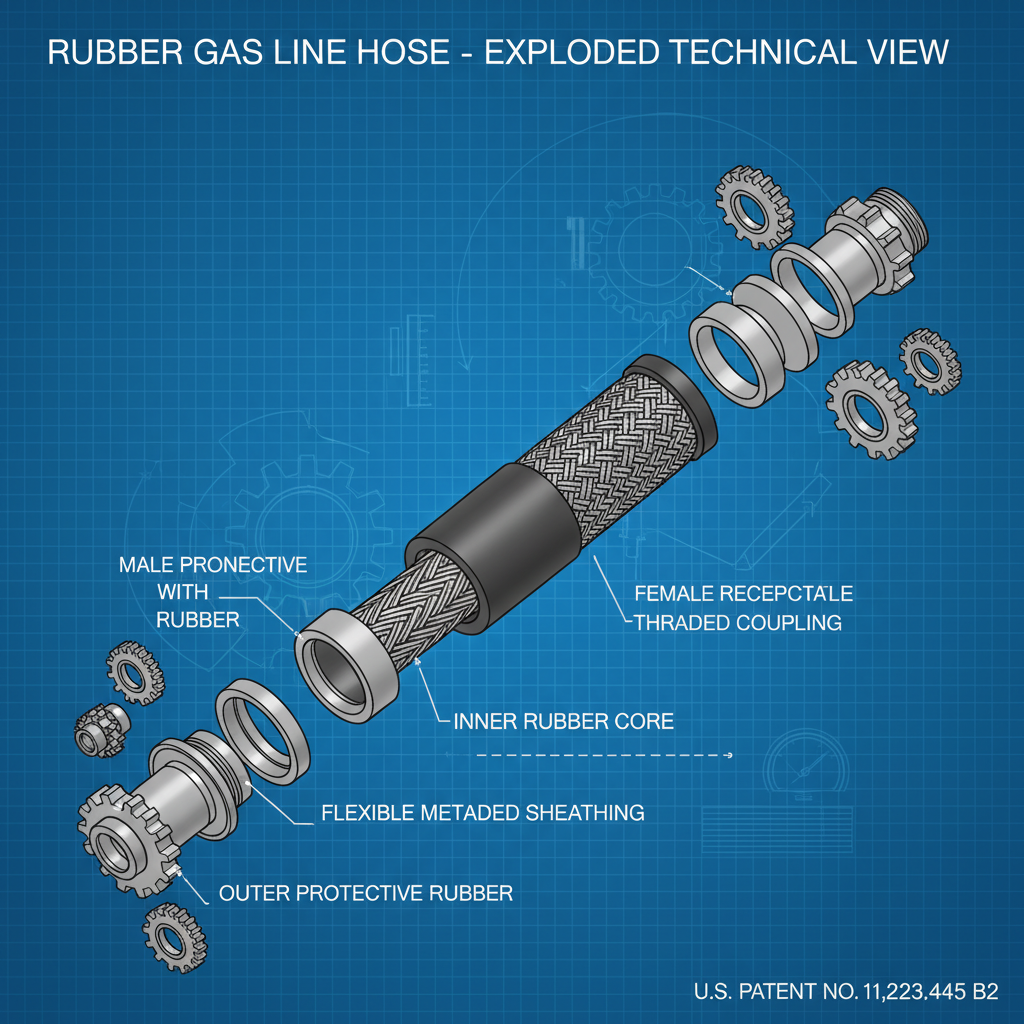
Understanding Rubber Gas Line Hose Materials
Rubber gas line hoses aren’t all created equal. Different rubber compounds offer varying levels of resistance to fuel types, temperature extremes, and pressure. Common materials include:
- Neoprene: Excellent resistance to oil, grease, and many chemicals, making it suitable for general-purpose gas line applications.
- Nitrile Rubber (NBR): Superior resistance to gasoline, diesel, and other petroleum-based fuels, commonly used in automotive fuel lines.
- EPDM Rubber: Offers excellent resistance to weathering, ozone, and heat, ideal for outdoor applications and exposure to harsh environmental conditions.
- Silicone Rubber: Provides exceptional temperature resistance, both high and low, and is often used in performance automotive applications.
Selecting the correct material is vital for ensuring long-term performance and preventing leaks or failures.
Key Considerations When Selecting a Rubber Gas Line Hose
Choosing the appropriate hose involves considering several factors beyond just the material. These include the type of fuel being conveyed, the operating pressure, temperature range, and the hose’s intended application. Incorrect specification can lead to premature failure, posing a significant safety risk. Here's a breakdown of important parameters:
- Fuel Compatibility: Ensure the hose material is fully compatible with the fuel type (gasoline, propane, natural gas, etc.).
- Pressure Rating: The hose must be able to withstand the maximum pressure of the system it will be used in.
- Temperature Range: The hose should operate safely within the expected temperature range of the application.
- Hose Diameter and Length: Correct sizing is critical for maintaining proper fuel flow.
- Reinforcement: Braided reinforcement adds strength and prevents kinking or collapsing under pressure.
Important Note: Always consult with a qualified professional to ensure the correct hose is selected for your specific application. Improper installation or selection can lead to hazardous situations.
Rubber Gas Line Hose Applications
Rubber gas line hoses are used in a diverse range of industries and applications, including:
- Automotive: Fuel lines, vapor recovery systems, and LPG/CNG conversions.
- Industrial: Gas distribution systems, welding and cutting equipment, and propane tank connections.
- Recreational: RV propane systems, portable gas grills, and boat fuel lines.
- Agriculture: Fuel transfer for farm equipment and propane-powered irrigation systems.
Each application may have specific requirements regarding hose construction, pressure rating, and fuel compatibility.
Comparing Common Rubber Gas Line Hose Types
Here's a quick comparison of common rubber gas line hose types to help you make an informed decision:
Ensuring Safe Installation and Maintenance
Proper installation and regular maintenance are crucial for ensuring the safe and reliable operation of rubber gas line hoses. Always follow the manufacturer's instructions and use appropriate fittings. Inspect hoses regularly for cracks, leaks, or signs of deterioration. Replace hoses immediately if any damage is detected. A proactive approach to maintenance can prevent costly repairs and, more importantly, protect lives. Kemohose provides a wide range of high-quality hoses and fittings to meet your specific needs.
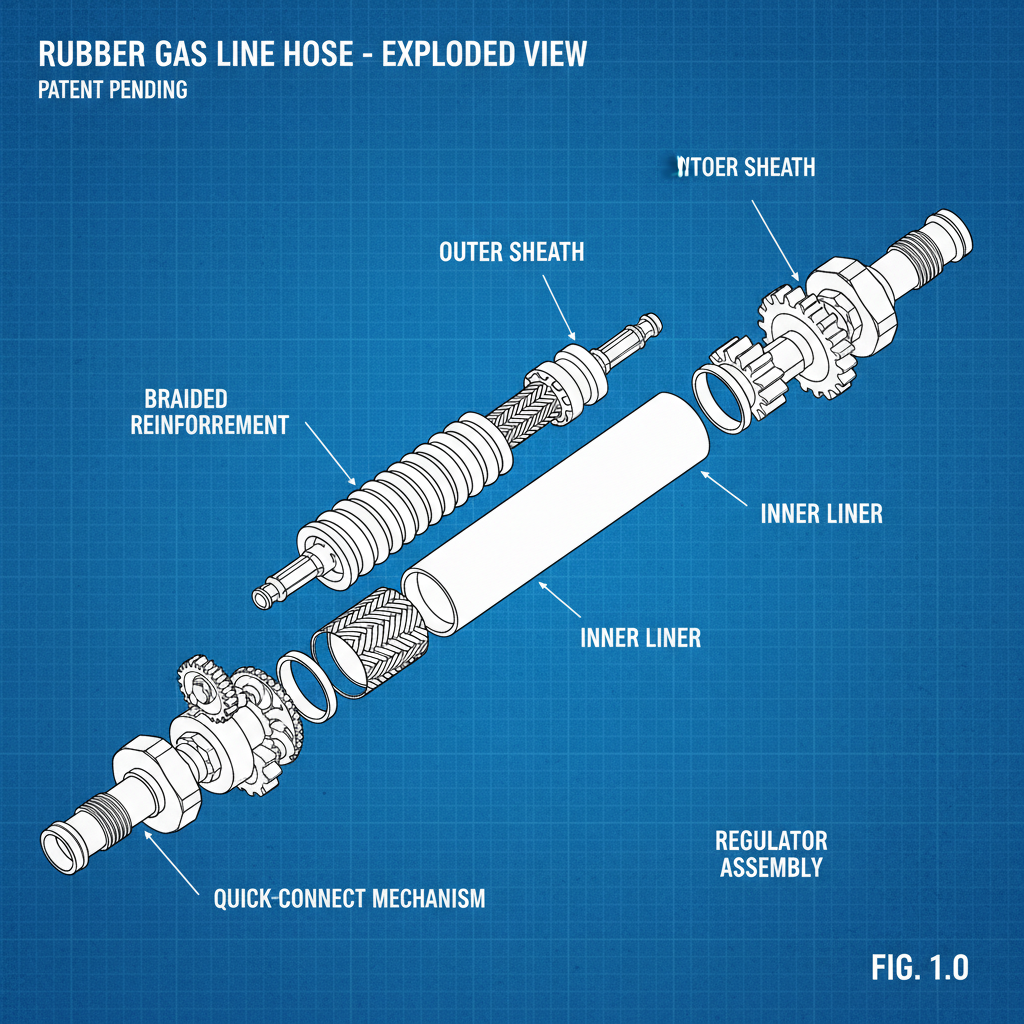
Conclusion: Investing in Quality Rubber Gas Line Hoses
Choosing the right rubber gas line hose is a critical decision that impacts safety and efficiency. By understanding the different materials, applications, and installation best practices, you can ensure optimal performance and minimize risks. At Kemohose, we are committed to providing high-quality hoses and expert advice to meet your needs. Don’t compromise on safety – choose Kemohose.
Frequently Asked Questions (FAQs)
What is the service life of a rubber gas line hose?
The service life of a rubber gas line hose depends on factors such as the fuel type, operating temperature, pressure, and exposure to environmental conditions. As a general guideline, hoses should be inspected annually and replaced every 5-7 years, or sooner if any signs of degradation are observed. Regular inspections are crucial to identify cracks, blisters, or other damage that could compromise safety. Consider the specific recommendations of the hose manufacturer and any relevant industry standards.
What fittings are compatible with rubber gas line hoses?
The correct fittings are essential for a secure and leak-proof connection. Fittings should be specifically designed for use with rubber gas line hoses and compatible with the fuel type being conveyed. Common fitting types include hose clamps, barbed fittings, and compression fittings. Ensure that the fittings are properly sized for the hose diameter and that they are tightened according to the manufacturer's specifications. Using incompatible or improperly installed fittings can create a significant safety hazard.
How can I tell if a rubber gas line hose needs to be replaced?
Several visual cues indicate that a rubber gas line hose should be replaced. These include cracks, blisters, or swelling in the hose material, as well as signs of hardening or brittleness. If the hose exhibits any cuts, abrasions, or kinking, it should be replaced immediately. Also, any leaks or fuel odor around the hose or fittings are a clear indication of a problem. Never attempt to repair a damaged hose; replacement is always the safest option.
Where can I purchase high-quality rubber gas line hoses?
You can purchase high-quality rubber gas line hoses directly from Kemohose. We offer a wide selection of hoses in various materials, sizes, and pressure ratings to meet your specific needs. Our experienced team can provide expert advice and assistance to ensure you choose the right hose for your application. We are committed to providing reliable products and exceptional customer service.
Latest news
-
Transmission Oil Cooler Pipe Maintenance and Selection Guide
NewsApr.16,2026
-
Ultimate Guide to Choosing Transmission Oil Cooler Line Hose
NewsApr.09,2026
-
Essential Guide to Transmission Oil Cooler Hose 5/16 for Vehicle Longevity
NewsApr.07,2026
-
Understanding the Critical Role of Transmission Oil Cooler Hose 1 2 for Vehicle Longevity
NewsApr.04,2026
-
Understanding Transmission Oil Coolant Lines For Optimal Vehicle Performance
NewsMar.31,2026
-
Comprehensive Guide to Oil Coolant Pipe Selection and Industrial Applications
NewsMar.28,2026