
Changing High Pressure Power Steering Hose - Step-by-Step Guide
Aug . 29, 2024 06:36 Back to list
Changing High Pressure Power Steering Hose - Step-by-Step Guide
Changing High Pressure Power Steering Hose A Step-by-Step Guide
The power steering system in your vehicle is essential for smooth and effortless driving. One of its critical components is the high-pressure power steering hose, which transports hydraulic fluid from the pump to the steering gear. Over time, this hose may wear out or develop leaks, leading to reduced steering performance and potential damage to other components. Changing a high-pressure power steering hose may seem daunting, but with the right tools and a little patience, you can tackle this task yourself. Here’s a detailed guide on how to change the high-pressure power steering hose.
Tools and Materials Needed
Before starting, gather the necessary tools and materials - New high-pressure power steering hose - Wrench or socket set - Pliers - Fluid catch pan - Power steering fluid - Safety goggles and gloves - Rags or shop towels
Step 1 Safety First
Start by ensuring your vehicle is parked on a flat surface and is powered off. Engage the parking brake for added security. It’s crucial to work in a well-ventilated area to avoid inhaling any harmful fumes.
Step 2 Access the Hose
Open the hood and locate the power steering pump, which is typically near the front of the engine, connected to the steering mechanism by the high-pressure hose. Depending on your vehicle model, you might need to remove other components (like the air intake or engine cover) to gain better access to the hose.
Step 3 Drain the Fluid
changing high pressure power steering hose
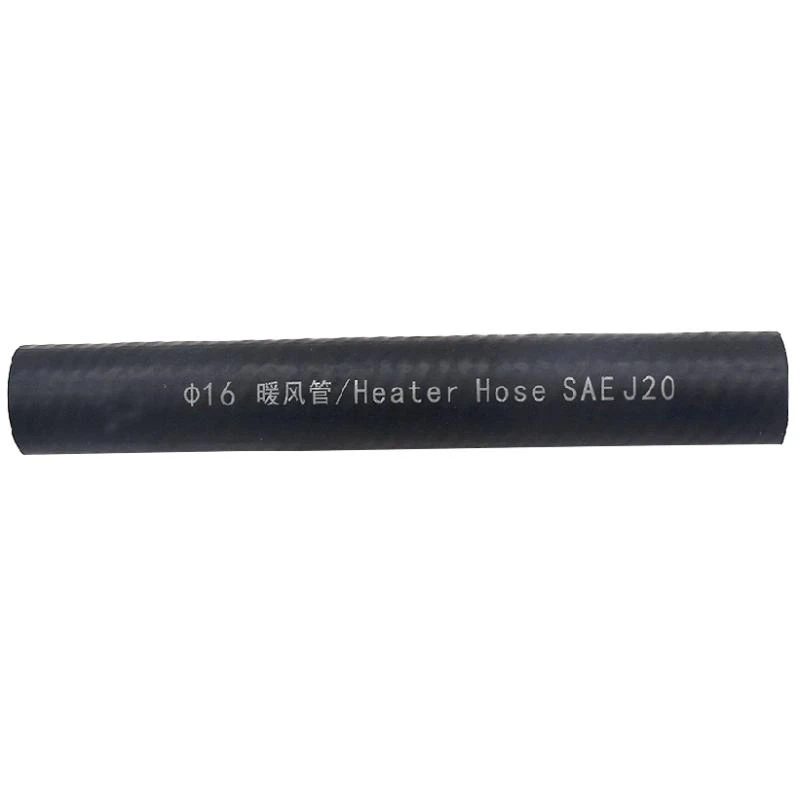
Place the fluid catch pan under the power steering pump and use the wrench to loosen the fitting on the high-pressure hose. Be prepared for some fluid to drain out. Once the fluid has drained, fully disconnect the hose from both the pump and the steering gear.
Step 4 Install the New Hose
Take the new high-pressure power steering hose and connect it to the power steering pump, ensuring it’s snug. Repeat the process for the connection at the steering gear. It’s critical to make sure these connections are tight to prevent any leaks.
Step 5 Refill Power Steering Fluid
After securing the hose connections, refill the power steering reservoir with fresh fluid. Check your vehicle’s manual for the appropriate type of fluid to use. It’s important not to overfill, so monitor the fluid level.
Step 6 Test the System
Start your vehicle and turn the steering wheel from side to side. This action helps to purge any air bubbles from the system. Monitor the connections for any signs of leaks. If everything looks good, you’re done!
Conclusion
Changing a high-pressure power steering hose is an achievable DIY task that can save you money and ensure your vehicle runs smoothly. Regular maintenance and prompt replacement of worn parts will contribute significantly to your vehicle's longevity and performance. If at any point you feel uncertain, consult a professional mechanic for guidance to ensure the job is done correctly. Happy driving!
Latest news
-
Seven-Layer Type C A/C Hose-HEBEI KEMO AUTO PARTS TECHNOLOGY CO., LTD
NewsSep.02,2025
-
Seven-Layer Type C A/C Hose-HEBEI KEMO AUTO PARTS TECHNOLOGY CO., LTD|Low Permeability,Pulse-Resistance
NewsSep.02,2025
-
Seven-Layer A/C Hose-Hebei Kemo|Low Permeability & Aging Resistance
NewsSep.01,2025
-
Seven-Layer Type C A/C Hose - HEBEI KEMO AUTO PARTS TECHNOLOGY CO., LTD | Durability, Efficiency
NewsSep.01,2025
-
7-Layer Type C Automotive Air Conditioning Hose - KEMO
NewsSep.01,2025
-
Seven-Layer Type C A/C Hose-HEBEI KEMO AUTO PARTS TECHNOLOGY CO., LTD
NewsSep.01,2025